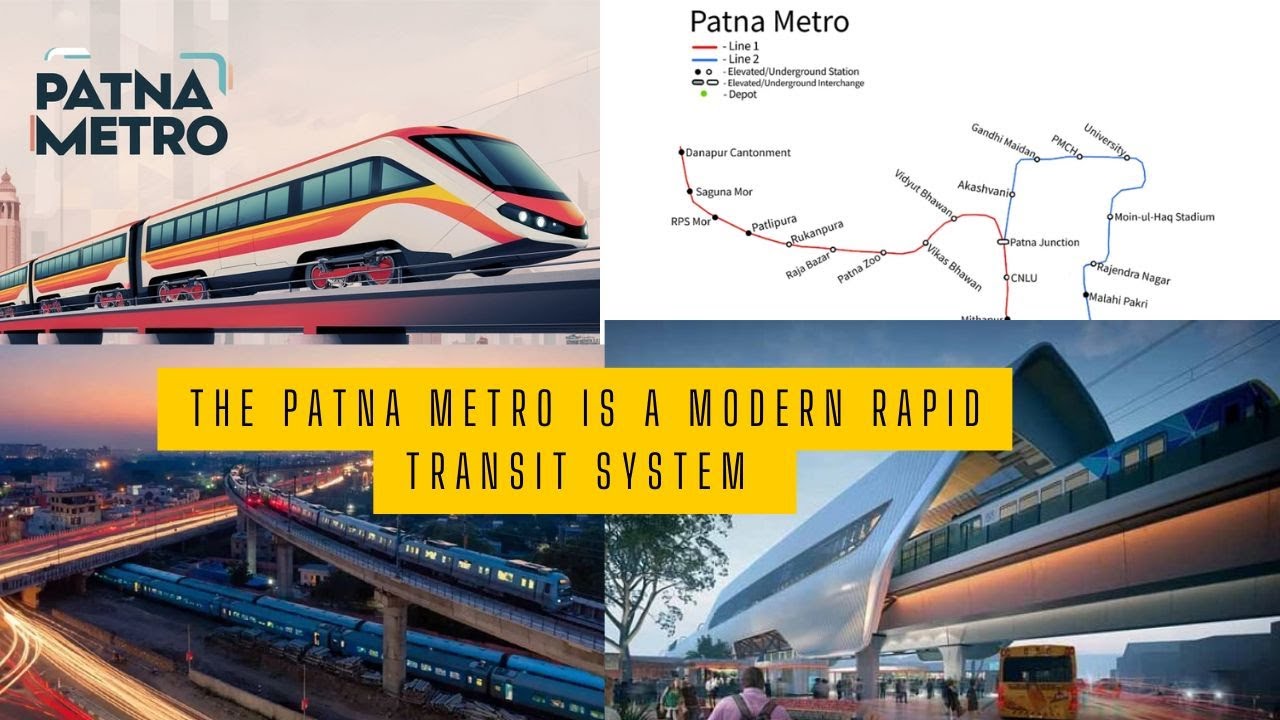
The Patna Metro is a modern rapid transit
Автор: BJ MIRROR REFLECT
Загружено: 2025-08-05
Просмотров: 8
Описание:
Patna Metro Project – A Comprehensive Report
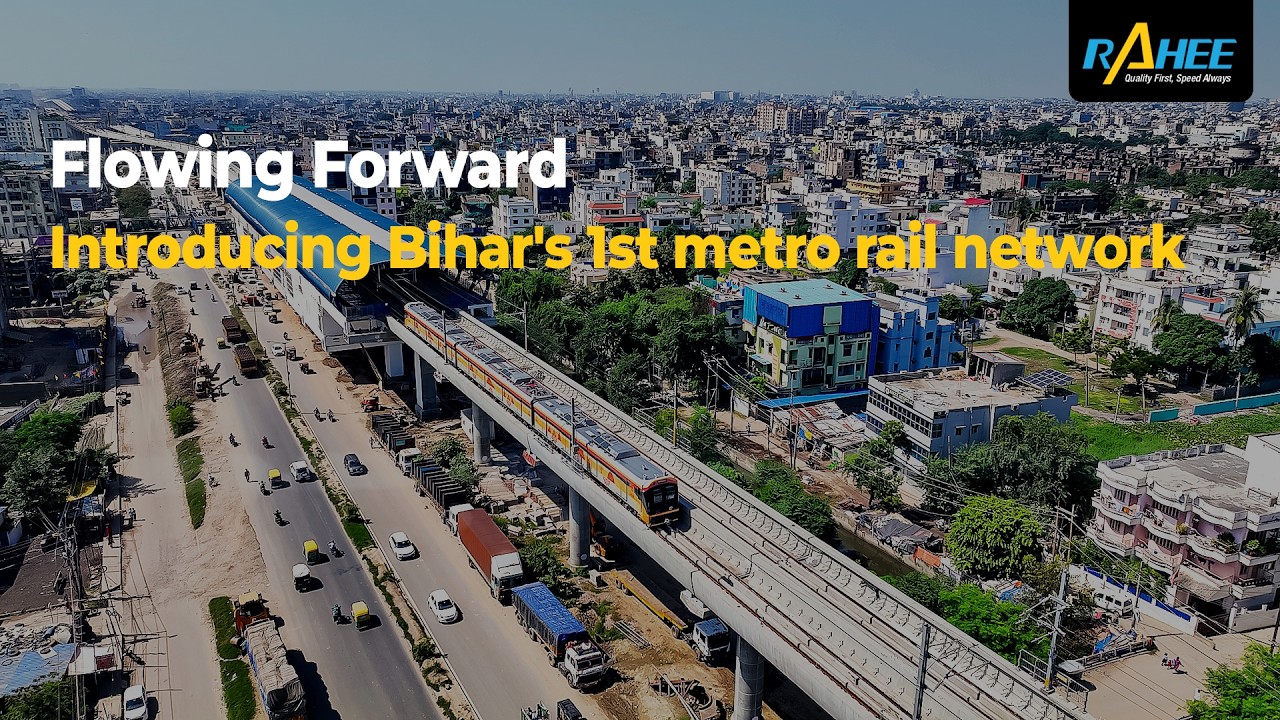
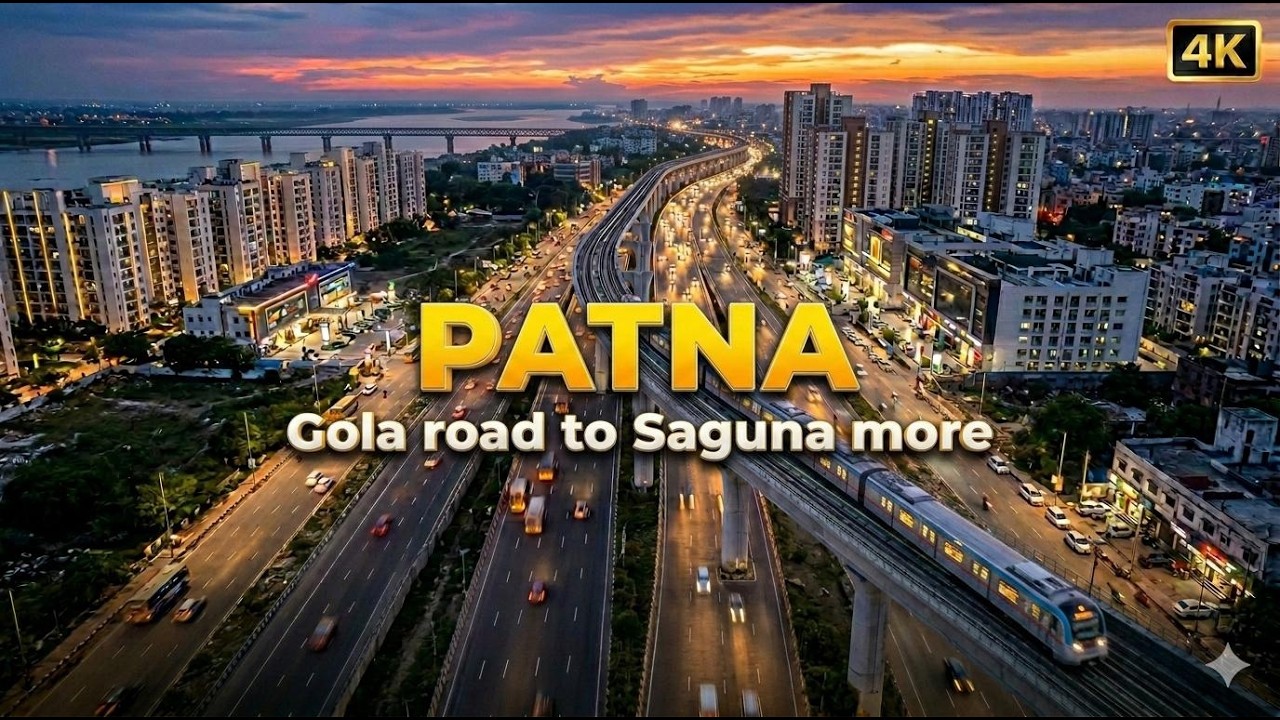
The Patna Metro is a modern rapid transit system being constructed to meet the growing transportation needs of Patna, the capital city of Bihar. As one of the fastest-growing cities in eastern India, Patna has long faced problems like traffic congestion, poor connectivity, and overburdened roads. The Patna Metro aims to solve these issues by offering a safe, efficient, and eco-friendly mode of transportation.
Project Overview
The Patna Metro project is being developed by the Patna Metro Rail Corporation Limited (PMRCL) under the guidance of the Delhi Metro Rail Corporation (DMRC). The foundation stone for the metro was laid by Prime Minister Narendra Modi on February 17, 2019. The total length of Phase 1 is approximately 31 kilometers, divided into two corridors—one running east-west and the other north-south. These corridors are designed to connect the city’s key areas, including railway stations, bus terminals, residential zones, and commercial centers.
Corridors and Route Details
Corridor I (Red Line) will stretch from Danapur Cantonment to Khemnichak, covering around 17.8 km with 14 stations. It includes both elevated and underground sections and will serve locations such as Raza Bazar, Secretariat, and Mithapur.
Corridor II (Blue Line) connects Patna Junction to New ISBT, with a length of 14.5 km. This route includes 12 stations, and it is considered the “priority corridor,” with trial runs and commercial operations expected to begin on August 15, 2025.
Construction Progress
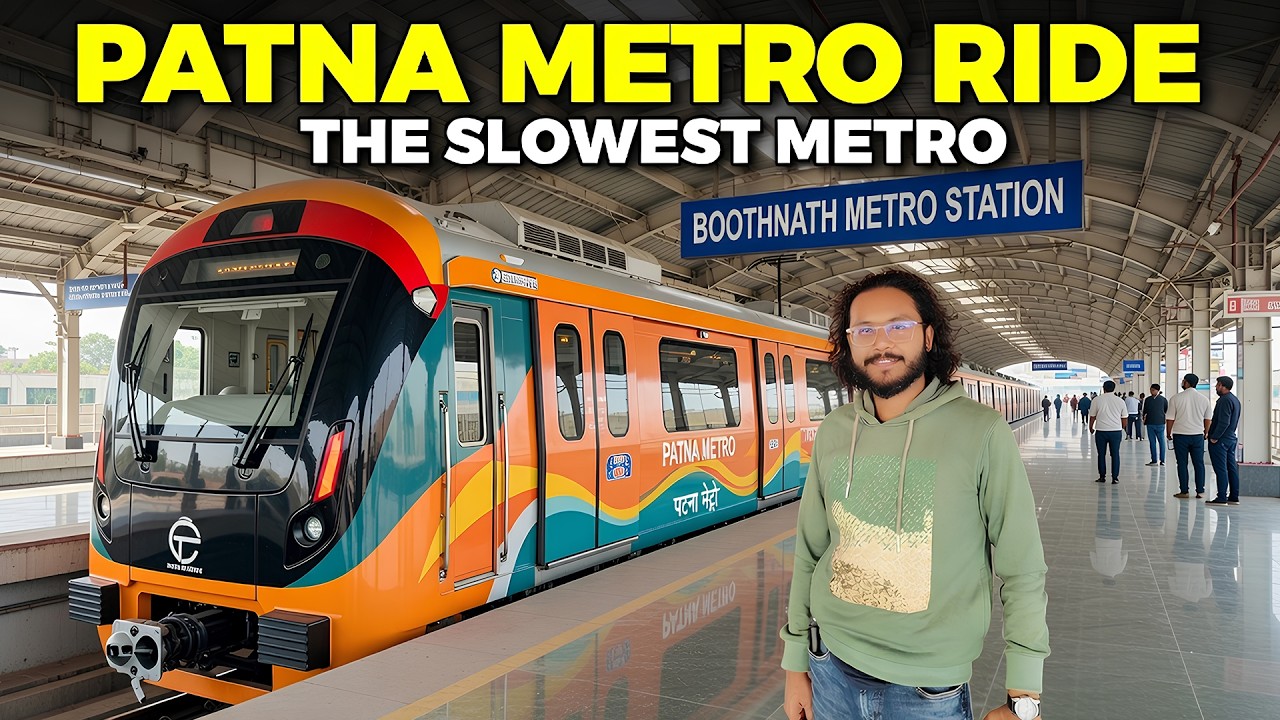
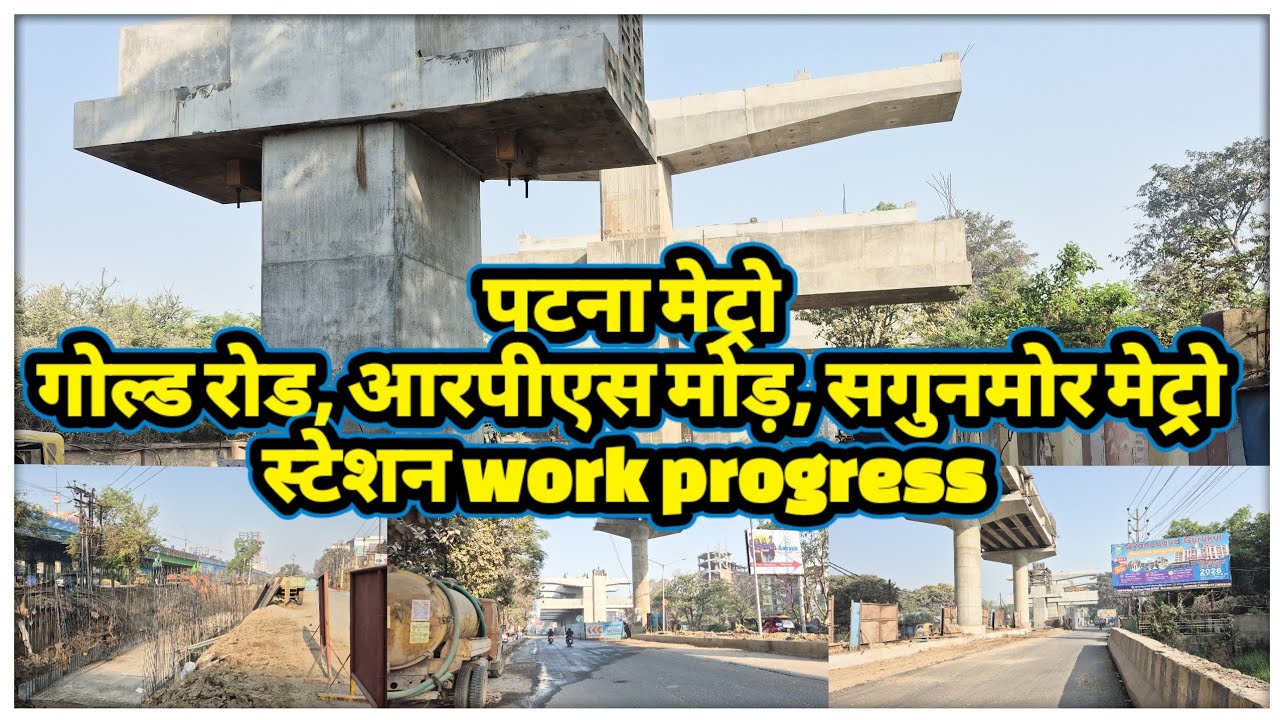
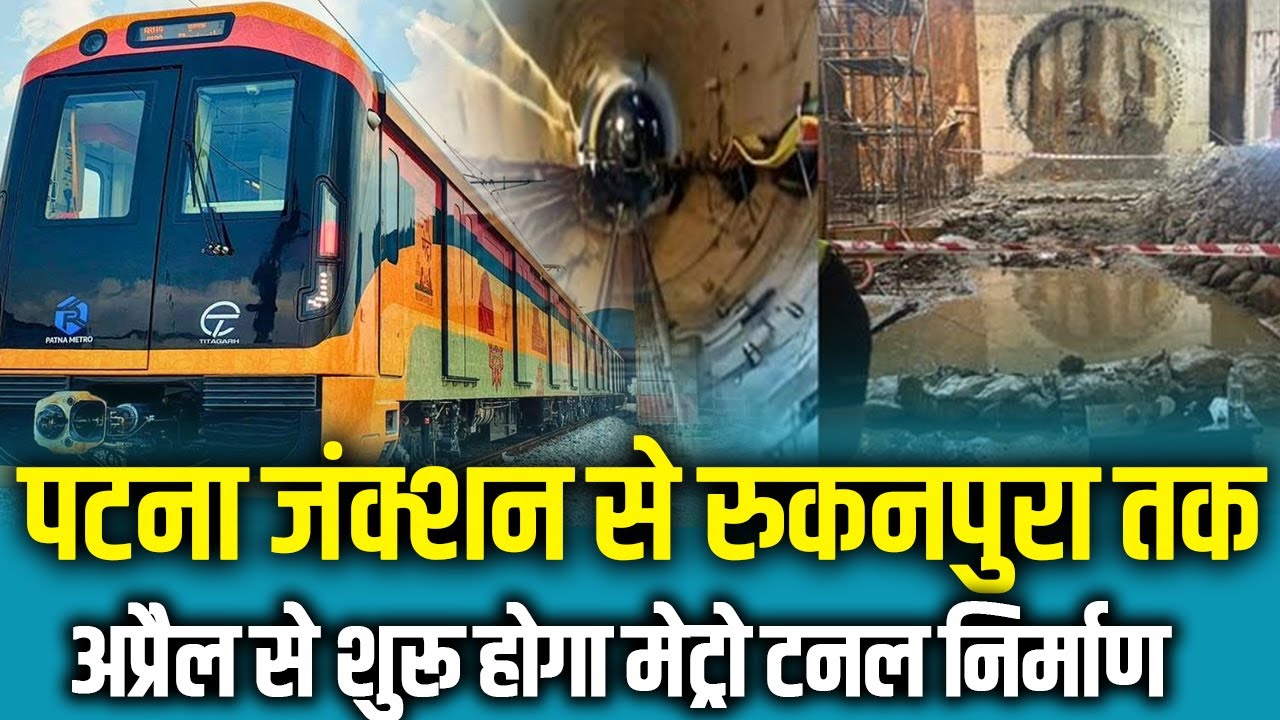
Construction work began in late 2020. As of mid-2025, most of the civil work for the priority corridor is nearly complete. Elevated pillars, viaducts, and station structures are in their final stages. Underground tunnel boring has also been completed in key stretches. The first operational section will include stations like Malahi Pakri, Zero Mile, Bhootnath, and New ISBT. However, Khemnichak Station is delayed due to land acquisition issues.
Features and Facilities
The Patna Metro will use modern trains equipped with air-conditioning, automatic doors, CCTV surveillance, and passenger information systems. The trains will operate on standard gauge tracks with 25kV overhead electrification. Signaling will be controlled by advanced CBTC (Communication-Based Train Control) technology to ensure safety and efficiency.
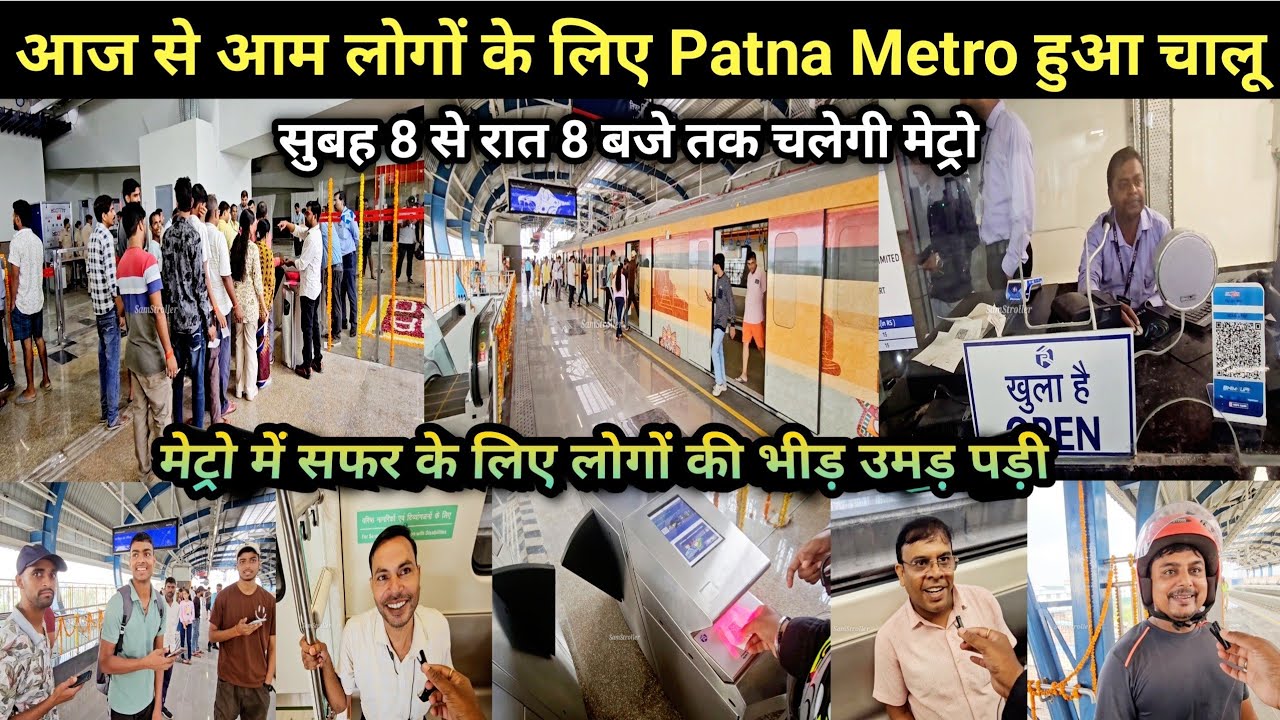
Fares are expected to start at ₹10, with prices increasing depending on distance traveled. Operations will likely run between 6:00 AM and 10:00 PM daily.
Benefits and Impact
Once operational, the Patna Metro will significantly reduce road traffic, cut down travel time, and offer a cleaner alternative to conventional vehicles. It is projected to serve over 2 lakh (200,000) passengers daily. In the long term, the metro is expected to boost the local economy, reduce air pollution, and improve the quality of life for city residents.
Conclusion
The Patna Metro is a much-needed infrastructure project that promises to transform urban mobility in Bihar’s capital. While challenges like land acquisition and urban congestion exist, the project is steadily progressing and is on track to launch its first section in 2025. As one of India's upcoming metro systems, it holds great potential to shape a modern and connected Patna.
Повторяем попытку...
Доступные форматы для скачивания:
Скачать видео
-
Информация по загрузке: