I NOSTRI AMICI CANI
Автор: Luigi Strano
Загружено: 2009-08-11
Просмотров: 1357
Описание:
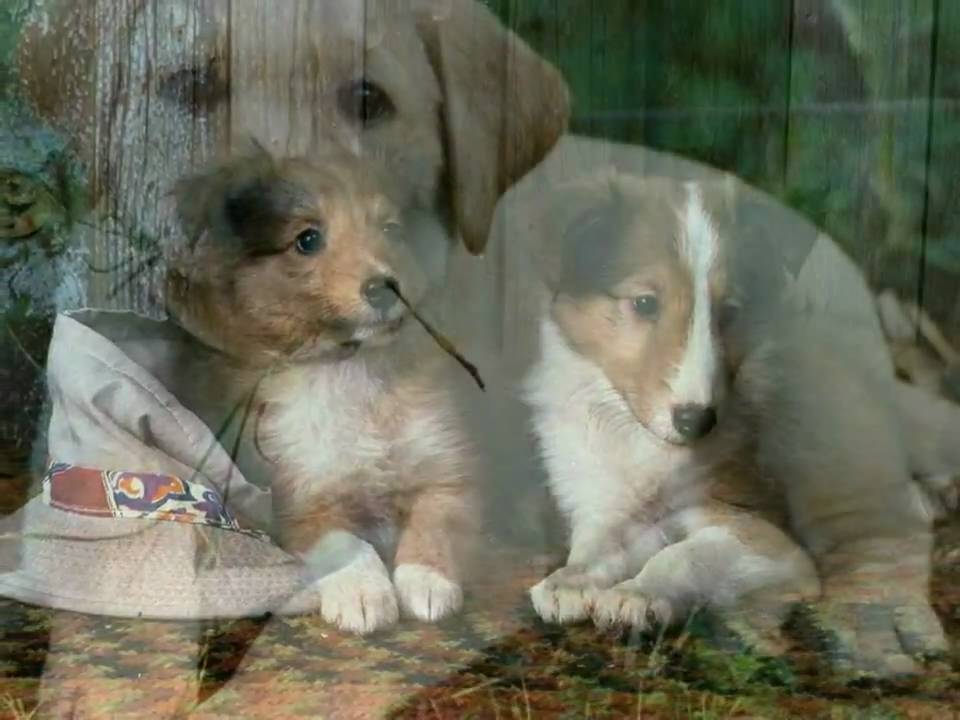
Il cane (Canis lupus familiaris) è un mammifero onnivoro. Con la domesticazione si è distinto dal suo predecessore carnivoro, il lupo, e rispetto al quale ha canini meno aguzzi, intestino più lungo, ed è privo di artigli affilati. Il cane è estremamente variabile nelle sue caratteristiche biologiche, per la selezione operata dalla natura (dalle zone di provenienza) e soprattutto dall'uomo (suo compagno di vita fin da ere preistoriche). Il peso può variare da 700 g ai 90 kg. Ha un ciclo mestruale ripetuto due volte l'anno (al contrario dei lupi che hanno 1 solo periodo d'estro) e questa caratteristica è dovuta in parte all'uomo per facilitare l'allevamento e la selezione.Il periodo di gestazione per tutte le razze è di circa 9 settimane. Vengono alla luce da 2 a 10 piccoli, a seconda della taglia dell'animale. Notevoli sono i cambiamenti apportati nel corso dei secoli dalla selezione operata dall'uomo, sia come caratteristiche fisiche (colore, peso, qualità sensoriali), che come caratteristiche sociali. Notevole importanza è stata posta nel comportamento, ad oggi tutte le razze hanno una spiccata predisposizione al comportamento giocoso e socievole, che in natura (riferendosi al suo progenitore lupo) scomparirebbero con il sopravvenire dell'età adulta.
The dog is a domesticated subspecies of the Gray Wolf, a member of the Canidae family of the order Carnivora. The term is used for both feral and pet varieties. The domestic dog has been one of the most widely kept working and companion animals in human history. Amongst canine enthusiasts, the word "dog" may also mean the male of a canine species, as opposed to the word "bitch" (the female of the species).The dog quickly became ubiquitous across culture in all parts of the world, and was extremely valuable to early human settlements. For instance, it is believed that the successful emigration across the Bering Strait might not have been possible without sled dogs.Dogs perform many roles for people, such as hunting, herding, protection, and, more recently, assisting handicapped individuals. Currently, there are estimated to be 400 million dogs in the world.
Over the 15,000 year span that the dog had been domesticated, it diverged into only a handful of landraces, groups of similar animals whose morphology and behavior have been shaped by environmental factors and functional roles. As the modern understanding of genetics developed, humans began to intentionally breed dogs for a wide range of specific traits. Through this process, the dog has developed into hundreds of varied breeds, and shows more behavioral and morphological variation than any other land mammal.For example, height measured to the withers ranges from a few inches in the Chihuahua to a few feet in the Irish Wolfhound; color varies from white through grays (usually called "blue'") to black, and browns from light (tan) to dark ("red" or "chocolate") in a wide variation of patterns; coats can be short or long, coarse-haired to wool-like, straight, curly, or smooth.It is common for most breeds to shed this coat, but non-shedding breeds are also popular.
Повторяем попытку...
Доступные форматы для скачивания:
Скачать видео
-
Информация по загрузке: