VOYAGER Mission: Jupiter-Saturn-Uranus-Neptune (set to Bach)
Автор: nemonequam
Загружено: 2007-05-22
Просмотров: 173608
Описание:
A Planetary Voyage in F Minor.
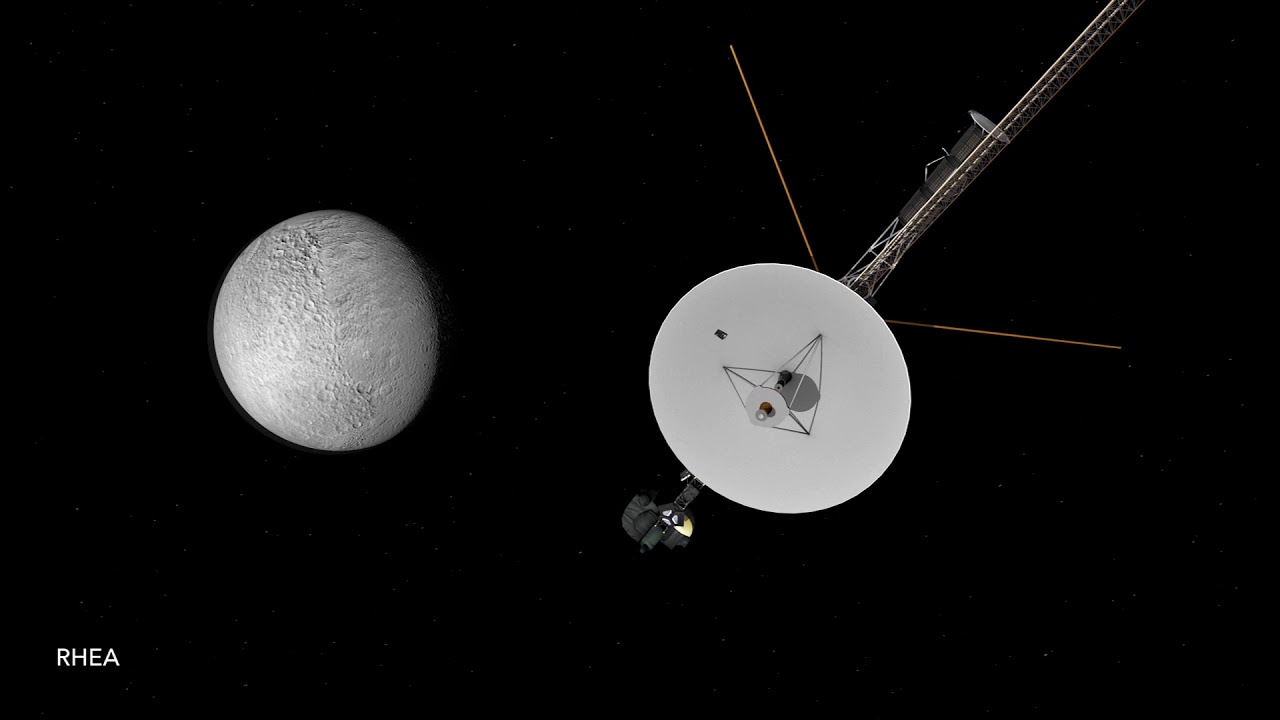
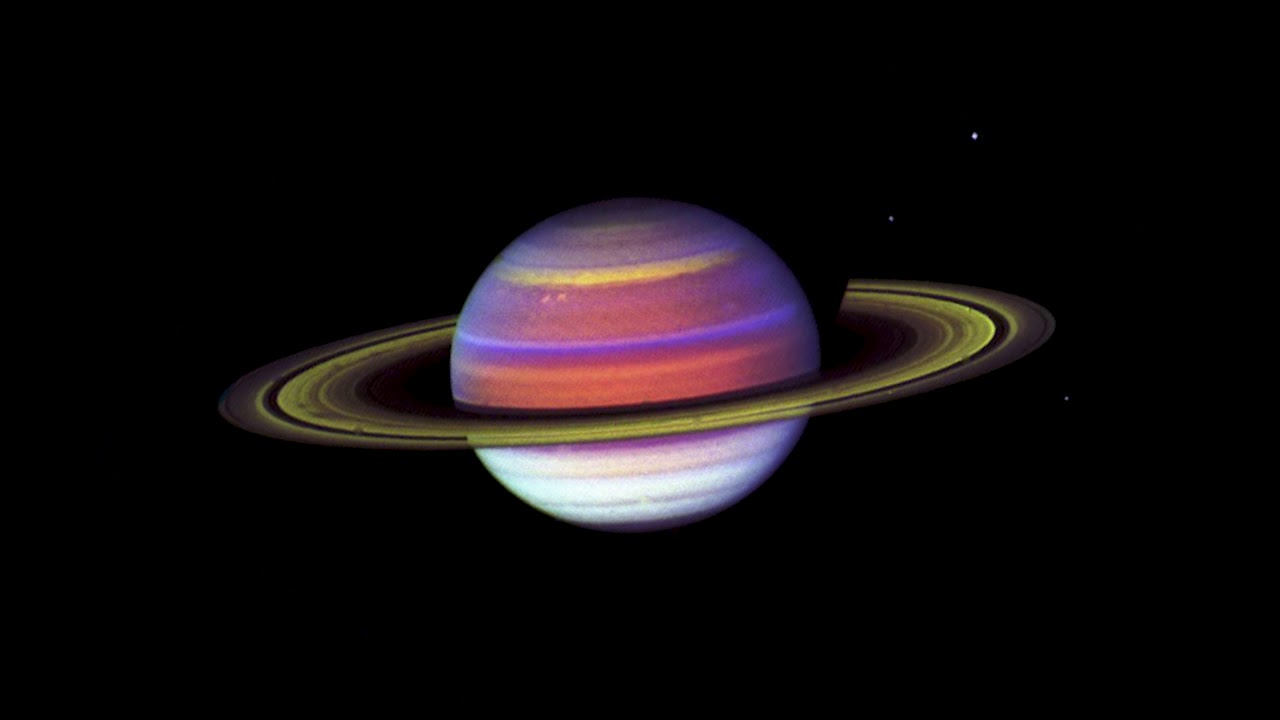
Visual summary of the NASA-JPL Voyager Mission to the Outer Planets - Jupiter, Saturn, Uranus, Neptune - and their Satellites (Io, Europa, Ganymede, Callisto, Mimas, Titan, Miranda, Triton, etc), launched in 1977; intimately accompanied by the Chorale Prelude in F Minor, Ich Ruf Zu Dir, Herr Jesu Christ (To Thee I Cry, Lord Jesus Christ), BWV 639, from the Orgelbüchlein (Little Organ Book), of J. S. Bach (arranged for piano by Busoni).
The Voyager program consists of a pair of unmanned scientific probes, Voyager 1 and Voyager 2. They were launched in 1977 to take advantage of a favorable planetary alignment of the late 1970s. Although they were officially designated to study just Jupiter and Saturn, the two probes were able to continue their mission into the outer solar system. They have since continued out and exited the solar system. These probes were built at JPL (Jet Propulsion Lab) and were funded by NASA (National Aeronautics and Space Administration).
Both missions have gathered large amounts of data about the gas giants of the solar system, of which little information was known.
The Voyager probes were originally conceived as part of the Mariner program, and designated Mariner 11 and Mariner 12, respectively. They were then moved into a separate program named Mariner Jupiter-Saturn, later retitled Voyager because it was more appealing and romantic. Voyager is a scaled-back version of the Grand Tour program of the late 1960s and early 1970s. The Grand Tour's plan was to send a pair of probes to fly by all the outer planets; it was scaled back because of budget cuts. However, in the end, Voyager fulfilled all the Grand Tour flyby objectives except for Pluto, which at the time was considered a planet by the IAU.
Voyager 1 is thought to have penetrated the termination shock in late 2004
In the 1990s, Voyager 1 overtook the slower travelling Pioneer 10 to become the most distant human made artifact in space. It will keep that record for at least several decades; even the fast (at launch) New Horizons probe will not catch up with it since its final speed will be less than Voyager 1's. Voyager 1 and Pioneer 10 are also the most widely-separated man made objects in the Universe because they are travelling in roughly opposite directions from the sun.
Periodic contact has been maintained with both probes to monitor conditions in the outer expanses of the solar system. The crafts' radioactive power sources are still producing electrical energy, fuelling hopes of locating the solar system's heliopause. In late 2003, Voyager 1 began sending data that seemed to indicate it had crossed the termination shock, but interpretations of this data are in dispute. It is now believed that the termination shock was crossed in December 2004, with the heliopause an unknown distance ahead.
from the Wikipedia entry.
You can read more here kids:
http://en.wikipedia.org/wiki/Voyager_...
http://voyager.jpl.nasa.gov
Повторяем попытку...

Доступные форматы для скачивания:
Скачать видео
-
Информация по загрузке: