Milgram Experiment in 2 minutes
Автор: Ever Wondered
Загружено: 2019-02-24
Просмотров: 4138
Описание:
References:
Cherry, K. (2018). Why Was the Milgram Experiment so Controversial?. Retrieved from https://www.verywellmind.com/the-milg...
Doliński, D., Grzyb, T., Folwarczny, M., Grzybała, P., Krzyszycha, K., Martynowska, K., & Trojanowski, J. (2017). Would You Deliver an Electric Shock in 2015? Obedience in the Experimental Paradigm Developed by Stanley Milgram in the 50 Years Following the Original Studies. Social Psychological And Personality Science, 8(8), 927-933. doi: 10.1177/1948550617693060
Milgram, S. (1963). Behavioral Study of obedience. The Journal Of Abnormal And Social Psychology, 67(4), 371-378. doi: 10.1037/h0040525
Transcript:
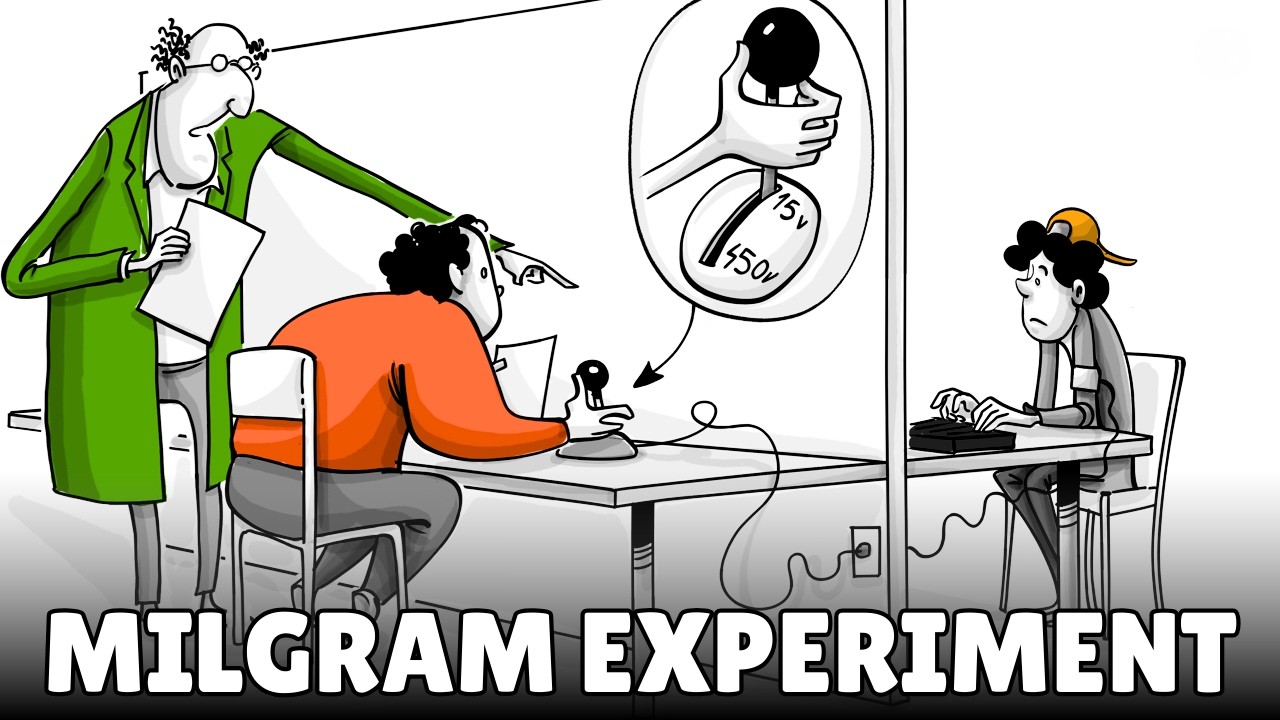
Obedience is a behavior in which a person complies with a direct command from someone else, usually someone in a position of authority . And obedience is a basic element in the structure of social life. Education, acts of kindness and charity are possible because of obedience. But if an authority ordered you to hurt someone, would you do it? Could the person sitting next to you do it?
That is the question that Stanley Milgram aimed to answer in one of the most famous experiments in psychology. In the Milgram experiment the participants were “teachers” and they had to deliver an electric shock to a “learner” when an incorrect answer was given. If the “teacher” or participant hesitated to shock the learner, he was asked to “Please continue” by an experimenter who was present in the room and in this case represented the authority.
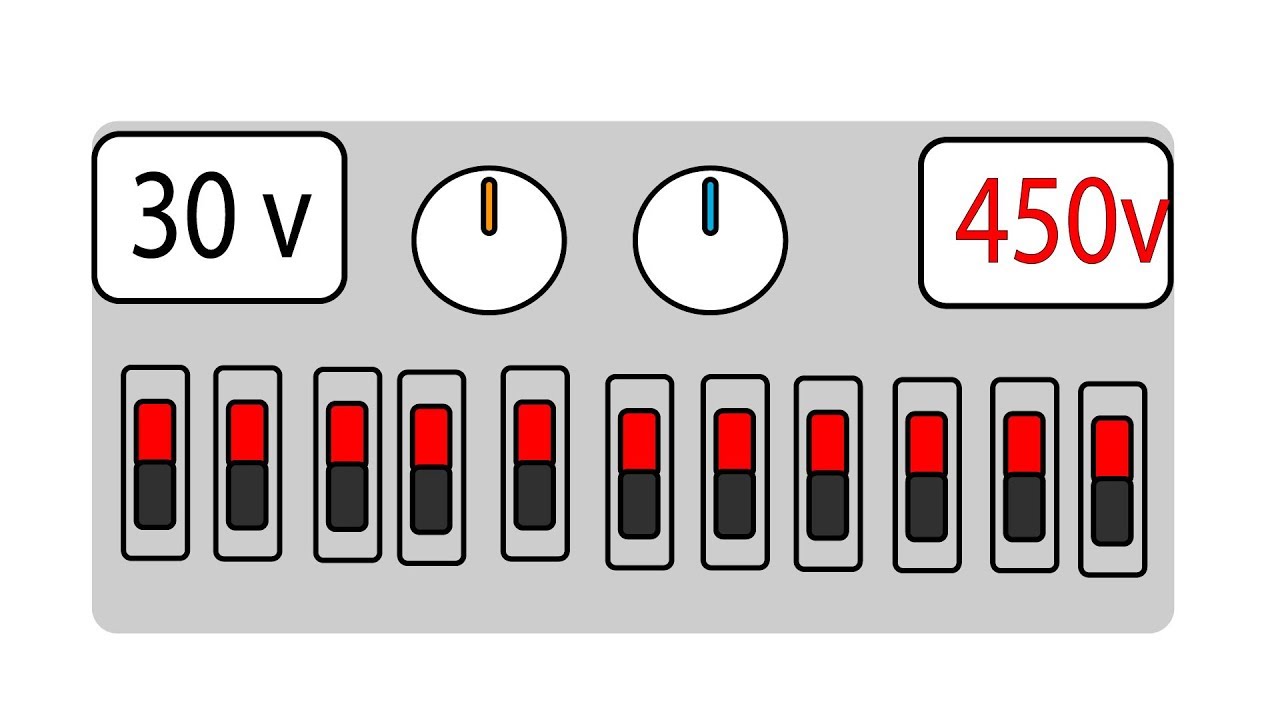
It is important to know that the “learner” was a confederate in the experiment, who was simply pretending to be shocked. In the Milgram experiment the participant shocked the “learner” using a shock generator with 40 switches. The switches started with a sign that read “30 volts” and each switch incremented the shock by 15-volts until the last one, which it’s sign read 450 volts.
But did many participants actually shocked the learner? Well, all 40 participants shocked the learner with 300 volts and 65% of the participants delivered the maximum 450 volts shock. And just so you know the Milgram experiment was published in 1963, but in 2009 and in 2015 replications of the experiment were published with similar results.
It is worth noting that the Milgram experiment resulted in a revision of the ethics of psychological experiments, mainly because participants experienced a great deal of psychological and emotional distress. And even though the results of the Milgram experiment have been questioned by several researchers, the results of this experiment are thought to show that many people will obey the authority even if it asks them to hurt someone else
Повторяем попытку...
Доступные форматы для скачивания:
Скачать видео
-
Информация по загрузке: