MORAL LICENSING: WHY ONE GOOD DEED MAKES YOU WORSE
Автор: The 5 Minute Signal Network
Загружено: 2026-02-06
Просмотров: 1
Описание:
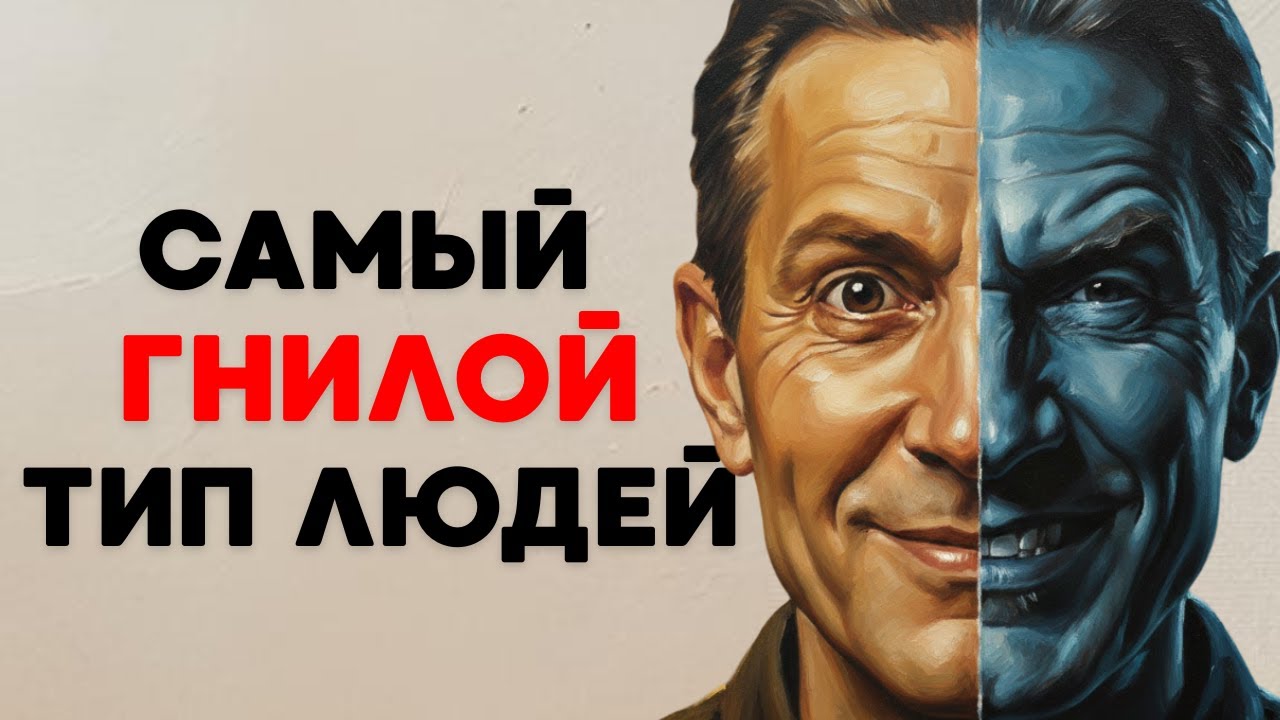
A collaborative study between Stanford’s Center for Advanced Study in Behavioral Sciences and Notre Dame’s Center for Ethics and Culture tracked 950 participants engaging in “moral licensing”—the psychological phenomenon where performing one virtuous act unconsciously grants permission to behave unethically afterward. The results are brutal: 89% of participants who performed a single “good” action—donation, volunteer hour, recycling, public statement supporting a cause—subsequently engaged in measurably more selfish, unethical, or harmful behavior within 48 hours compared to control groups who performed no virtue. The mechanism: your brain keeps a moral balance sheet. When you deposit one good deed, your unconscious mind withdraws permission to be selfish elsewhere. You recycle, so you feel justified flying private. You donate to charity, so you treat service workers like garbage. You post about justice, so you exploit your employees. The study found that moral licensing is strongest among people who publicly signal virtue—the more you broadcast goodness, the more your brain grants you license to be terrible in private. Notre Dame’s philosophers confirmed this aligns with ancient warnings about pride: public virtue inflates ego, which rationalizes private vice. Stanford’s neuroscience showed that performing virtue activates reward circuits that create a “moral credit” feeling, which the brain then “spends” on selfish behavior. In this episode, Rhys Kael breaks down what moral licensing is, why your brain treats virtue like a bank account that can be withdrawn from, how one good deed becomes permission to be worse, and provides three tactical protocols to prevent moral licensing from sabotaging your character. If you think donating money or posting support makes you a good person, you’re not just wrong—you’re giving yourself unconscious permission to be worse. Most people think one good deed is a foundation. Neuroscience says it’s a permission slip to be terrible.
Sources:
Stanford Center for Advanced Study in Behavioral Sciences (Moral Licensing and Behavioral Compensation Studies)
University of Notre Dame Center for Ethics and Culture (Virtue Ethics and Self-Deception Research
Journal Of Personality and Social Psychology (Moral Self Licensing Effects)
Повторяем попытку...
Доступные форматы для скачивания:
Скачать видео
-
Информация по загрузке: