CLASSICAL CONDITIONING IN EDUCATIONAL PSYCHOLOGY
Автор: 5 Minute Psychology
Загружено: 2021-02-06
Просмотров: 2608
Описание:
How to learn more effectively using psychology
by Sebastian Antonowicz
Today’s episode:
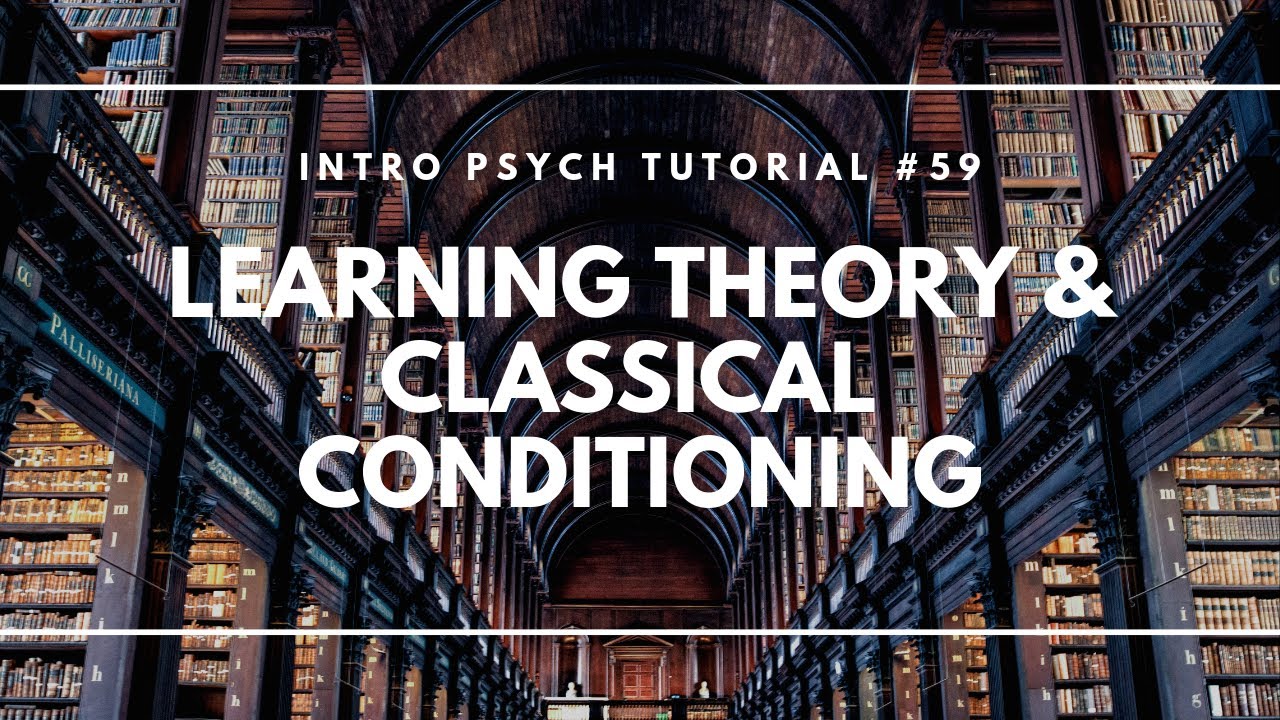
CLASSICAL CONDITIONING
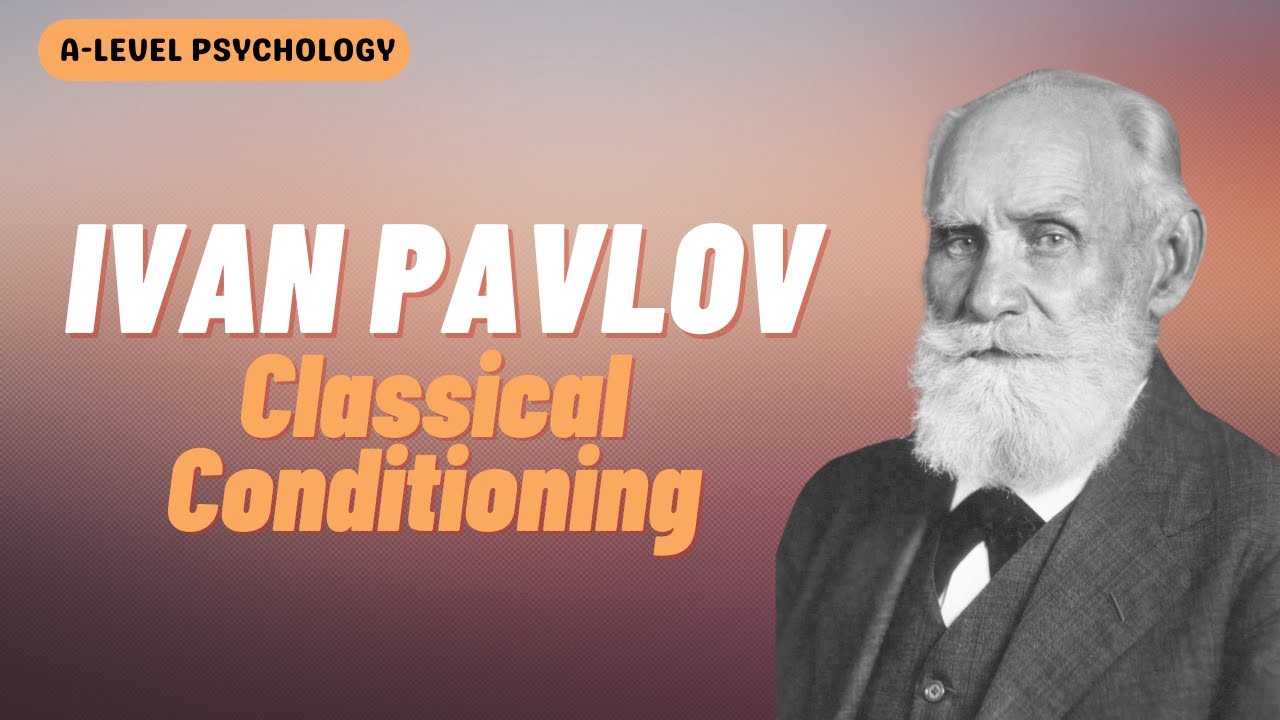
Classical conditioning was described by Ivan Pavlov at the opened of the 19th century.
Ever since it has been used by psychologists and educators all over the world.
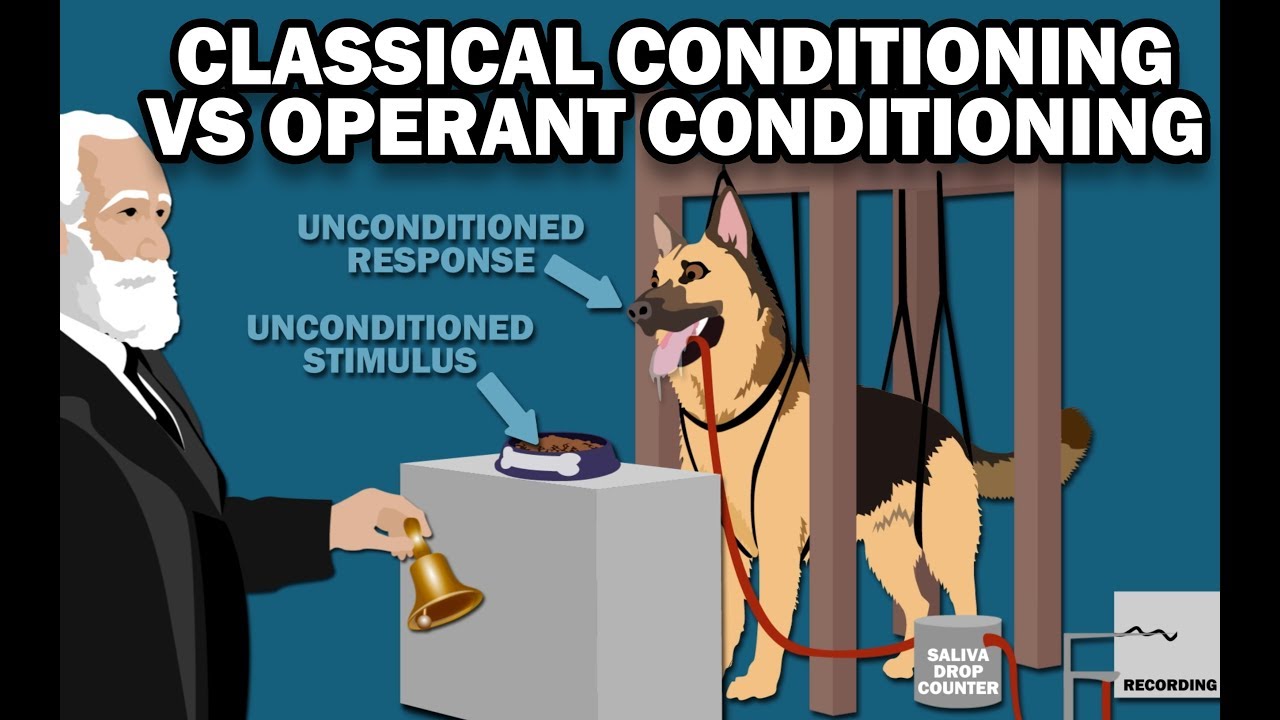
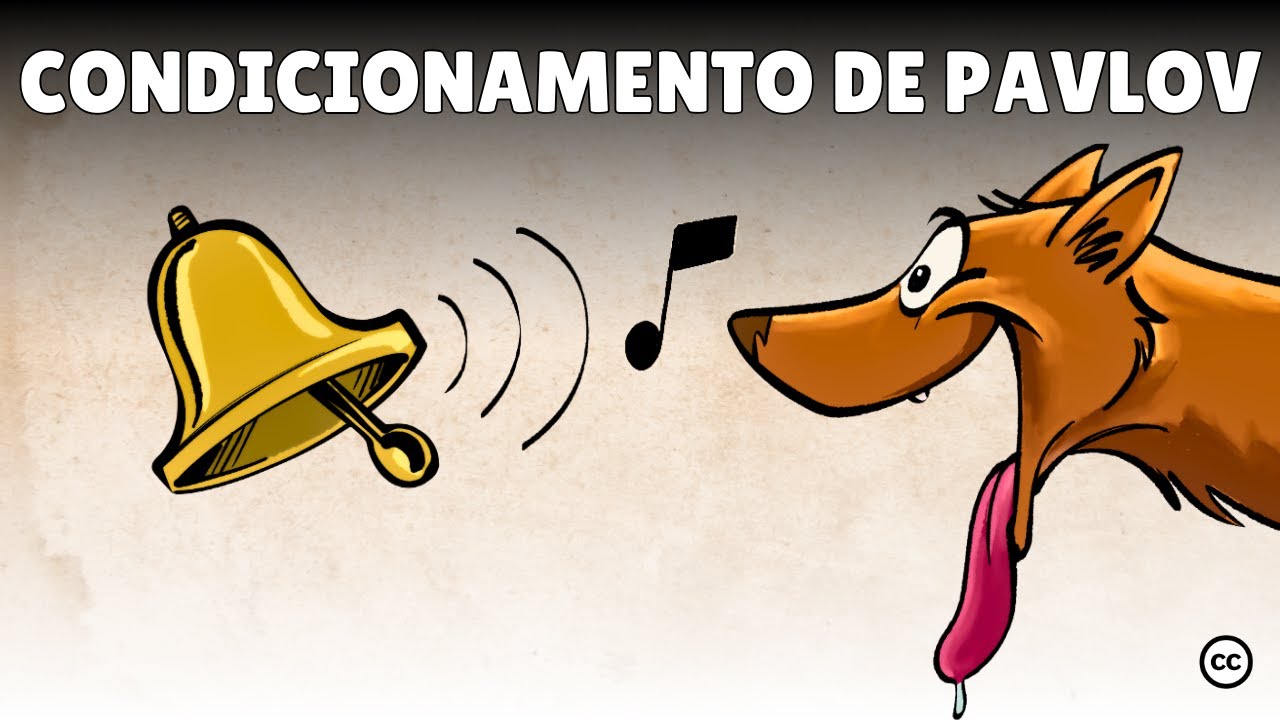
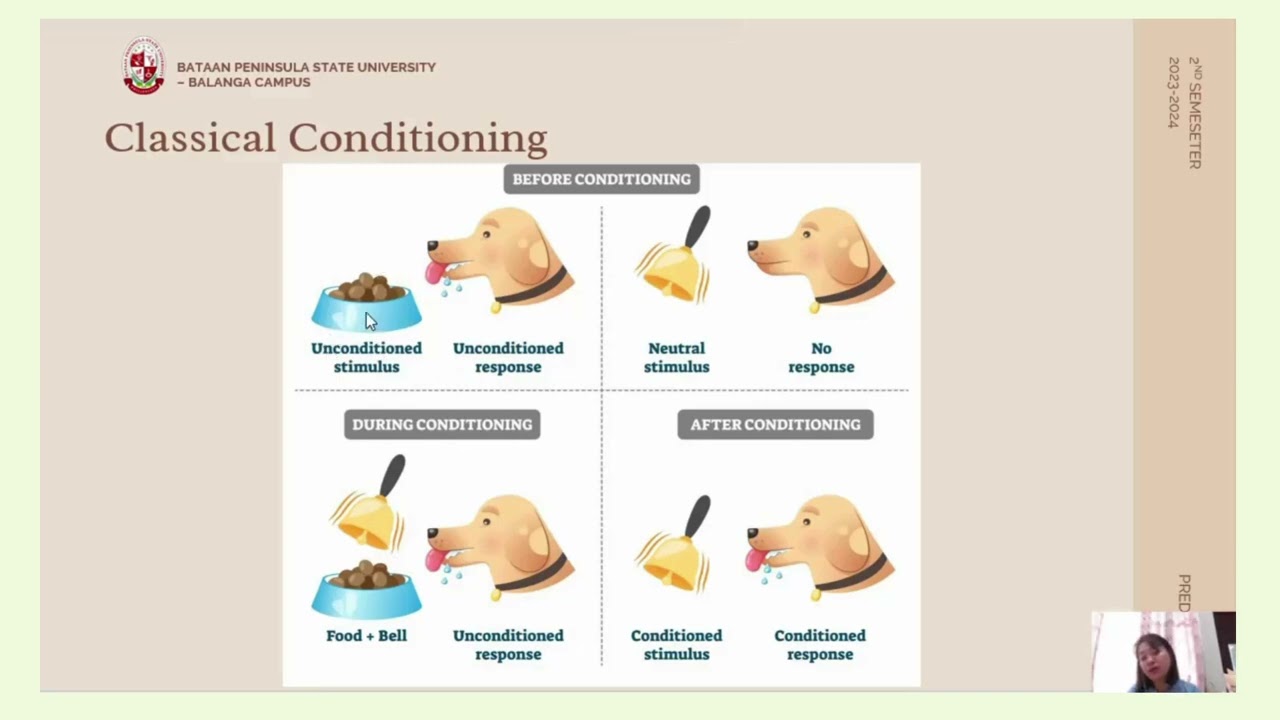
Pavlov’s experiments on dogs showed that unconditioned stimuli (like food) provokes unconditioned response (salivating). Pavlov’s dog salivated after seeing food.
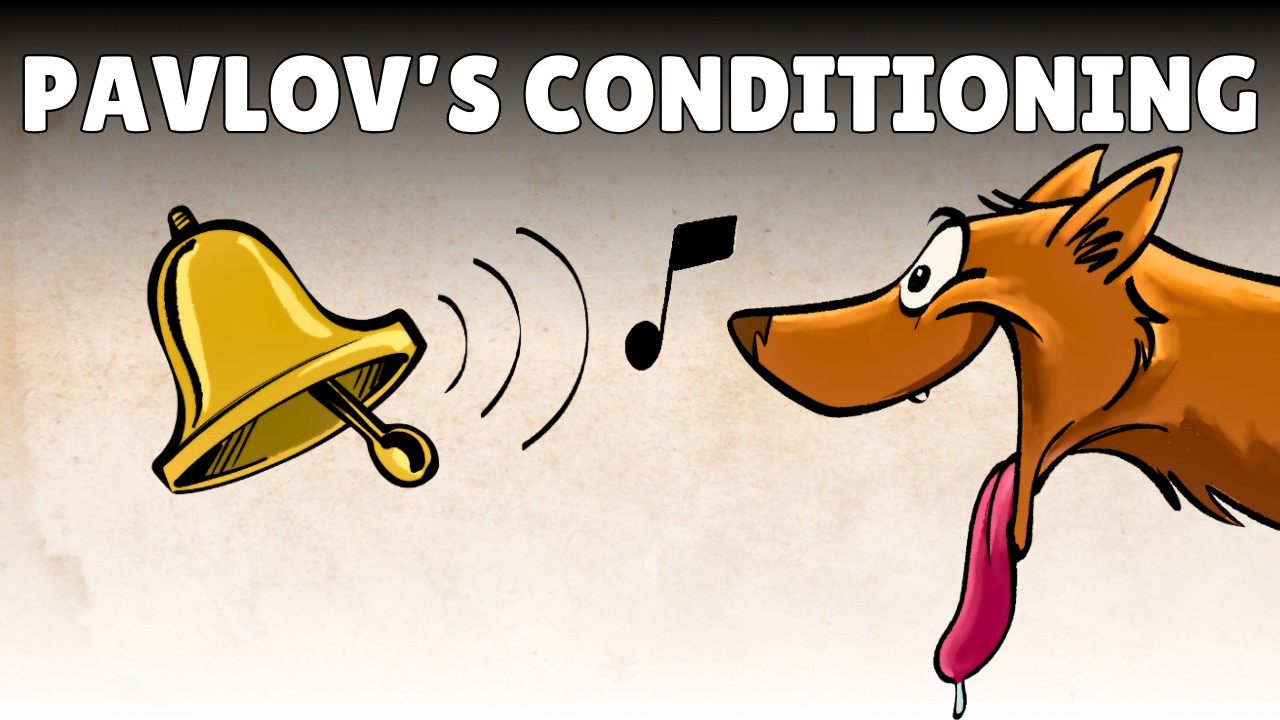
If we add one neutral stimuli to it e.g. a bell, after time it will be treated as meaningful - conditioned stimuli and will cause a conditioned reaction. In other words, the dog will drool even when it hears the bell and sees no food.
The same analogy can be used in learning.
Seemingly stressful situation, like giving a presentation to a large audience can perceived as neutral or positive. If we connect the act of giving presentation with something pleasant, after many repetitions the stress level will lower.
It can even make us love presenting as then we will associate presentation with pleasant environment.
If you want to learn a more advance theory of operant conditioning, have a look here
OPERANT CONDITIONING IN EDUCATIONAL PSYCHOLOGY:
• OPERANT CONDITIONING IN EDUCATIONAL PSYCHO...
To learn about B.F Skinner's ideas about psychology, watch
B.F. SKINNER'S BOOKS ON PSYCHOLOGY:
• B.F. SKINNER'S BOOKS ON PSYCHOLOGY
Another interesting psychological concept is DUNNING-KRUGER EFFECT - HOW TO RECOGNISE IT:
• DUNNING-KRUGER EFFECT - HOW TO RECOGNISE IT
Повторяем попытку...
Доступные форматы для скачивания:
Скачать видео
-
Информация по загрузке: