Building EU Common Security and Defence Policy for the European Union
Автор: EU Debates | eudebates.tv
Загружено: 2022-03-21
Просмотров: 559
Описание:
We are not a military union. We are not a military alliance. But we want to play a role to provide European citizens with more security in a challenging and dangerous world. We are not living in the world we would like to live in. We live in the world the way it is. This world is dangerous. This world is challenging. Our neighborhood is in flames. From Gibraltar to Ukraine, we are surrounded by a circle of challenges and dangerous situations, and we have to face them.
#eudebates #EUarmy #Defence #MilitaryUnion
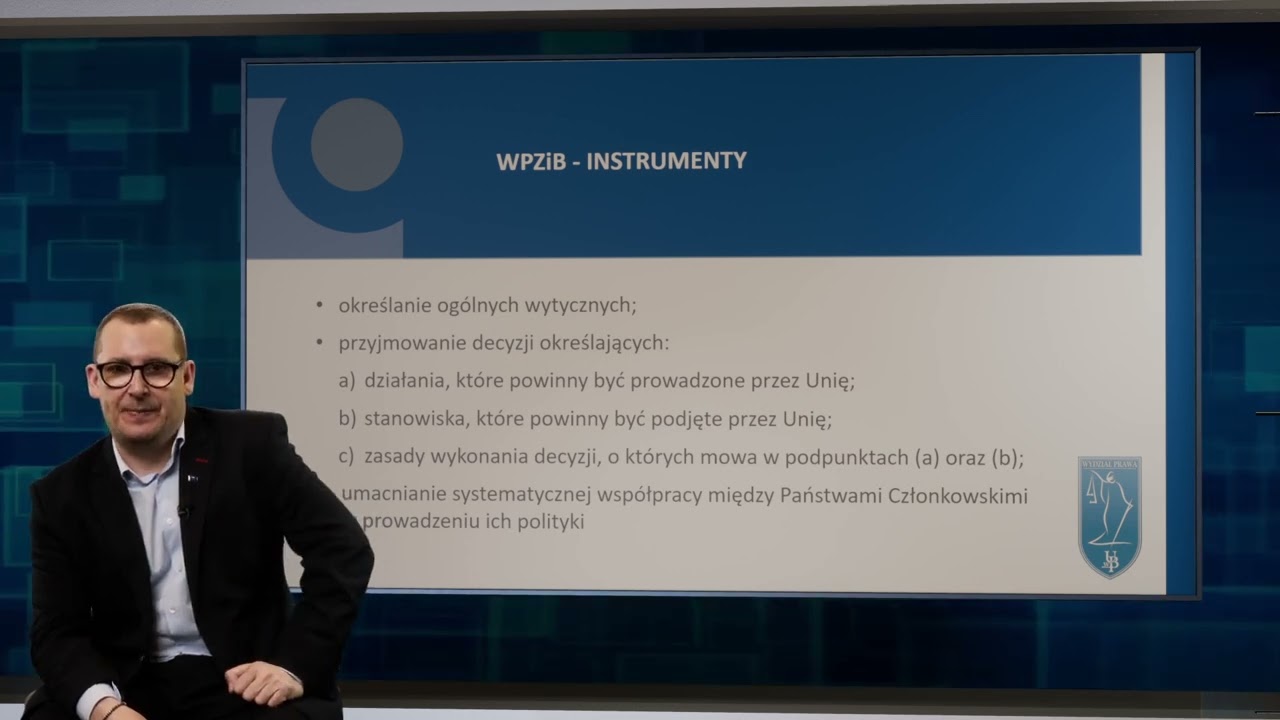
This is why we have been working with all Member States to produce this approach fulfilling the mandate of the Treaty on the European Union that clearly states that the Union has to build progressively a Common Security and Defence Policy, putting the the High Representative in charge to conduct this work. It is my pleasure to present to you after two years of work what is, certainly, a big step forward to the building of this Common Security and Defence Policy for the European Union.
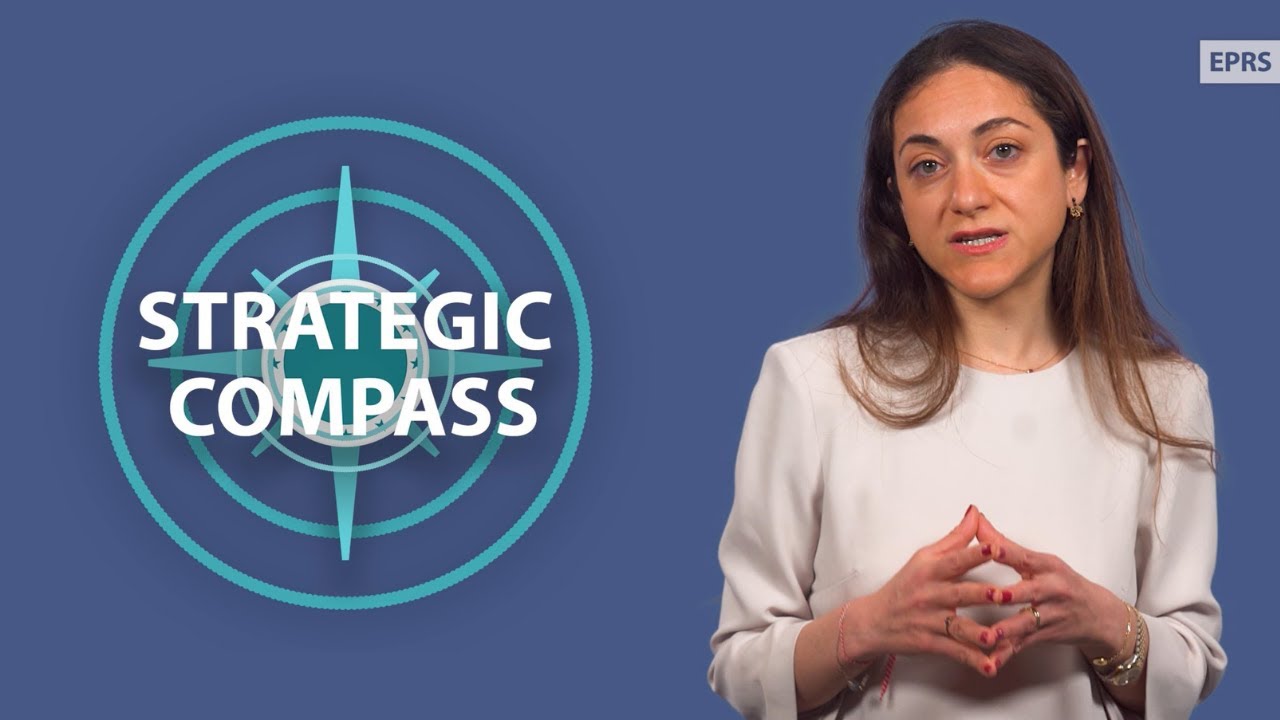
The foreign and defence ministers of the EU adopted a Strategic Compass, which gives a vision of the Union's defence development, and at Croatia's insistence, the document also makes an explicit reference to Bosnia and Herzegovina's constituent peoples.
The Strategic Compass is a document that includes the Union's political and strategic agenda in the next five to ten years.
The section of the document on the strategic environment reads that the EU today “is surrounded by instability and conflicts and faces a war on its borders.” “We are confronted with a dangerous mix of armed aggression, illegal annexation, fragile states, revisionist powers and authoritarian regimes.”
Concerning the Western Balkans region, the document reads that “security and stability throughout the Western Balkans is still not a given, also due to increasing foreign interferences, including information manipulation campaigns, as well as through potential spillover from the current deterioration of the European security situation.”
“In this regard, it is of particular interest to support the sovereignty, unity and territorial integrity of Bosnia and Herzegovina, based on the principles of equality and non-discrimination of all citizens and constituent peoples as enshrined in the Bosnia and Herzegovina Constitution, as well as the reform process on its European path and to take forward the EU-led Pristina-Belgrade dialogue.”
According to sources close to the General Affairs Council that endorsed the document, efforts to make an explicit mention of Bosnia and Herzegovina's constituent peoples were met with some opposition and required lobbying on the part of Croatian Prime Minister Andrej Plenkovic and the Croatian government for this term to be included in the document.
After it was endorsed by the General Affairs Council, the Strategic Compass will be on the agenda of the EU summit on Thursday and Friday, and on Plenkovic's initiative, one of the topics of the summit will be the situation in Bosnia and Herzegovina.
https://eudebates.tv/ #eudebates
The European Union’s foreign ministers disagreed on Monday on whether and how to slap sanctions on Russia’s lucrative energy sector over its invasion of Ukraine, with Germany saying the bloc was too dependent on Russian oil to decide an embargo.
The EU and allies have already imposed a panoply of measures against Russia, including freezing its central bank’s assets.
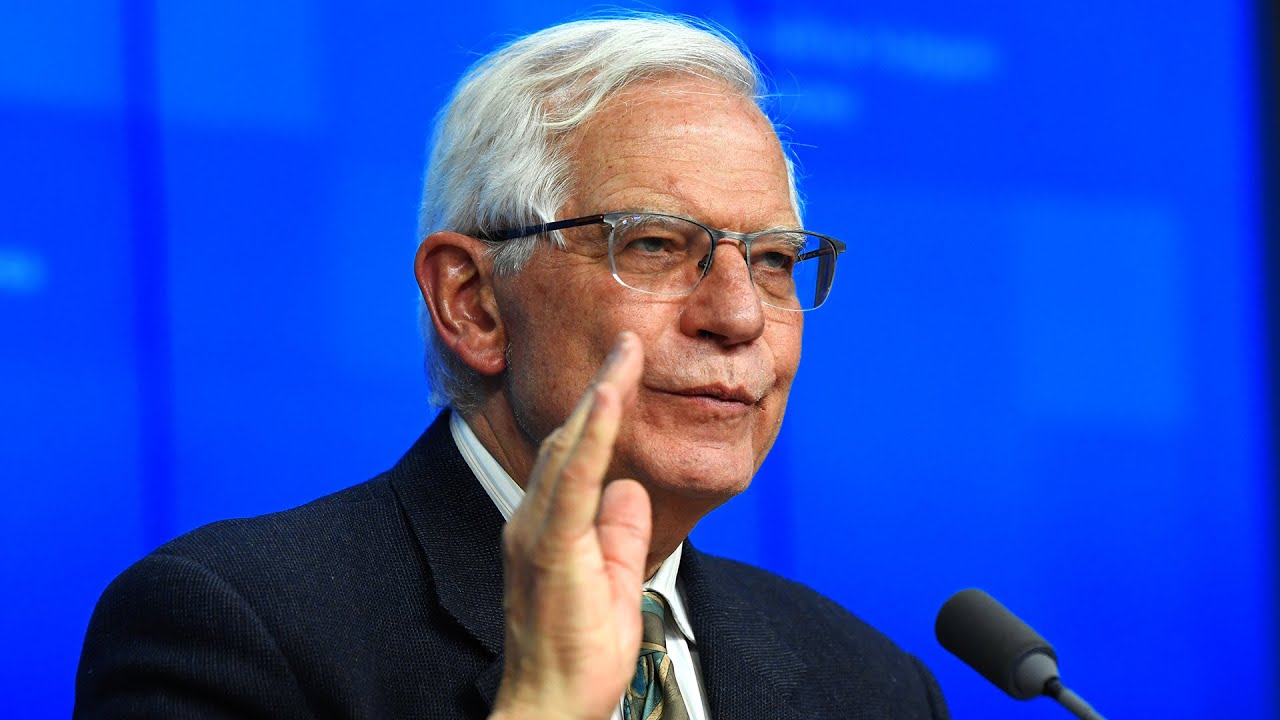
Russia’s siege and bombardment of Mariupol port, which EU foreign policy chief Josep Borrell called “a massive war crime,” is increasing pressure for action.
But targeting Russian oil, as the United States and Britain have done, is a divisive choice for the 27-nation EU, which relies on Russia for 40% of its gas. Some argued on Monday that the EU could no longer avoid such a step.
“Looking at the extent of the destruction in Ukraine right now, it’s very hard to make the case that we shouldn’t be moving in on the energy sector, particularly oil and coal,” Irish Foreign Minister Simon Coveney said before a meeting of counterparts, echoing comments from the Baltic countries.
But Germany and the Netherlands said the EU was dependent on Russian oil and gas and could not cut itself off tomorrow.
“The question of an oil embargo is not a question of whether we want or don’t want (it) but a question of how much we depend on oil,” German Foreign Minister Annalena Baerbock told reporters.
“Germany is importing a lot (of Russian oil) but there are also other member states who can’t stop the oil imports from one day to the other. If we could we would do it automatically,” she said, adding that the bloc should instead work on reducing its reliance on Moscow for its energy needs.
Diplomats cautioned that energy was one of the most complex sectors to sanction because each EU country has its own red lines. “Sanctions are exponential,” one diplomat said. “The further you go, the more difficult it is to adopt them.”
Повторяем попытку...
Доступные форматы для скачивания:
Скачать видео
-
Информация по загрузке: