Dissecting the ecological and molecular mechanisms underlying the interaction between plant...
Автор: Labroots
Загружено: 2017-10-19
Просмотров: 915
Описание:
Presented at Microbiology & Immunology 2017 https://www.labroots.com/virtual-even...
Punya Nachappa, PhD, Associate Professor, Department of Biology, Purdue University
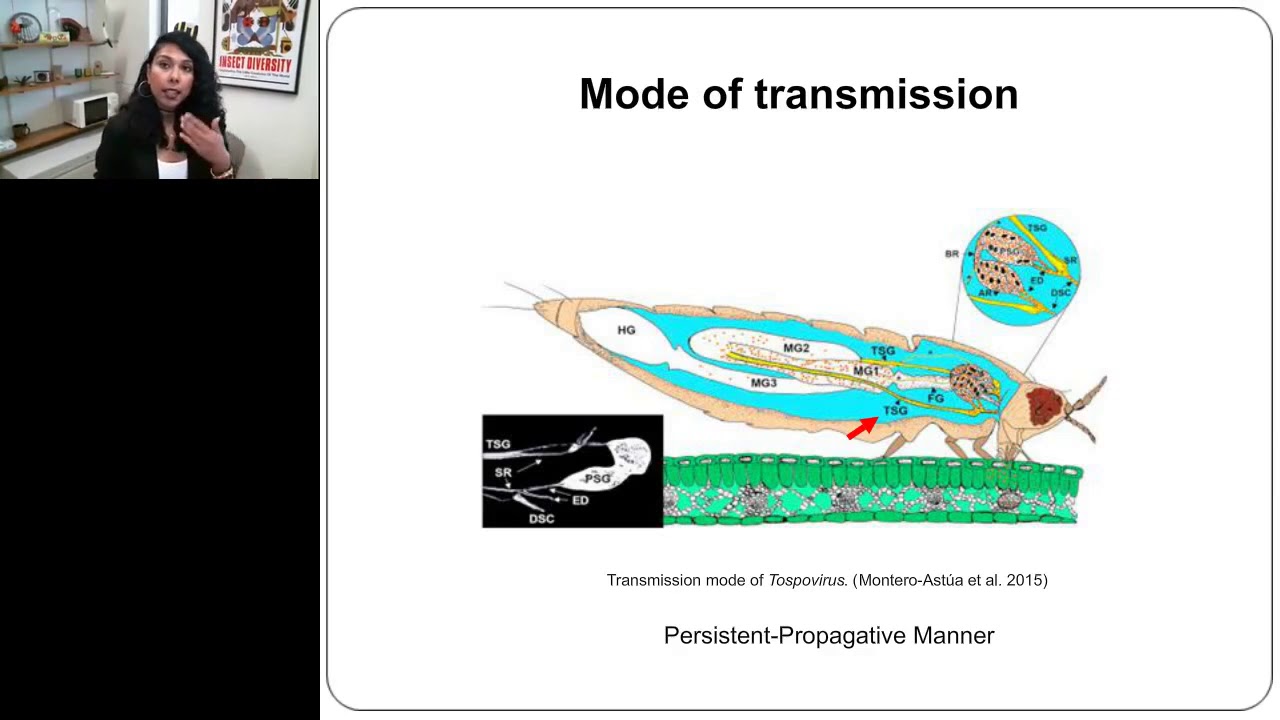
Dr. Punya Nachappa Ph.D., is an Associate Professor in the Department of Biology at Purdue University, Fort Wayne. With a background in agriculture, specializing in entomology, Dr. Nachappa studies insects that transmit microbes or pathogens that causes diseases in plants such as soybeans. During her first year at Purdue, a new soybean virus was discovered which has become a big focus of her research. When trying to study the interaction between the virus, its insect vector and the host plant Dr. Nachappa and her students found that insects carrying the virus have better reproduction rates than insects who do not. Understanding the interaction between the insect and virus, and what it means to growers, is the focus for the future. Dr. Nachappa has more than 15 peer-reviewed publications in scientific journals and over a million dollar in funding from federal and regional agencies such as USDA and Indiana Soybean Alliance, respectively. She has presented her research at several top-tier universities, regional and national conferences. She has served as peer-reviewer for 20 international journals and ad-hoc reviewer for 4 national and international funding organizations including panel member for USDA.
Dissecting the ecological and molecular mechanisms underlying the interaction between plant viruses and their insect vectors
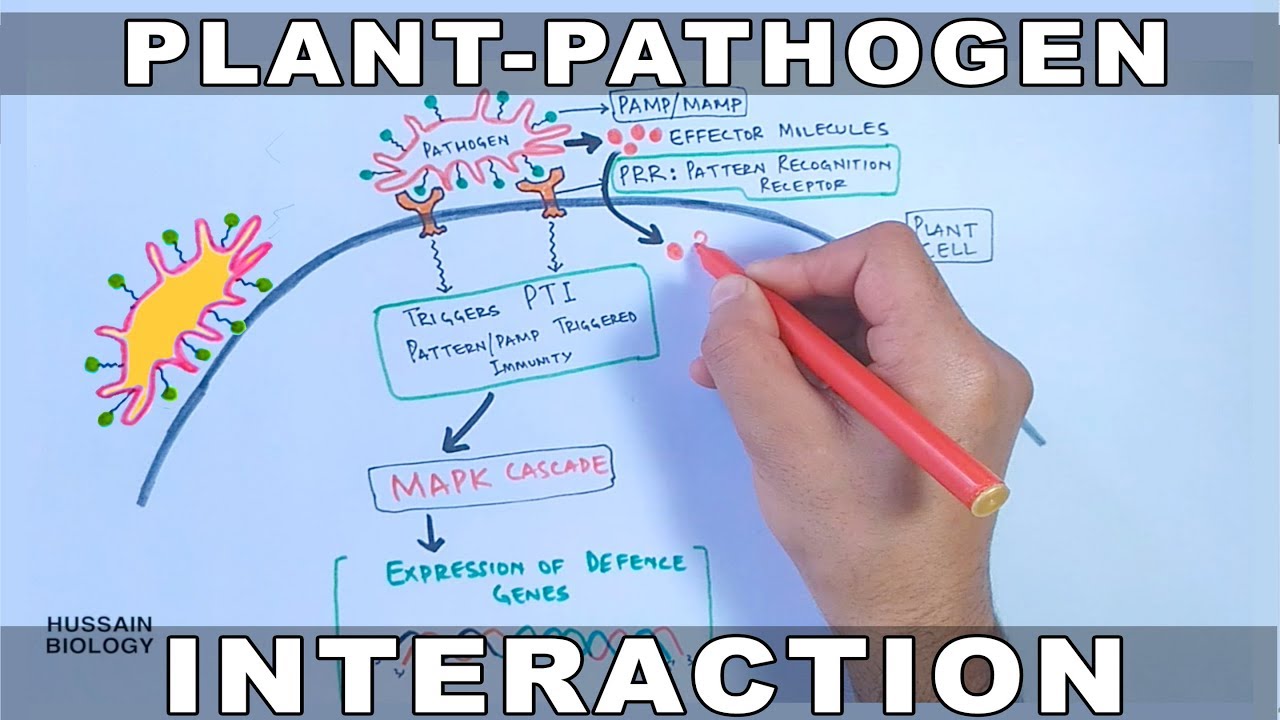
Plant viruses cause significant damage in terms of reduction in quality and quantity of yield in a wide range of crop plants worldwide. The majority of plant viruses are transmitted from one host plant to another by insect vectors. Although viruses are obligate, intracellular parasites their relationship with the insect vector varies from parasitism to mutualism. The central question of my research program is to understand ‘how plant viruses affect biology and ecology of their insect vectors? and (2) what plant and/or insect responses mediate plant-virus -vector interactions?’ To identify molecular and ecological parameters that mediate plant-vector-virus interactions, I am investigating two virus-vector systems. Tomato spotted wilt virus (TSWV), one of the ten most devastating plant viruses worldwide is transmitted by Frankliniella occidentalis (western flower thrips), the primary insect vector of TSWV, and Soybean vein necrosis virus (SVNV), a new emerging soybean virus transmitted by Neohydatothrips variabilis (soybean thrips).
Earn PACE/CME Credits:
1. Make sure you’re a registered member of LabRoots https://www.labroots.com/virtual-even...
2. Watch the webinar on YouTube or on the LabRoots Website https://www.labroots.com/virtual-even...
3. Click Here to get your PACE (expired 9/14/2019) –http://www.labroots.com/credit/pace-c...
LabRoots on Social:
Facebook: / labrootsinc
Twitter: / labroots
LinkedIn: / labroots
Instagram: / labrootsinc
Pinterest: / labroots
SnapChat: labroots_inc
Повторяем попытку...
Доступные форматы для скачивания:
Скачать видео
-
Информация по загрузке:






![Bioingene.com Webinar on Understanding Plant-Virus interaction ... [Part 1 of 3]](https://imager.clipsaver.ru/aG_P6ej2eLs/max.jpg)


