Internal Medicine – Hypokalemia: By Steven Cheng M.D.
Автор: Medskl.com
Загружено: 2016-06-29
Просмотров: 31884
Описание:
medskl.com is a global, free open access medical education (FOAMEd) project covering the fundamentals of clinical medicine with animations, lectures and concise summaries. medskl.com is working with over 170 award-winning medical school professors to provide content in 200+ clinical presentations for use in the classroom and for physician CME.
Internal Medicine – Hypokalemia
Whiteboard Animation Transcript
with Steven Cheng, MD
https://medskl.com/Module/Index/
Hypokalemia is defined as a serum potassium level less than 3.5 mEq/L. This level is tightly regulated and plays a crucial role in a wide array of cellular functions.
When potassium levels fall, patients may experience cramps, weakness, and muscle aches. At its most severe, patients can experience paralysis and changes in cardiac conduction.
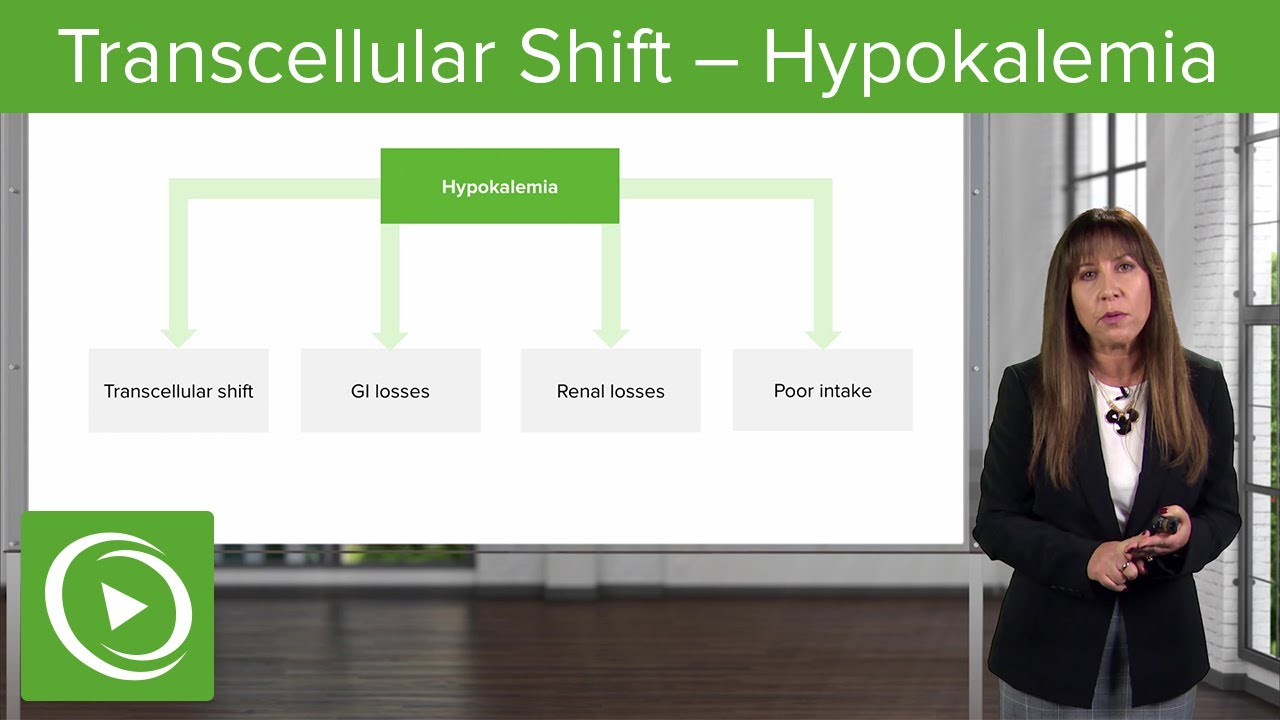
Hypokalemia is most commonly caused by a loss of potassium-rich fluids from the body.
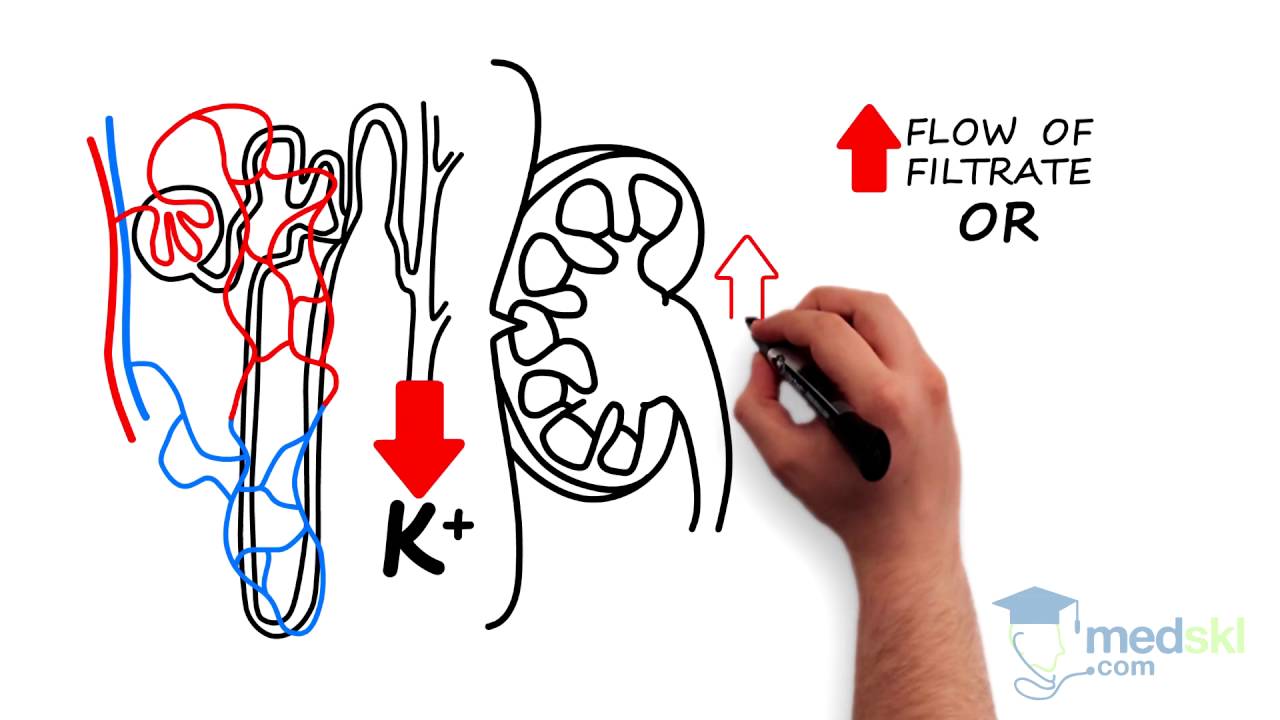
The kidneys are responsible for the majority of potassium excretion. An increase in the flow of filtrate or a rise in mineralocorticoid activity can cause more potassium to be wasted in the urine. Diuretics and hyperaldosteronism are common renal causes of hypokalemia.
There are also non-renal causes of hypokalemia including:
Diarrhea, which is a common cause of potassium loss from the GI tract, and
Hypokalemic periodic paralysis, which is a rare genetic condition.
While history often suggests the cause of hypokalemia, urine tests can differentiate renal from non-renal causes. The urine potassium level is high when potassium is wasted in the urine, but low when it is wasted from a non-renal source.
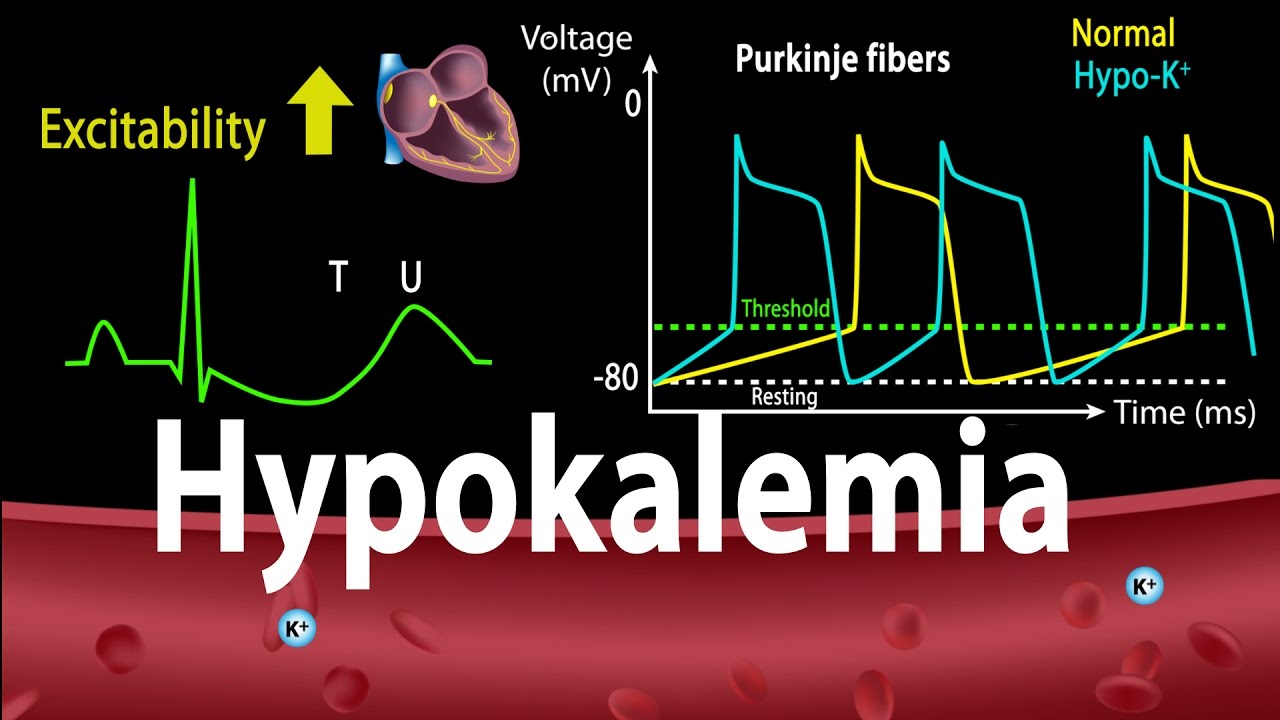
Flattened T waves and the presence of a U wave can be seen on electrocardiography in patients with severe or symptomatic hypokalemia.
Once the cause of hypokalemia is determined, the condition can be corrected by reversing any underlying pathologic processes and then replacing the lost potassium:
Mild to moderate hypokalemia, can be treated with oral supplements.
Intravenous potassium is needed when there are cardiovascular manifestations or when potassium concentrations are less than 2.5 mEq/L.
Повторяем попытку...
Доступные форматы для скачивания:
Скачать видео
-
Информация по загрузке: