Why The British SAS Was Blacklisted From US Military Bases — And Kept Getting In Anyway
Автор: General Skipper
Загружено: 2026-03-06
Просмотров: 1233
Описание:
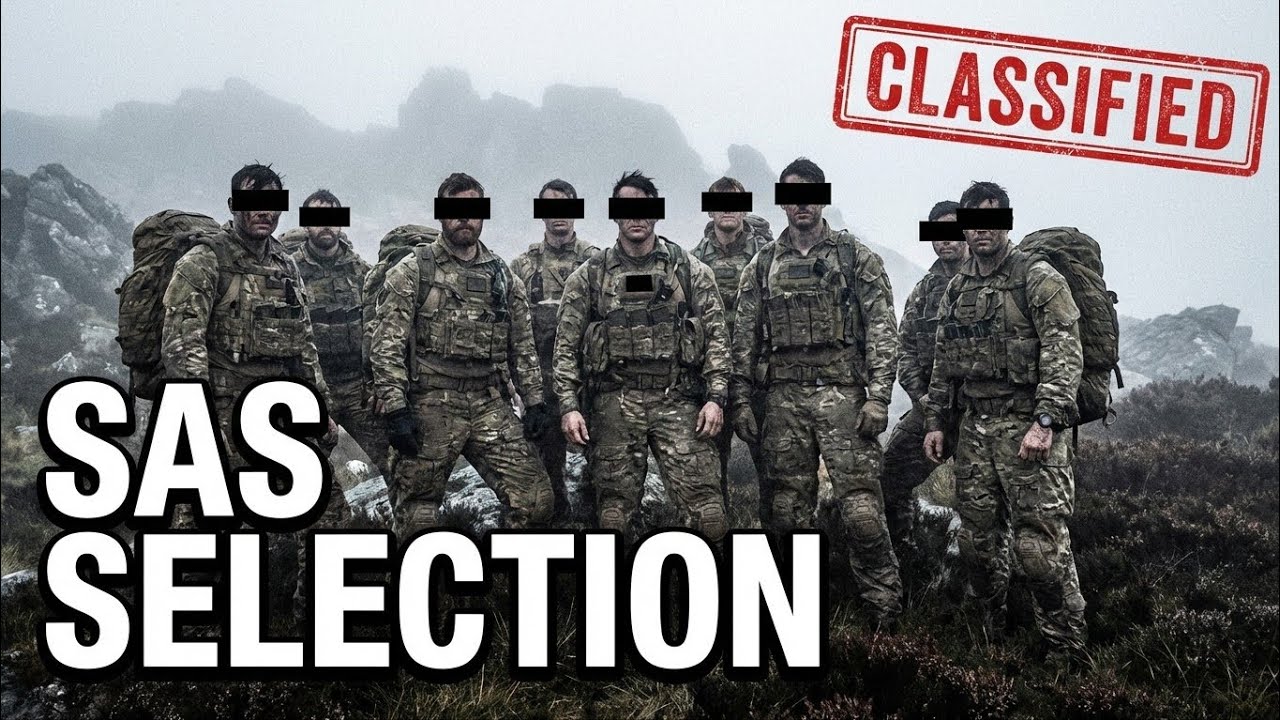
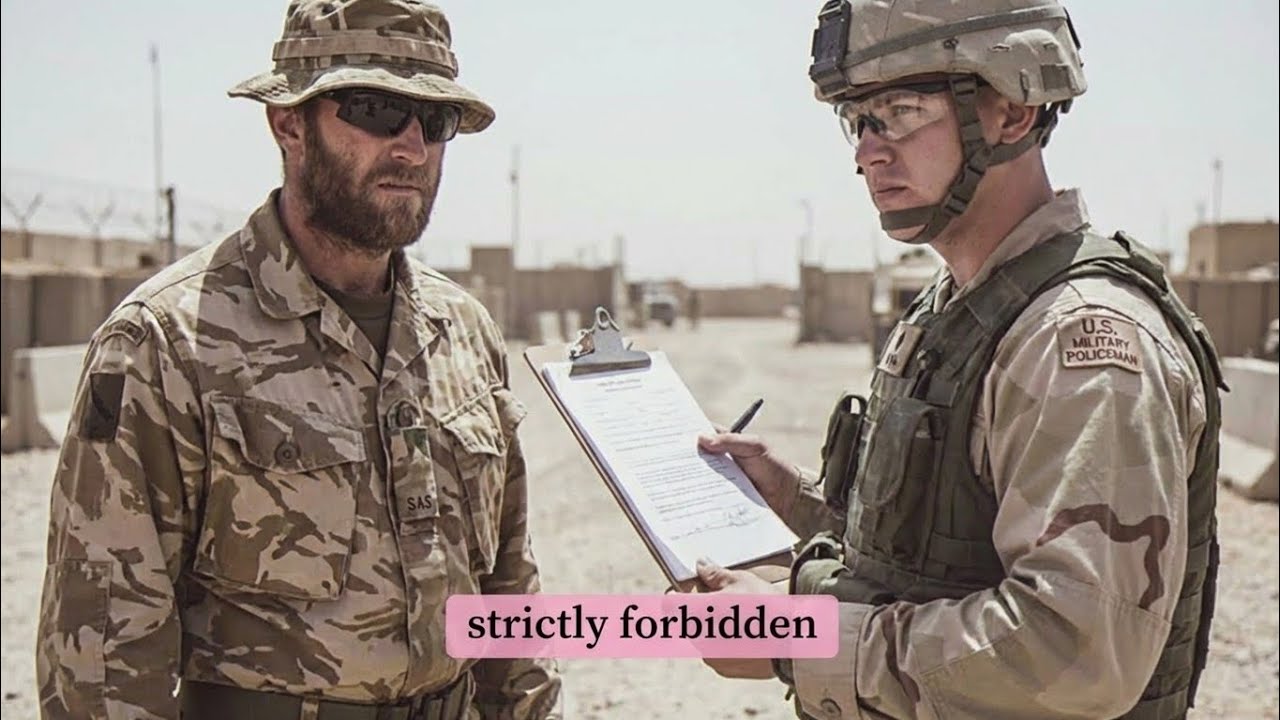
Four British soldiers were turned away at the main gate of the largest American military base in Afghanistan. Forty minutes later they were found 800 metres inside the secure perimeter. Nobody could explain how. This is the story of why America blacklisted its closest ally — and why the blacklist never worked.
Between 2002 and 2009, British 22nd Special Air Service operators repeatedly penetrated the most secure American military installations in Afghanistan without authorization, without detection, and without any apparent difficulty. Motion sensors. Observation towers manned around the clock. Surveillance systems covering every approach. Roving security patrols. None of it stopped them. Every time American base commanders upgraded their security in response to a British intrusion, the British adapted and got in anyway. The upgrades were never the problem. The men bypassing them were simply trained to a level that made conventional security measures functionally irrelevant.
The incidents began at Kandahar Airfield in January 2002, weeks after British forces deployed to Afghanistan. Four SAS operators were discovered in a restricted ammunition storage area at 2am having bypassed two security checkpoints that guards swore nobody had passed. By 2004 US base commanders were implementing security measures specifically designed to stop British intrusions. By 2005 an SAS sergeant had walked into a classified planning conference mid-briefing, sat in the back taking notes, and gone undetected until an American colonel noticed he wasn't on the attendance roster. By August 2007 a British team had triggered a full base alert at Camp Bastion, scrambled helicopter gunships, placed artillery on standby, and expended hundreds of thousands of dollars in emergency resources — because they were conducting an unauthorized perimeter probe they considered routine training.
In October 2007 United States Central Command issued a directive with no precedent in coalition history. British SAS operators were required to provide 72 hours advanced notice before visiting US facilities. They were required to remain under escort at all times. They were prohibited from accessing restricted areas without explicit written authorization from the base commander. They were subjected to additional security screening that no other Allied unit in the coalition had to undergo. US base commanders were given explicit authority to deny them entry entirely.
It was the most restrictive access policy ever applied to a allied special operations force in the history of the coalition. And within weeks of the directive being issued, British SAS operators were still appearing in unauthorized areas of US bases, apologizing politely when confronted, and doing the same thing again at a different location days later.
This video tells the full story. The incidents that built the pattern. The philosophical divide between American doctrine built on full spectrum dominance and British SAS doctrine built on David Stirling's 1941 founding principle that rules exist for conventional forces and special operations requires something different. The breaking point that forced CENTCOM to act. And the institutional failure at the heart of everything — two nations that had fought together for decades had never built a framework capable of managing the gap between their special operations cultures. Afghanistan forced them to build it. The cost of not having it was paid in scrambled helicopter gunships, damaged diplomatic relationships, and a blacklist that the men it was designed to contain simply ignored.
If you want serious military history told without Hollywood distortion, you are in the right place.
🔔 Subscribe for untold stories about the operations, failures, and moments that shaped modern warfare.
Повторяем попытку...
Доступные форматы для скачивания:
Скачать видео
-
Информация по загрузке: