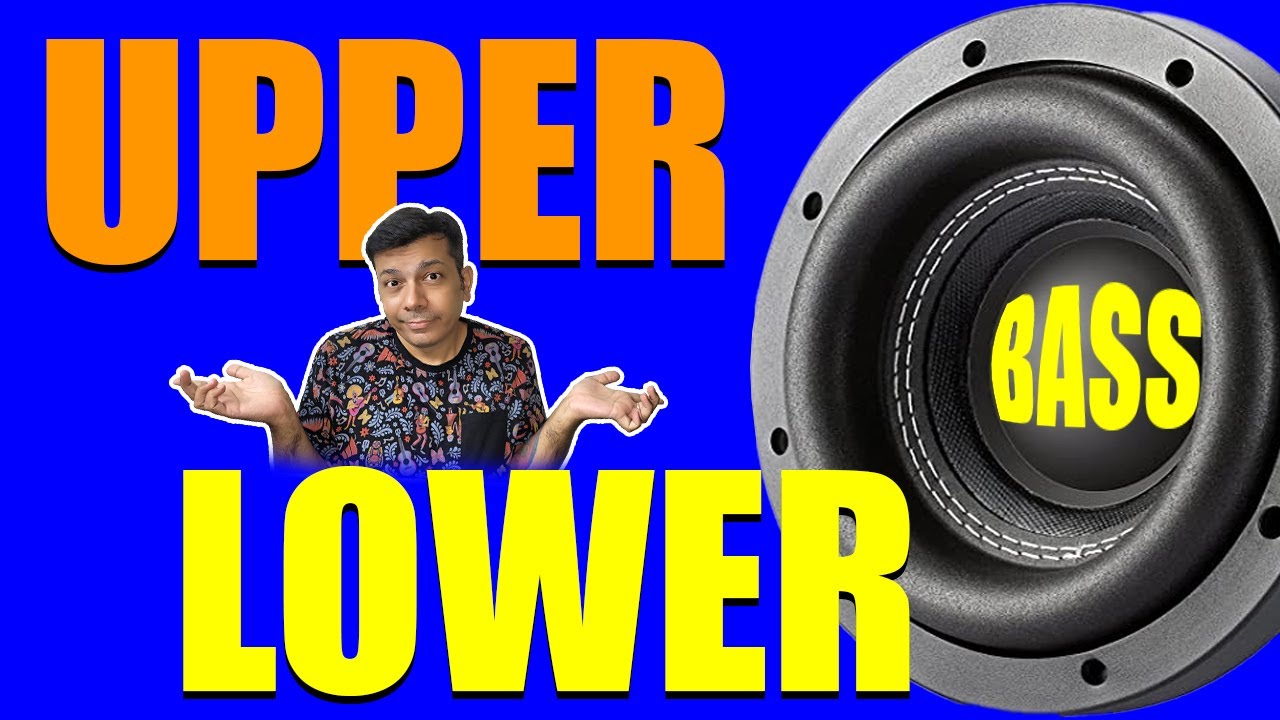
Lower Bass vs Upper Bass | अप्पर Vs लोअर बेस
Автор: Abhi's AV Tech
Загружено: 2023-11-25
Просмотров: 16876
Описание:
Lower Bass vs Upper Bass | अप्पर Vs लोअर बेस | Soundbar Subwoofer Home theater Dolby
My Instagram ID: abhis_av_tech
Links:
Buy HiFi Audio System :
• BUY👉 HiFi MUSIC SYSTEM & Upgrade to HOME T...
Soundbar Vs Home Theater :
• Soundbar Vs Home Theater | Sound Quality |...
What is the Best Sound Quality :
• Soundbar या Home Theater 👉 BEST SOUND QUAL...
What is a DAC :
• What is DAC in Audio ? Sound Quality? AVR?...
What is Dolby Atmos:
• What is Dolby Atmos ? Soundbar ? TV ? Home...
Chapters :
00:00 Lower Bass vs Upper Bass
00:22 Sound Frequency
01:30 Lower Bass Example
02:42 Soundbar Subwoofer
03:26 Home Theater
Understanding bass frequencies in audio involves exploring various ranges that contribute to the overall low-end sound spectrum. Different terms, such as lower bass, upper bass, mid-bass, and loud bass, refer to specific portions within the bass frequency range. Let's break down each of these terms:
1. *Lower Bass:*
The term "lower bass" typically refers to the deepest and lowest frequencies in the bass range.
In terms of frequency, lower bass often encompasses the range below 60 Hz.
Lower bass frequencies are responsible for the rumble and impact in music and sound effects, such as the deep notes in a bass drum or the low tones in electronic music.
2. *Upper Bass:*
The "upper bass" range is a bit higher in frequency than the lower bass and generally spans from approximately 60 Hz to 150 Hz.
Upper bass contributes to the warmth and body of musical instruments like bass guitars and cellos.
The upper bass range can greatly affect the overall tonal balance and perceived richness of audio content.
3. *Mid Bass:*
The "mid bass" range falls between the upper bass and the midrange frequencies, typically ranging from around 150 Hz to 300 Hz.
Mid bass is crucial for providing definition and punch to various instruments, including bass guitars and kick drums.
It plays a role in shaping the character and impact of the bass elements in music.
4. *Loud Bass:*
The term "loud bass" doesn't refer to a specific frequency range but rather emphasizes the intensity or volume of the bass.
Bass can be considered "loud" when it is prominently emphasized in the mix, creating a powerful and impactful listening experience.
Achieving loud bass involves not only the frequency content but also the amplitude and overall energy of the bass elements in a piece of audio.
When discussing loudness in bass, it's important to consider both the objective measurement of volume (amplitude) and the subjective perception of the listener. Factors such as room acoustics, speaker capabilities, and personal preferences can influence how "loud" bass is perceived.
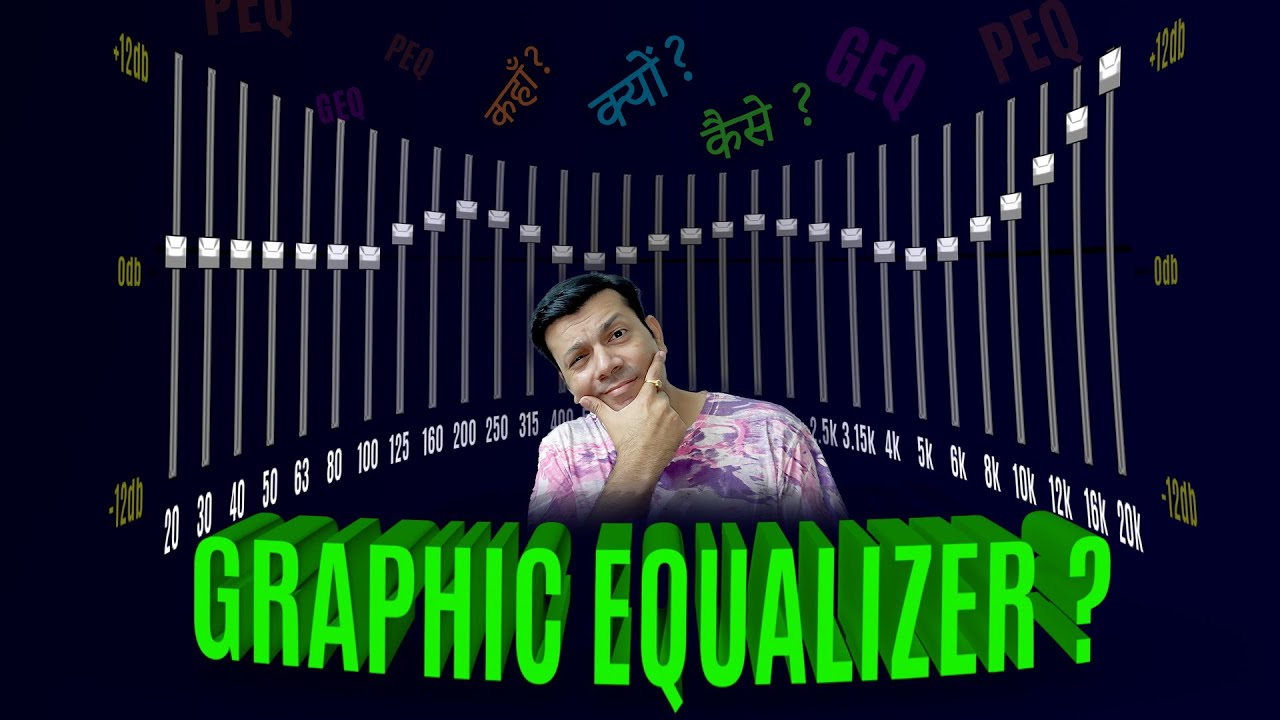
In audio engineering and music production, precise control over these different bass regions is crucial for achieving a well-balanced and immersive sound. Equalization (EQ) tools are commonly used to adjust the levels of lower, upper, and mid bass frequencies to achieve the desired tonal balance in a mix. Additionally, specialized equipment such as subwoofers can be used to reproduce the deepest lower bass frequencies with clarity and impact.
Deep bass refers to the lowest frequencies in the audible sound spectrum, often characterized by a powerful and resonant quality. These frequencies are typically felt more than heard and are responsible for the low-end foundation in music, movies, and various audio content. The perception of deep bass is not only audible but also tactile, as these low-frequency vibrations can be felt in the body, especially at higher amplitudes.
Key points about deep bass include:
1. *Frequency Range:*
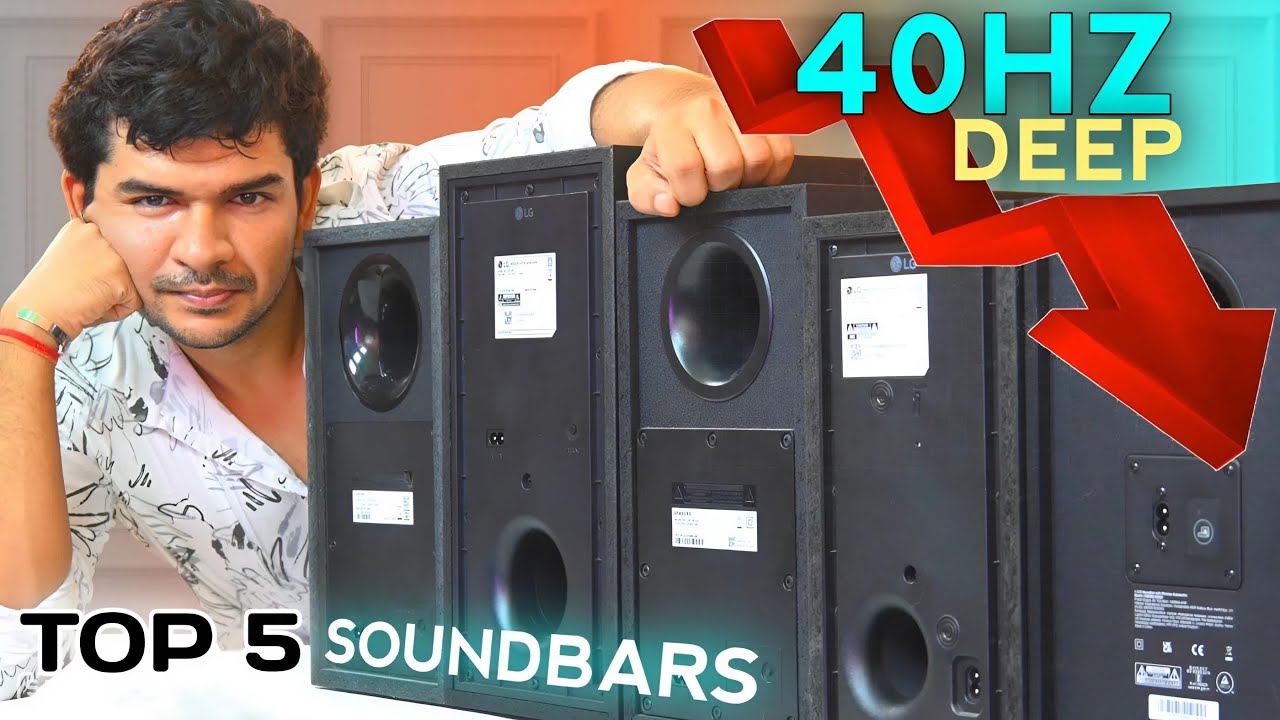
The frequency range of deep bass generally extends below 40 Hz, with the most perceptible and impactful deep bass often found in the 20 Hz to 40 Hz range.
2. *Instruments and Sounds:*
Deep bass is a crucial component in various musical genres, including electronic, hip-hop, dubstep, and genres that heavily rely on synthesized or acoustic bass instruments.
In cinematic audio, deep bass is commonly used for special effects, such as explosions and deep rumbling sounds.
3. *Perception and Impact:*
The perception of deep bass is not only through the ears but also through the body. High-amplitude deep bass vibrations can be physically felt, particularly in settings with powerful subwoofers or in live concert environments.
Deep bass provides a sense of weight, power, and intensity to audio content. It contributes to the immersive and visceral experience in music, movies, and other forms of media.
4. *Subwoofers:*
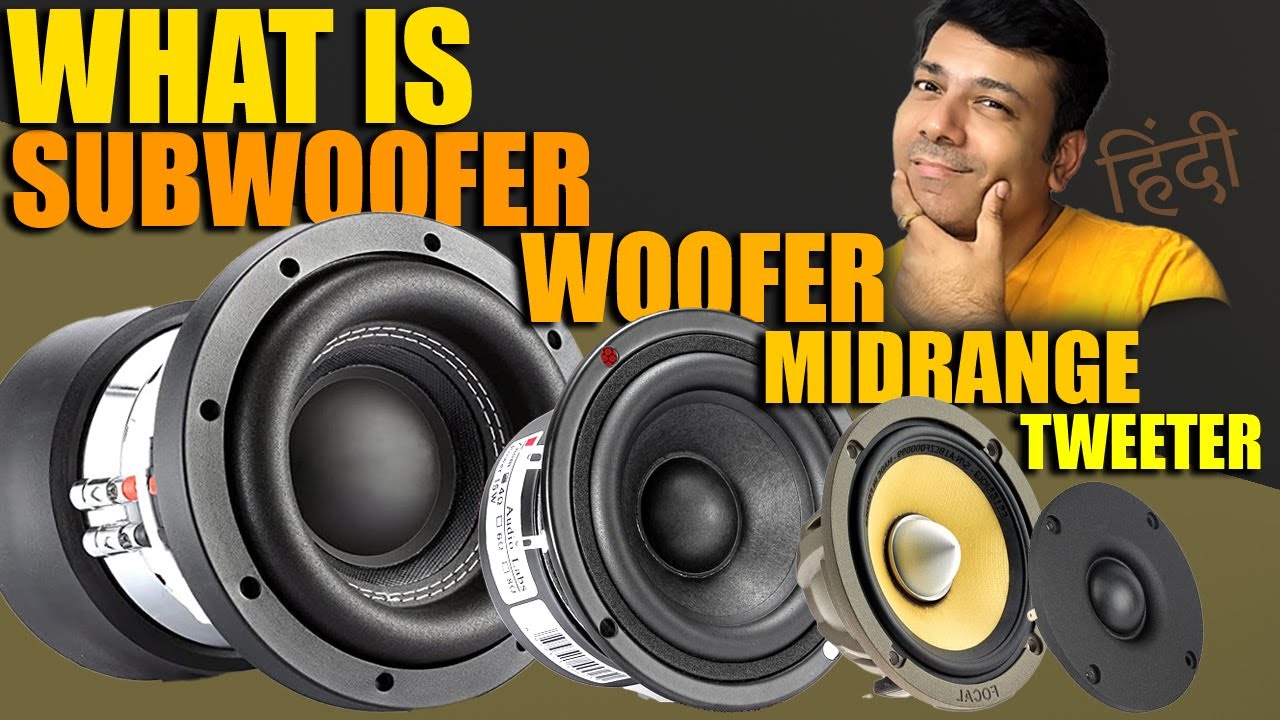
Reproducing deep bass accurately often requires specialized equipment, such as subwoofers. Subwoofers are designed to handle the lower frequencies efficiently and deliver a more impactful and extended bass response compared to standard speakers.
#abhisavtech #bass #subwoofer #deepbass #soundbar #hometheater
Повторяем попытку...
Доступные форматы для скачивания:
Скачать видео
-
Информация по загрузке: