Cinacalcet Mechanism and Side Effects
Автор: USMLE pass
Загружено: 2022-05-17
Просмотров: 7691
Описание:
Calcium homeostasis refers to the regulation of calcium levels within the body to maintain a relatively stable internal environment. Calcium is a crucial mineral that plays a fundamental role in a variety of physiological processes, including muscle contraction, nerve transmission, blood clotting, and bone health. To ensure proper functioning of these processes, the body tightly controls the concentration of calcium ions in the bloodstream.
The regulation of calcium homeostasis involves several organs, hormones, and mechanisms working together:
1. Bones: The majority of the body's calcium is stored in bones in the form of hydroxyapatite crystals. When blood calcium levels drop, the bones can release calcium into the bloodstream to maintain balance.
2. Intestines: Calcium is obtained from dietary sources, primarily from dairy products, leafy greens, and fortified foods. The active form of vitamin D, called calcitriol, helps enhance calcium absorption in the intestines. This ensures that sufficient calcium is absorbed from the diet to meet the body's needs.
3. Kidneys: The kidneys play a significant role in regulating calcium levels. They can either excrete excess calcium through urine or reabsorb it back into the bloodstream, depending on the body's needs. The hormone calcitonin, produced by the thyroid gland, can decrease calcium reabsorption by the kidneys, thus promoting excretion.
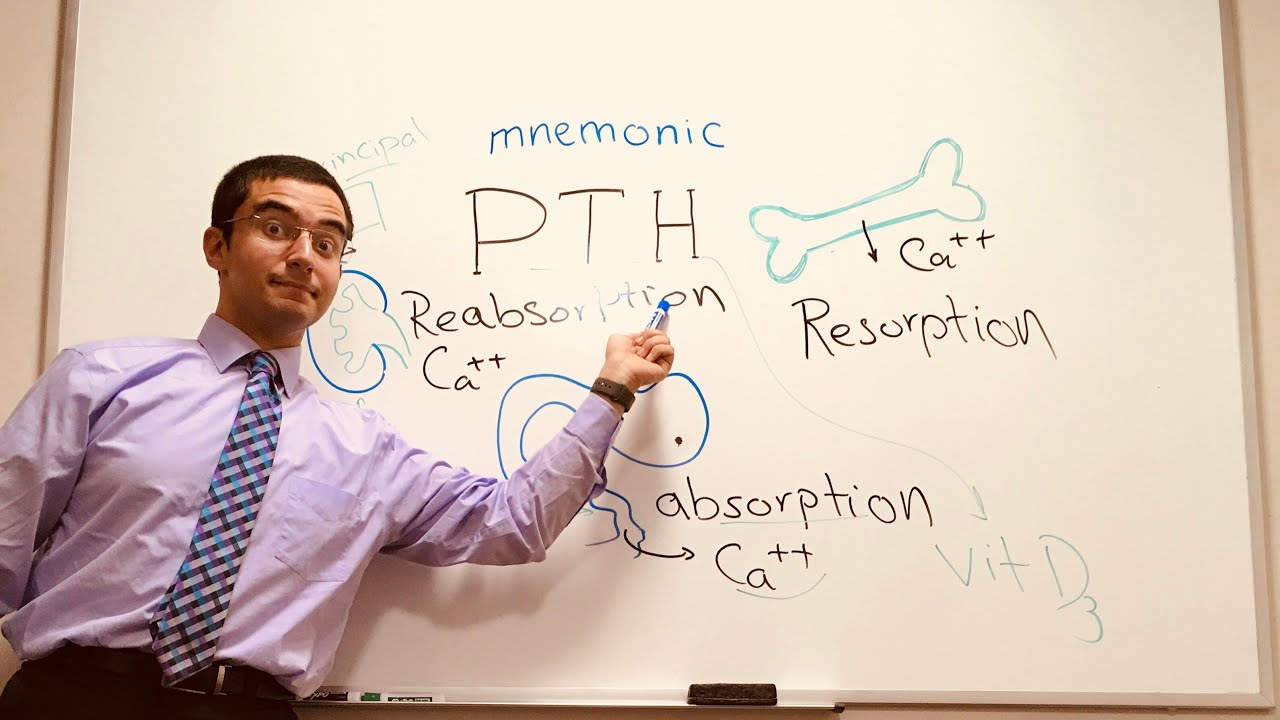
4. Parathyroid Hormone (PTH): The parathyroid glands, located in the neck, secrete parathyroid hormone (PTH) in response to low blood calcium levels. PTH stimulates the release of calcium from bones, enhances calcium reabsorption in the kidneys, and promotes the conversion of vitamin D to its active form, calcitriol, in the kidneys. Calcitriol then enhances calcium absorption in the intestines.
5. Calcitonin: This hormone, produced by the thyroid gland, opposes the actions of PTH. Calcitonin helps decrease blood calcium levels by inhibiting calcium release from bones and promoting calcium excretion by the kidneys.
The balance between these mechanisms ensures that blood calcium levels remain within a narrow range, typically around 8.5 to 10.5 milligrams per deciliter (mg/dL) or 2.12 to 2.62 millimoles per liter (mmol/L). Imbalances in calcium homeostasis can lead to various health issues:
Hypocalcemia: This condition occurs when blood calcium levels are too low. It can cause muscle cramps, spasms, numbness, tingling, and even convulsions.
Hypercalcemia: This condition arises when blood calcium levels are too high. Symptoms may include fatigue, nausea, vomiting, constipation, and impaired kidney function.
Disorders such as hyperparathyroidism (excessive PTH secretion), hypoparathyroidism (insufficient PTH secretion), and certain kidney diseases can disrupt calcium homeostasis, leading to these imbalances.
In summary, calcium homeostasis is a complex process involving the interplay of bones, intestines, kidneys, and hormones like PTH and calcitonin. This regulation ensures that the body maintains the appropriate level of calcium in the bloodstream to support various physiological functions.
Повторяем попытку...

Доступные форматы для скачивания:
Скачать видео
-
Информация по загрузке: