The Anti-New Deal Origins of Modern Christian Conservatism
Автор: Historical Sense
Загружено: 2020-10-30
Просмотров: 7321
Описание:
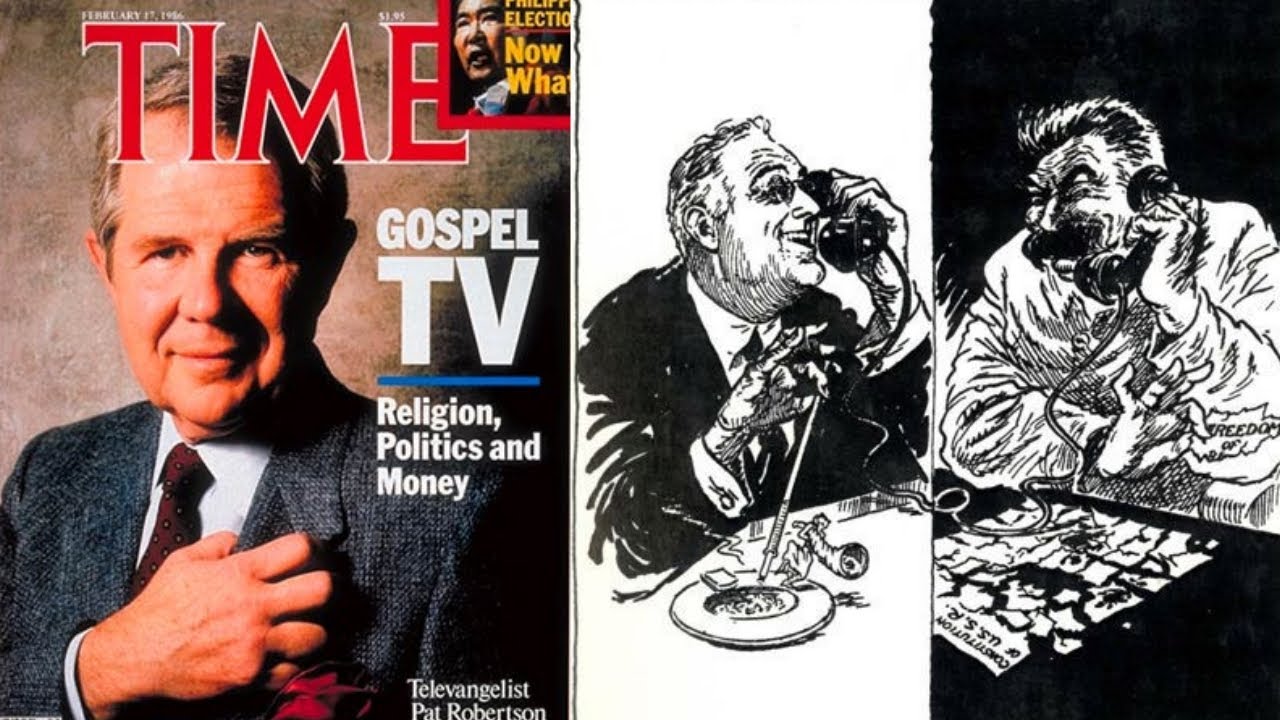
In the United States, the political right co-opted Christianity to beat the New Deal. The New Deal order was predicated on the idea that collective economic security was the foundation for individual freedoms. As Franklin Roosevelt said, “necessitous men are not free men. People who are hungry and out of a job are the stuff of which dictatorships are made.” Through the 1960s it was inconceivable for most Americans that the New Deal order would ever go away. Yet by the end of the 1970s modern conservatism, an ideology which conceives of big government (except in foreign policy, policing, and incarceration) is the source of most problems, became ascendant. This video is the first of three that will explain why the New Deal gave way to conservatism. Capitalists played a central role in that transformation, providing the funding and organization across decades to develop new tactics for uniting the various strands of conservatism and for challenging New Deal hegemony. This video focuses on Christian libertarianism, the fusion of economic and social conservatism that made religion the province of right-wing politics. According to Christian libertarianism, capitalism and Christianity are counterparts both threatened by any forms of collectivism, and that the greatest threat to each came not from Moscow but from liberal government. More broadly than US history, this trilogy shows the fragility of social democracy.
Sources
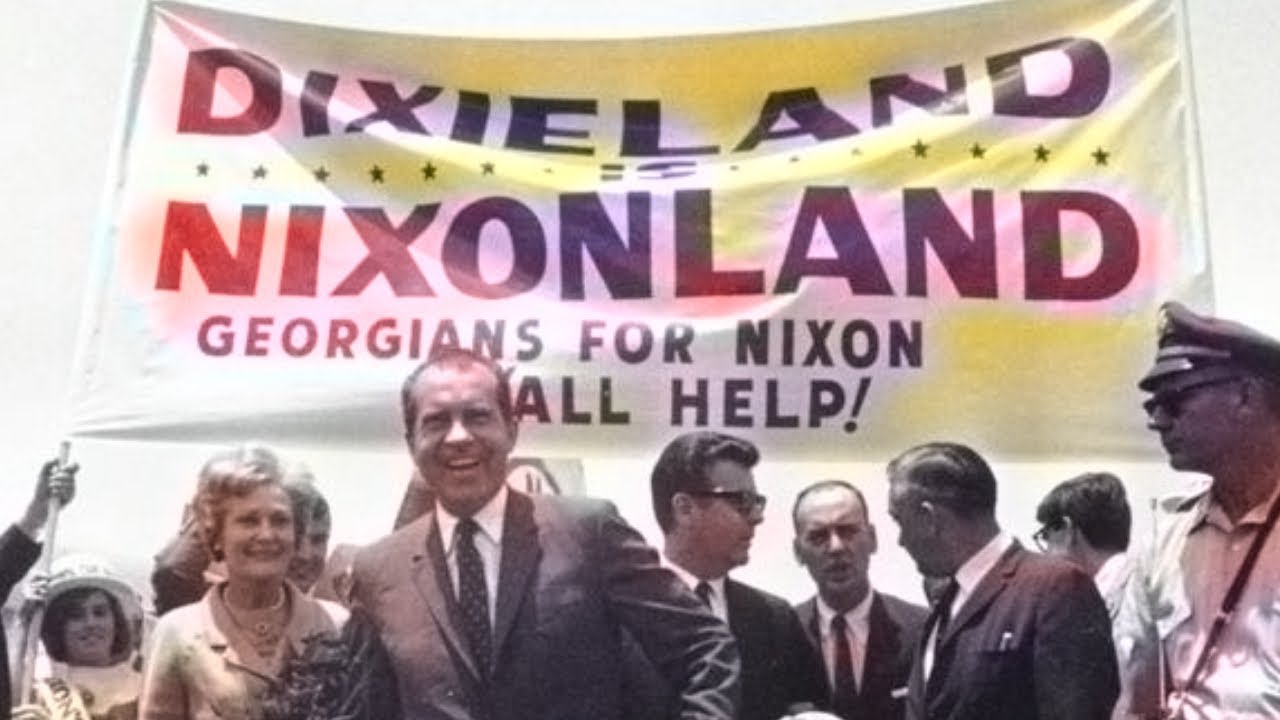
The material on Spiritual Mobilization, as well as the politics of piety in the Eisenhower, Nixon, and Reagan Administrations comes from Kevin Kruses’s One Nation Under God.
The discussion of how capitalists exploited racial, gender, and religious anxieties to defeat Upton Sinclair’s EPIC program comes from Kathryn Olmsted’s Right out of California.
Douglas Sackman’s Orange Empire also discusses capitalist attacks on Upton Sinclair’s EPIC program.
The discussion on inflationary politics and the passage of Taft-Hartley comes from Meg Jacobs’s Pocketbook Politics.
For a more thorough discussion on how capitalists used World War II as an opportunity to attack labor and the New Deal, read Mark Wilson’s Destructive Creation.
For an overview of capitalist organization against the New Deal, see Kim Phillips-Fein, Invisible Hands.
For more on the Republican Party and government, there are many books to consult. On the American West as a kindergarten for the American State, read Richard White’s It’s All Your Misfortune and None My Own. Eric Foner’s Free Soil, Free Labor, and Free Men provides an overview of 19th century Republican ideology, as does his classic work on Reconstruction, Reconstruction: America’s Unfinished Revolution. William Leuchtenberg’s The Perils of Prosperity covers a lot of pro-business Republican policy in the 1920s. Daniel Pisani’s Water and American Government examines important Republican policies related to water, canal, and dam development, including Herbert Hoover’s plan for a comprehensive national canal system.
Roosevelt’s articulations on government power, collective economic security, and individual freedom can be found in his second inaugural address, his four freedoms speech, and his 1944 State of the Union Address.
http://historymatters.gmu.edu/d/5105/
https://www.americanrhetoric.com/spee...
https://www.ushistory.org/documents/e...
Повторяем попытку...
Доступные форматы для скачивания:
Скачать видео
-
Информация по загрузке: