Inside the Wills Factory: How Britain's Tobacco Empire Was Built and Lost
Автор: Lost Industries
Загружено: 2026-04-11
Просмотров: 14987
Описание:
Inside the Wills Factory: How Britain's Tobacco Empire Was Built and Lost
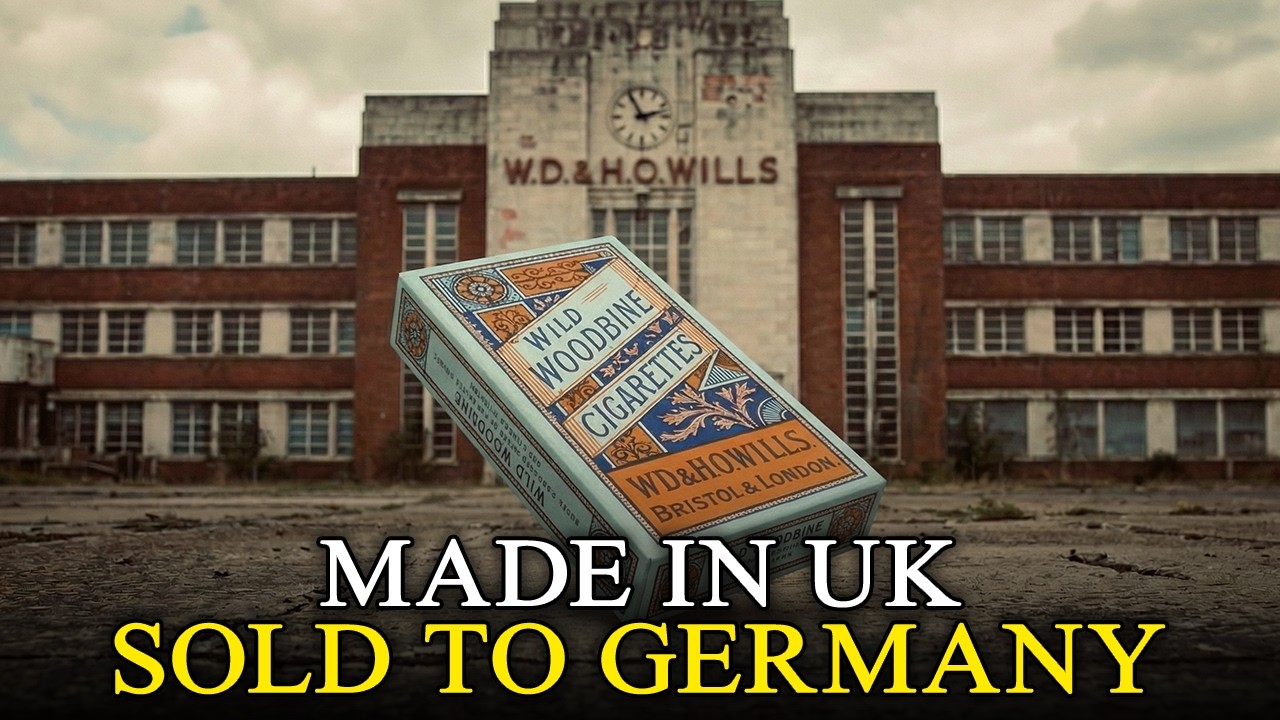
In the heart of Bristol, there once stood—and in brutalist architectural form still stands—the absolute rulers of the city: the massive W.D. & H.O. Wills tobacco factories that literally paid Bristol's wages for generations, where thousands of Bristol workers manufactured the deeply British cigarettes that defined working-class culture from Woodbines (the soldier's smoke through two world wars) to Embassy (with their famous coupons that families saved religiously to redeem for toasters, kettles, and household goods that made Imperial Tobacco part of British domestic life beyond just smoking). Wills wasn't merely a tobacco manufacturer; it was Bristol's identity and economic backbone, the place where entire neighborhoods existed to house factory workers, where the massive brick and concrete buildings dominated the cityscape as monuments to industrial power, where Embassy coupons created a parallel economy of loyalty and aspiration as working-class families accumulated them in drawers hoping to save enough for the television or vacuum cleaner they couldn't otherwise afford, proof that Bristol tobacco manufacturing wasn't just about cigarettes but about the city's entire social and economic structure built around Wills' dominance.
But corporate consolidation and ruthless cost-cutting destroyed Bristol's tobacco empire. When Wills became part of Imperial Tobacco's portfolio, the factories that had built Bristol became just another cost center to be optimized, and in the 2000s Imperial Tobacco made the brutal decision to close the historic Bristol sites and ship production of these deeply British cultural staples to Germany and Eastern Europe to save pennies on labour costs, eliminating thousands of Bristol jobs and ending over a century of the city's tobacco manufacturing heritage. The massive factories that had employed generations of Bristol families were shut down not because British smokers stopped buying Woodbines and Embassy, not because Bristol workers couldn't make quality cigarettes, but because German and Eastern European workers could be paid less, and corporate executives valued quarterly savings over Bristol's economic survival and cultural heritage.
Today, the historic Bristol tobacco factory sites have been turned into generic luxury apartments for professionals who have no connection to the thousands of workers who once manufactured billions of cigarettes there, who've never saved Embassy coupons or understood what Woodbines meant to British soldiers and workers. The brutalist buildings still stand but as housing rather than industry, stripped of the manufacturing purpose that made them Bristol landmarks and economic engines, leaving the city without the tobacco empire that defined it while smokers still buy Embassy and Woodbines now made in Germany with no Bristol connection. This is the story of how Britain's tobacco empire was built on Bristol labour and lost to corporate cost-cutting, how Imperial Tobacco killed the city's manufacturing heritage for German savings—and what those luxury apartment conversions say about British industrial sites being gentrified for people who'll never know the history they're living in, leaving Embassy coupons and Woodbines as nostalgic memories of when Bristol made the cigarettes that Britain smoked before corporations decided Bristol workers were too expensive and moved production abroad.
Повторяем попытку...
Доступные форматы для скачивания:
Скачать видео
-
Информация по загрузке: