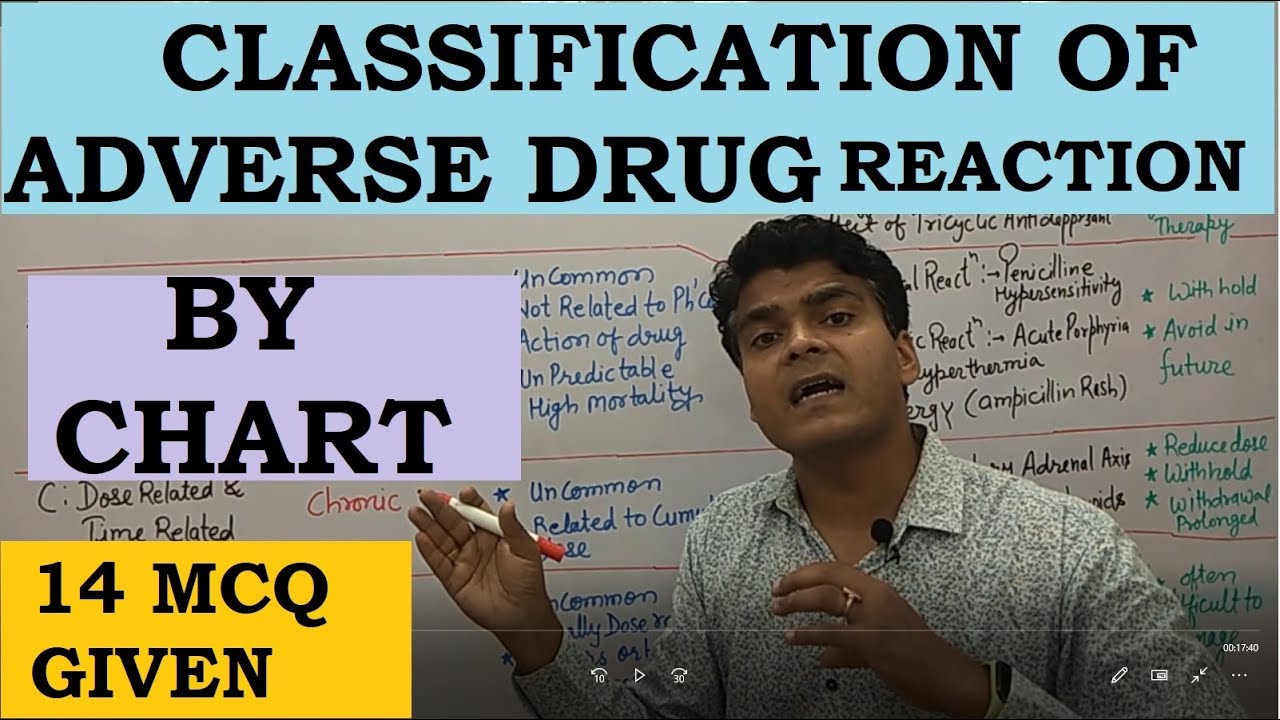
Classification of Adverse Drug Reaction | Mnemonic | TYPE of ADR | MCQ on ADR | Pharmacovigilance
Автор: Tutor Box
Загружено: 2021-07-13
Просмотров: 17169
Описание:
In this lecture i discuss the classification of adverse drug reaction.
MCQ also discuss at the end of lecture.
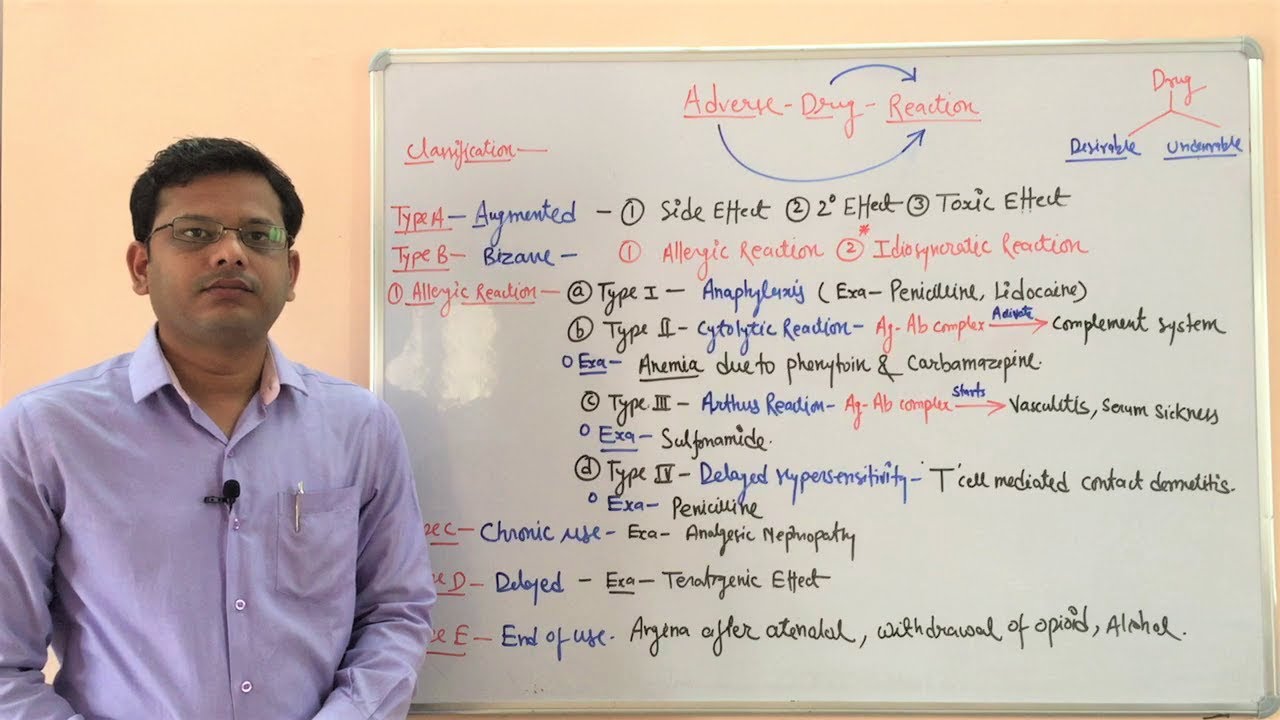
ADRs can be classified into six types—
• Type A reactions (dose-related)—These reactions are an exaggerated, but otherwise
normal pharmacological responses to the effects of the medicines given in therapeutic
dose, cause significant morbidity but are rarely severe. The reaction is treated by
reducing the dose or withholding the medicine and considering alternative therapy.
Examples of such reactions include⎯
ο Pharmacodynamic (e.g., bronchospasm from beta-blocker administration)
ο Toxic (e.g., deafness from overdosing of aminoglycosides)
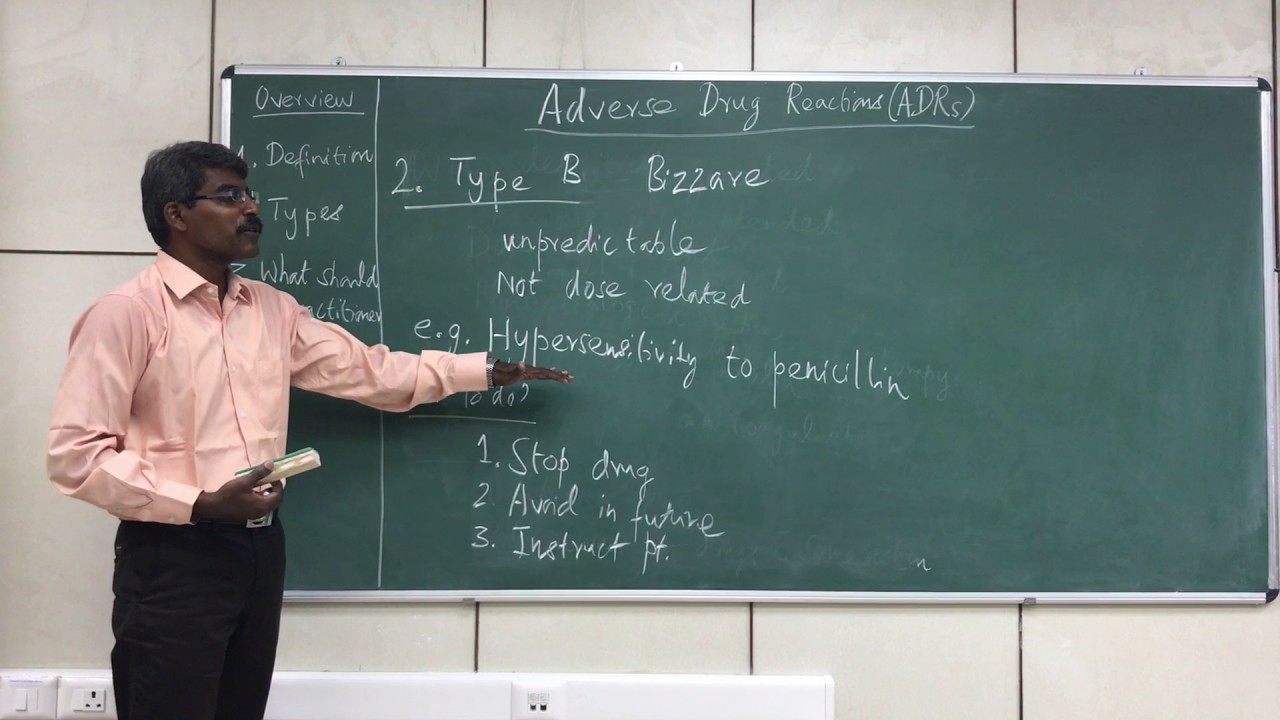
Type B reactions (non-dose related)—These reactions are bizarre and unpredictable with
no relation to dose or pharmacological action of the medicine and are often allergic in
nature. They are uncommon but are often severe and cause high mortality. The reaction is
treated by stopping the medicine and avoiding it in the future. Examples of such reactions
include⎯
ο Medicine-induced diseases (e.g., antibiotic-associated colitis)
ο Allergic reactions (e.g., anaphylactic reaction to penicillin administration)
ο Idiosyncratic reactions (e.g., irreversible aplastic anemia caused by chloramphenicol)
• Type C reactions (dose-related and time-related)—These reactions are chronic (long
term) and related to cumulative dose. The reaction is treated by reducing the dose or
withholding the medicine, which may have to be withheld for a long time. Examples of
such a reaction include—
o Osteoporosis with oral steroids
o Hypothalamic-pituitary-adrenal axis suppression by corticosteroids
• Type D reactions (time related)—These reactions are delayed (i.e., have a lag time) after
the use of a drug. They are uncommon but their treatment is often intractable. Examples
of such reactions include—
o Teratogenic effects with anticonvulsants or lisinopril
o Carcinogenesis
o Tardive dyskinesia
• Type E reactions (withdrawal)—These reactions occur soon after the end of use (i.e.,
withdrawal) and are uncommon. The reaction is treated by reintroducing the medicine
and then withdrawing it slowly. Examples of this reaction include—
o Withdrawal syndrome with benzodiazepines
o Opiate withdrawal syndrome
o Myocardial ischemia after beta-blocker withdrawal
• Type F reactions (unexpected failure of efficacy)—These reactions occur when there is a
failure of efficacy. Such reactions are common, may be dose-related and are often caused
by drug interactions. The reaction is treated by increasing the dose and considering the
effects of concomitant therapy. Examples include—
o Resistance to antimicrobials
o Inadequate dosage or oral contraceptives, particularly when used with specific enzyme inducers
Various playlist of our Channel
Anitmicrobial agent Pharmacology
• Tetracycline ADR & Uses Mnemonics by using...
Human Anatomy & Physiology Lectures Playlist
• Kidney Function (Hindi)|| Why We Need Kidn...
FACEBOOK: / vivekjainsir
INSTAGRAM: / tutorbox3
You tube Channel Link: / tutorboxchannel .
Повторяем попытку...
Доступные форматы для скачивания:
Скачать видео
-
Информация по загрузке: