Fatal Crash of a CSA PiperSport at Santa Monica Airport (SMO), California (September 8, 2022)
Автор: Aviation Accidents / NTSB Case Reviews
Загружено: 2024-09-09
Просмотров: 43696
Описание:
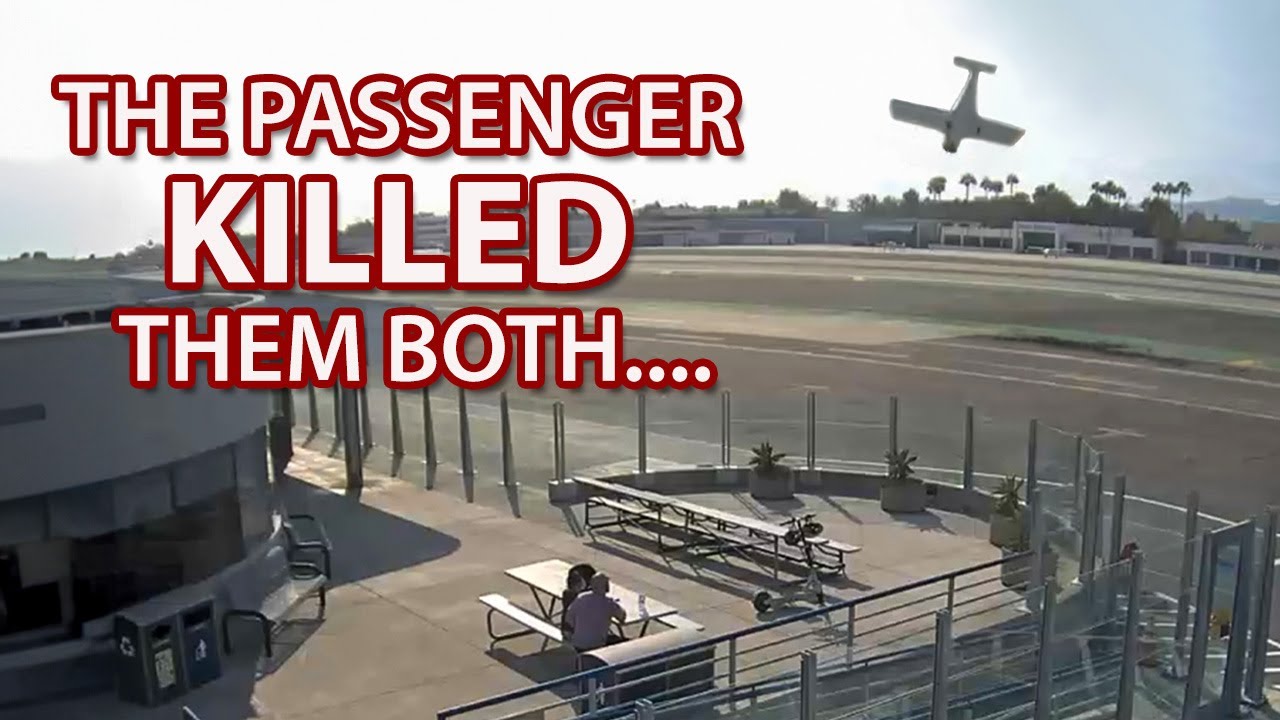
Abrupt maneuver: CSA PiperSport, N126WK, fatal accident occurred on September 8, 2022, at Santa Monica Airport (SMO/KSMO), Santa Monica, California:
Original Publish Date: July 10, 2024
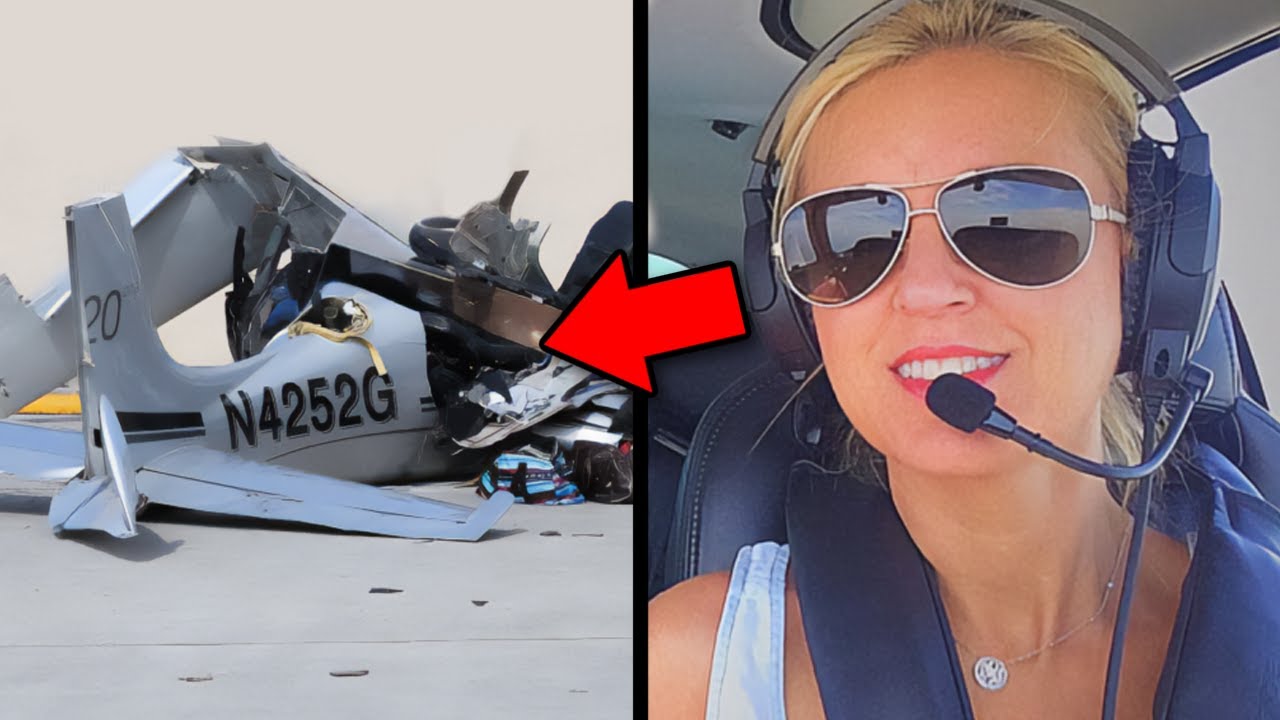
On September 8, 2022, about, 1626 Pacific daylight time, a Czech Sport Aircraft, Piper Sport, N126WK, was destroyed when it was involved in an accident in Santa Monica, California. The flight instructor and passenger were fatally injured. The light-sport airplane was operated as a Title 14 Code of Federal Regulations (CFR) Part 91 instructional flight.
The flight was an introductory flight lesson for the passenger in the light-sport airplane. The route was along the Southern California Coast and the flight lasted about 35 minutes. The landing approach was uneventful, with the flight instructor providing clear indications of the airplane’s position as they flew in the traffic pattern, and declaring his intention that this would be a full-stop landing.Multiple witnesses observed the airplane land on runway 21, with one describing the landing as “hard.”
About the time of landing, a transmission over the common traffic advisory frequency (CTAF), captured a low pitch grunting sound followed by the instructor screaming, “let go, let go……. let go, let go, let go.” The grunting sound continued, and the airplane pitched aggressively nose-up and began to climb almost vertically with the engine at a high power level, before leveling off about 100-200 ft above ground level (agl), then spinning to the left, descending, and colliding with the ground.
Most of the airframe was consumed by fire; however, the postaccident examination did not reveal any evidence of preimpact mechanical malfunction or failure of the flight control system. Damage to the propeller blades indicated that the engine was producing power at impact, and the flaps were in a configuration appropriate for landing.
The airplane was equipped dual control sticks, both of which were fitted with push-to-talk (PTT) microphone switches. The instructor’s “let go” commands were transmitted over the CTAF and appeared to be coming from the background over the student’s microphone; therefore it is likely that the student pilot was holding his stick firmly, and inadvertently pressing the switch.
Federal Aviation Administration (FAA) regulations do not explicitly prohibit students, or in this case a passenger, from manipulating the flight controls during any phase of flight training; however, guidance does warn that students can be anxious learners and can be incredibly strong and often exhibit reactions that are inappropriate to the situation. The flight track indicated that along with routine flight maneuvers, the airplane did perform a series of highbank-angle turns that would have resulted in high G-forces to the occupants. It is possible that the instructor had established a comfort level with the student after performing those maneuvers that resulted in him gaining a level of trust with the passenger’s ability.
It is common for the landing phase to be stressful for a new student, especially as the runway approaches. This stress would be further exacerbated during a hard landing, as was described by a witness. The passenger likely applied excessive aft elevator control, possibly in response to the flight instructor’s input, or as a reaction following a hard landing as described by witnesses. Given the responsive flight characteristics of the airplane, this would have resulted in the pitch up motion that exceeded the airplane’s critical angle of attack and resulted in an aerodynamic stall as observed by witnesses. Additionally, because the passenger was pressing the PTT switch, the instructor’s microphone was blocked and the passenger may not have been able to understand what the instructor was saying
Probable Cause: The pilot’s inability to maintain control of the airplane during the landing flare due to the passenger’s excessive control inputs, which resulted in the airplane exceeding its critical angle of attack and entering an aerodynamic stall.
Report:
https://data.ntsb.gov/carol-repgen/ap...
Docket:
https://data.ntsb.gov/Docket?ProjectI...
Повторяем попытку...

Доступные форматы для скачивания:
Скачать видео
-
Информация по загрузке: