The Real Meaning of "It Is Enough" (Luke
Автор: Armor and Ash
Загружено: 2025-10-24
Просмотров: 1741
Описание:
What did Jesus mean by "It is enough"?
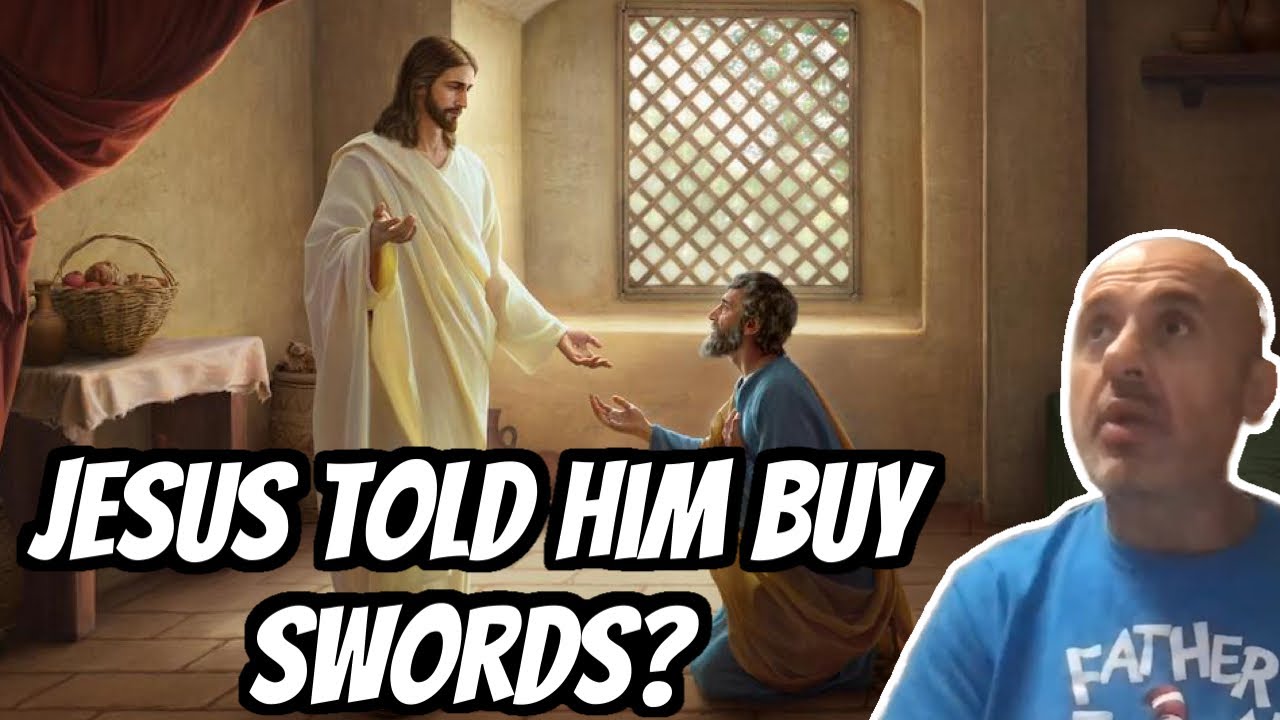
This question, found in Luke 22:38, is one of the most debated and misunderstood passages in the Bible. It sits at the very center of the Christian self-defense debate. Why did Jesus tell his disciples, "he who has no sword, let him sell his garment and buy one" (Luke 22:36), only to say "It is enough" when they produced just two swords for twelve men?
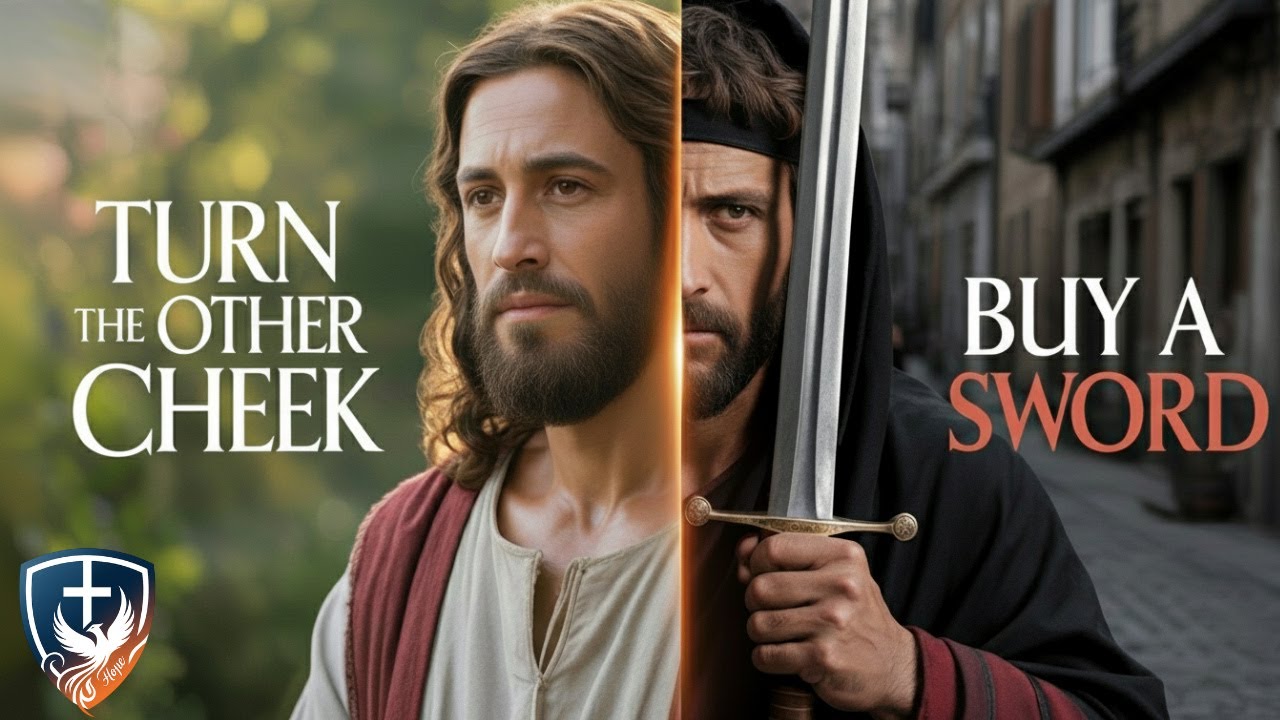
Does this passage give Christians a mandate for owning weapons? Or is it the opposite? How do we reconcile "buy a sword" with "turn the other cheek" (Matthew 5)?
This video dives deep into the exegesis of Luke 22 to find the answer. We’ll explore the most common objection: that the swords were never meant for defense, but were only "prophecy props" so Jesus could be "numbered with the transgressors" as prophesied in Isaiah 53:12.
We will walk through the text and show why that popular interpretation simply doesn't hold up to scrutiny.
The prophecy from Isaiah 53 was not fulfilled by the disciples holding weapons; it was fulfilled when Jesus was crucified between two criminals.
The charge brought against Jesus at His trial was blasphemy, not armed rebellion. The swords were irrelevant to his arrest.
The command to buy a sword is given in the same breath as commands to take a moneybag and a knapsack—practical, literal items for a new, hostile mission field.
So if the swords weren't just props, why did Jesus say "It is enough"?
The answer is found not in a mathematical calculation ("two swords will do"), but in the context of the scene. To understand the text, we must use sound hermeneutics. Immediately before this exchange, the disciples were arguing about who was the greatest. Peter was boasting that he was ready to die for Jesus. The disciples were in a state of thick-headed, triumphalist fantasy, completely missing the point of the cross.
When Jesus gives them practical instructions for the hostile world they are about to face, they once again miss the point and fixate on the hardware: "Look! We've got two swords!"
Jesus's reply, "It is enough" (or hikanon estin in the Greek ), is not a statement of sufficiency. It is a rebuke. It’s the 1st-century equivalent of saying, "That's enough," "Enough of this," or "Just... stop". He is cutting off their foolish tangent to move the scene forward to Gethsemane and the cross.
So, why the sword command? The sword, standing with the moneybag, was a literal instruction for responsible self-defense as the apostles prepared to carry the gospel into a dangerous and hostile world after Jesus was gone. When Peter does use the sword improperly in the garden, Jesus shuts it down—not because self-defense is immoral, but because that specific moment was for the fulfillment of God's plan: the cross.
If you are wrestling with the Christian view on self-defense, or if you've ever been confused by the "two swords" in Luke 22, this video is for you.
Повторяем попытку...

Доступные форматы для скачивания:
Скачать видео
-
Информация по загрузке: