How MAX Phases Turn Into MXenes | Synthesis of 2D Nanomaterials Explained
Автор: Nano SPEAKs
Загружено: 2023-02-04
Просмотров: 10346
Описание:
MXenes are created by selectively removing the “A” layer from MAX phases, transforming a bulk layered ceramic into a highly conductive two-dimensional nanomaterial.
In this video, I clearly explain how MAX phases are synthesized and how they become MXenes, step by step, using crystal chemistry, bonding strength, and real material examples.
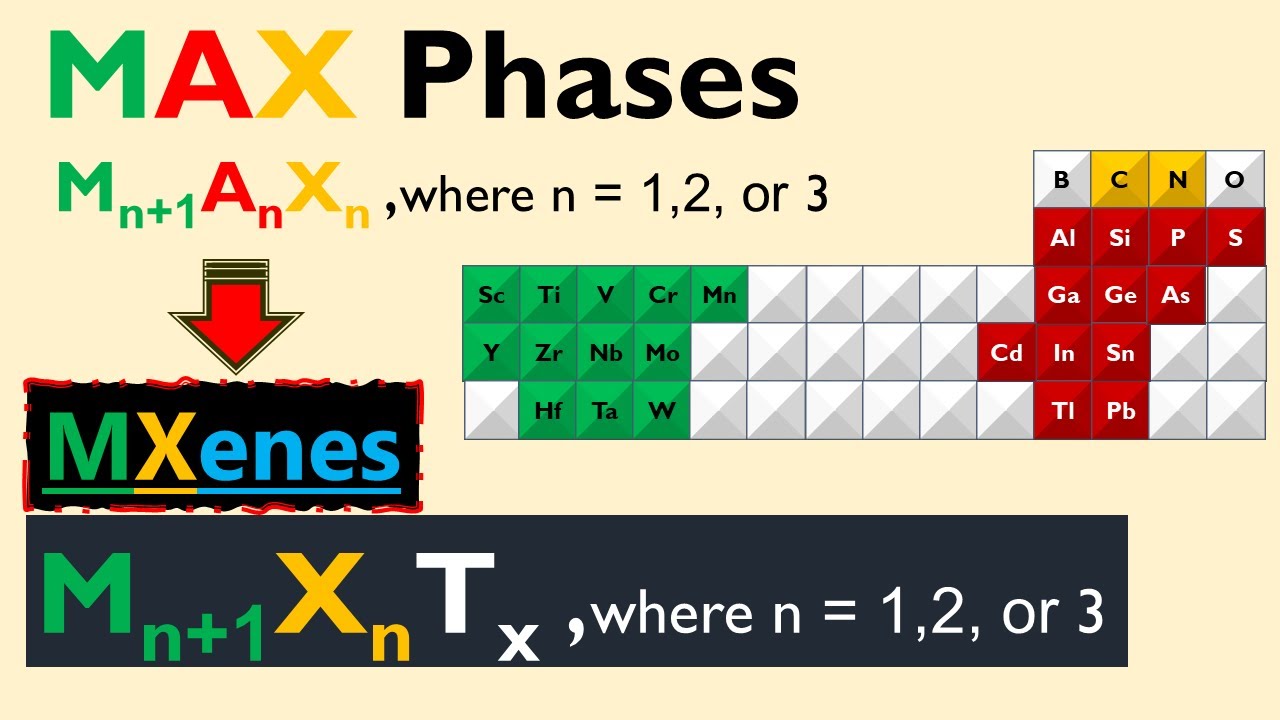
MAX phases follow the general formula Mn+1AXn (n = 1, 2, or 3), where M is an early transition metal, A is a group 13 or 14 element, and X is carbon or nitrogen. These layered ceramics combine metallic and ceramic properties due to strong M–X bonds and weaker M–A bonds.
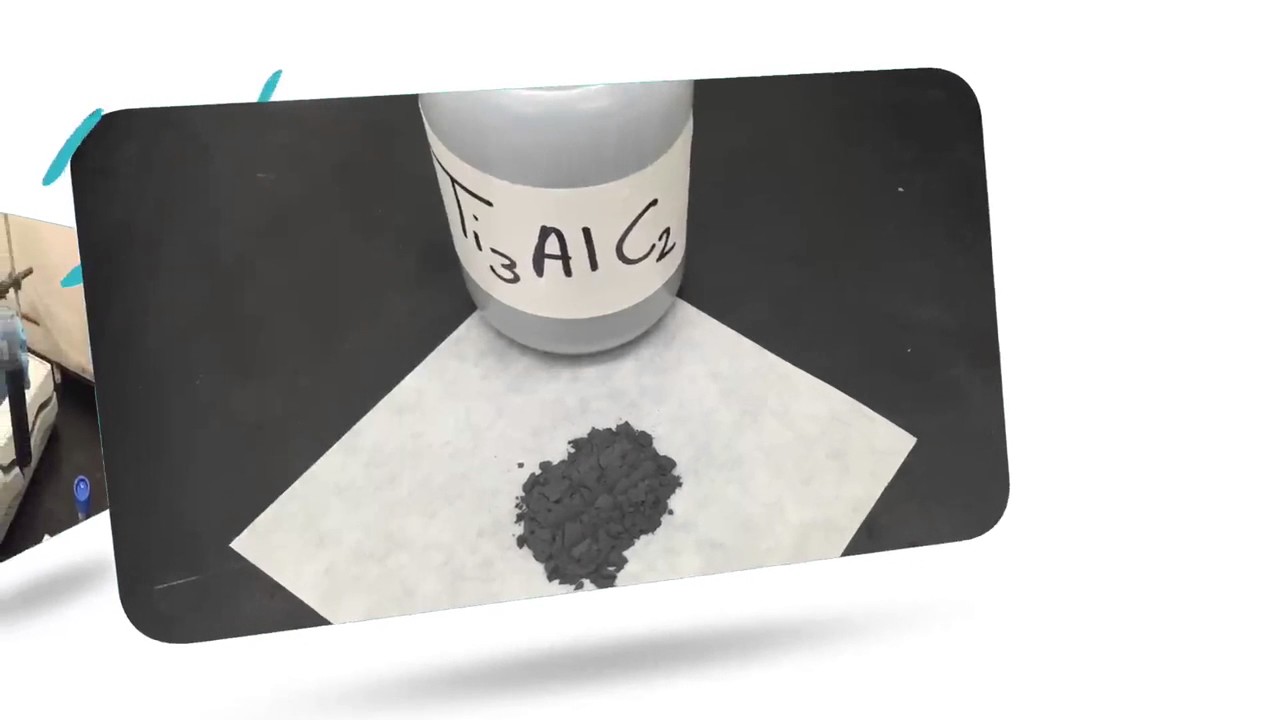
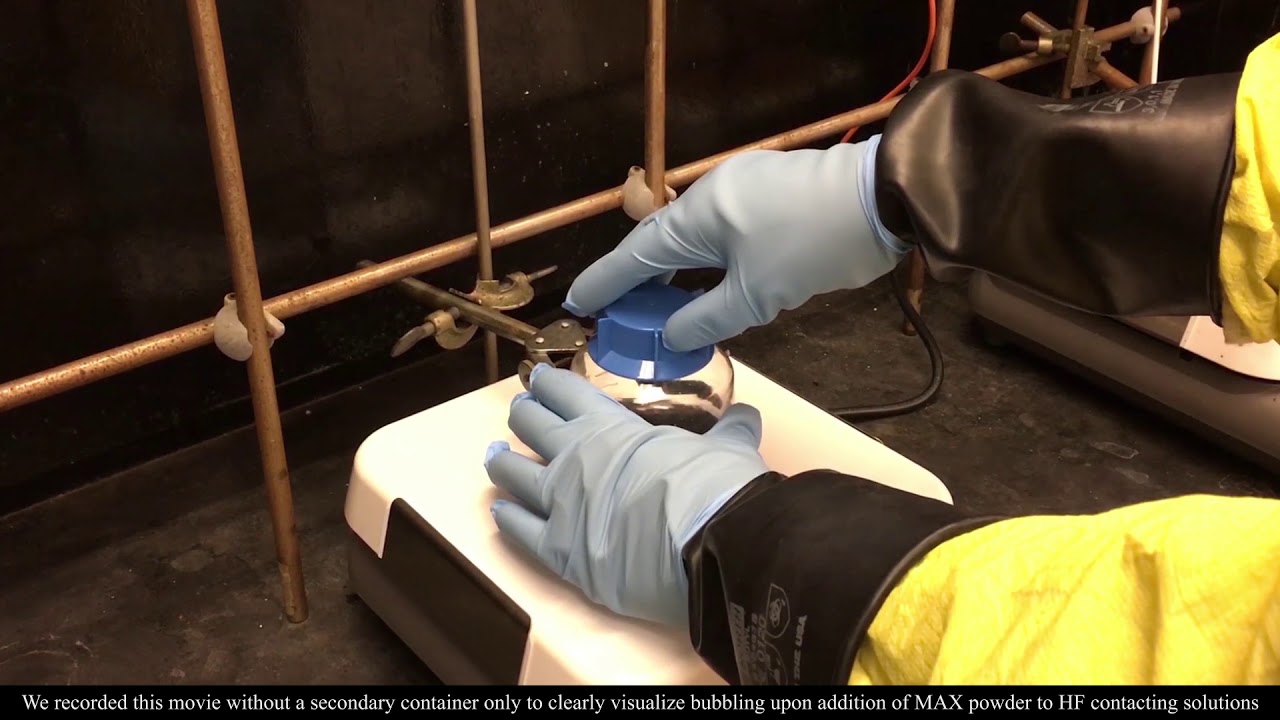
During MXene synthesis, the A layer is selectively etched, typically using hydrofluoric-acid-based or fluoride salt etching routes. This process preserves the Mn+1Xn layers while producing two-dimensional MXene sheets with surface terminations such as –O, –OH, –F, or –Cl. A well-known example is the conversion of Ti₃AlC₂ into Ti₃C₂Tₓ.
This video is useful for students, researchers, and engineers working in:
• 2D materials and nanomaterials
• MXene and MAX phase chemistry
• Energy storage, supercapacitors, and batteries
• EMI shielding and flexible electronics
• Materials science and solid-state physics
If you are learning about MXenes for the first time or want a clear conceptual explanation of their synthesis from MAX phases, this video will help you connect structure, bonding, and processing.
#MXenes
#MAXPhases
#2DMaterials
#Nanomaterials
#MaterialsScience
Повторяем попытку...
Доступные форматы для скачивания:
Скачать видео
-
Информация по загрузке: