de Havilland DH-82 Tiger Moth facts ✈️ Amazing Aircraft
Автор: Amazing Planet!
Загружено: 2021-05-31
Просмотров: 778
Описание:
#aircraft Aircraft facts. Military aircraft facts.
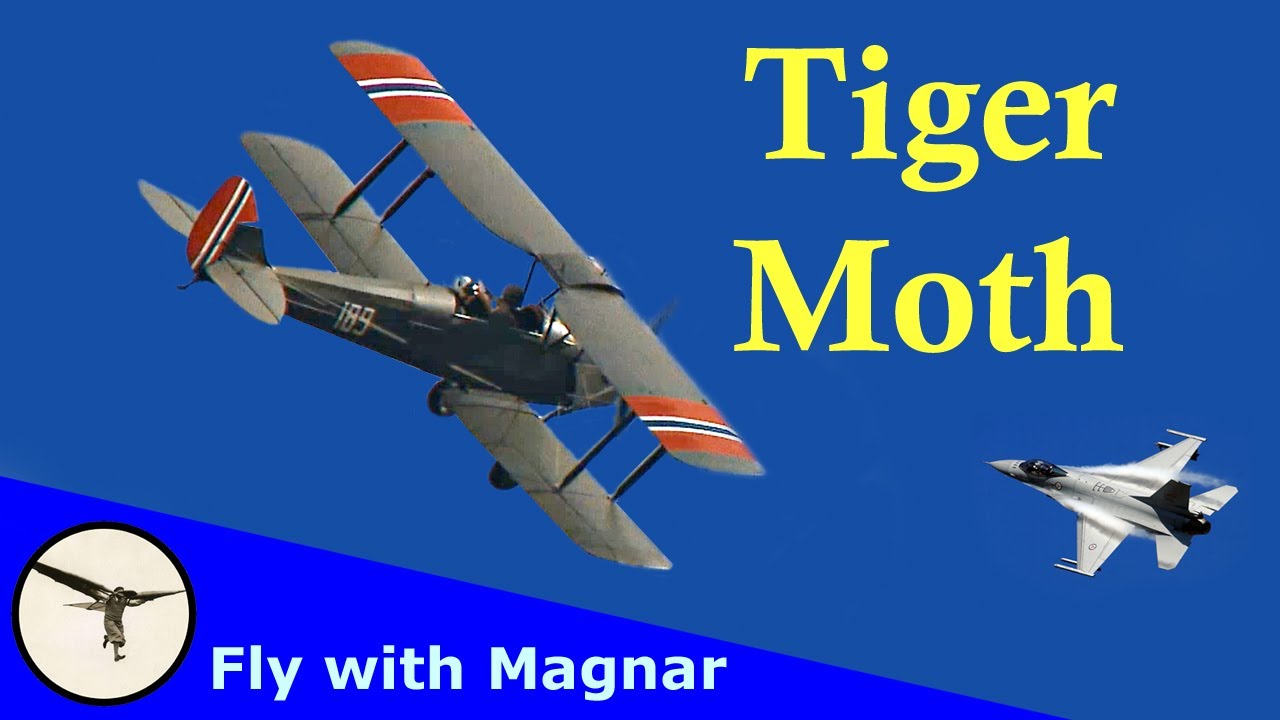
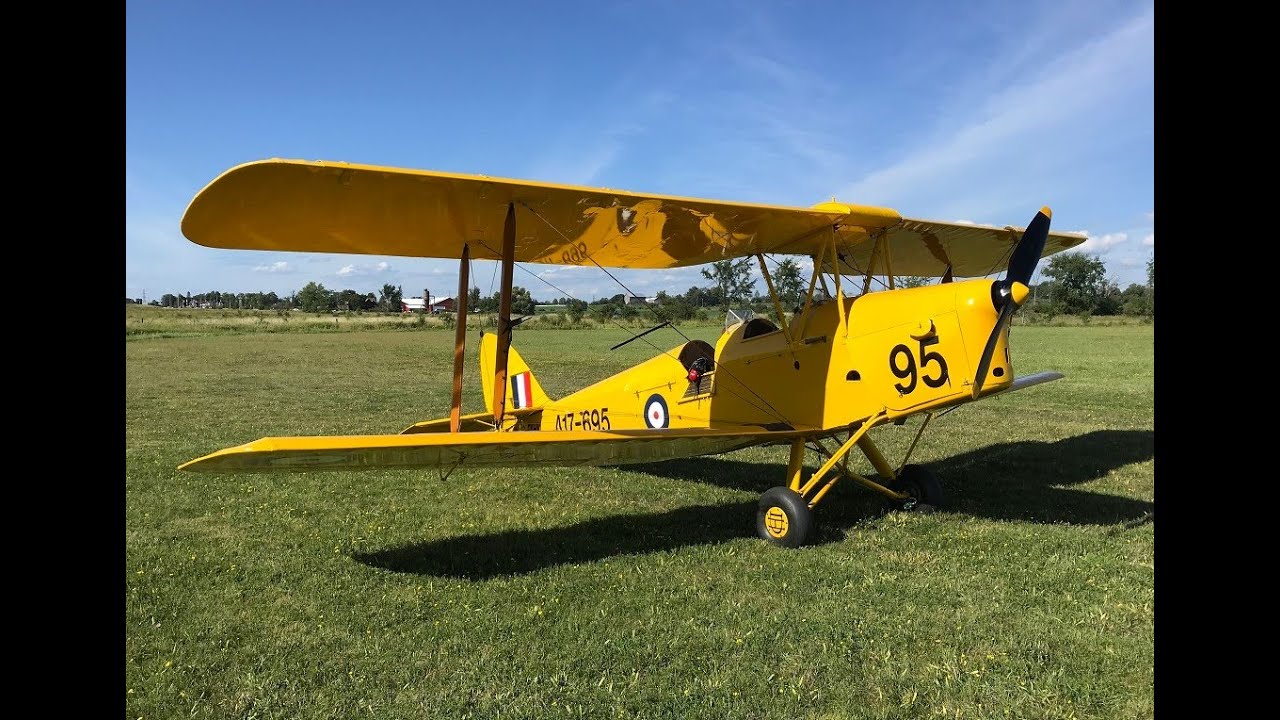
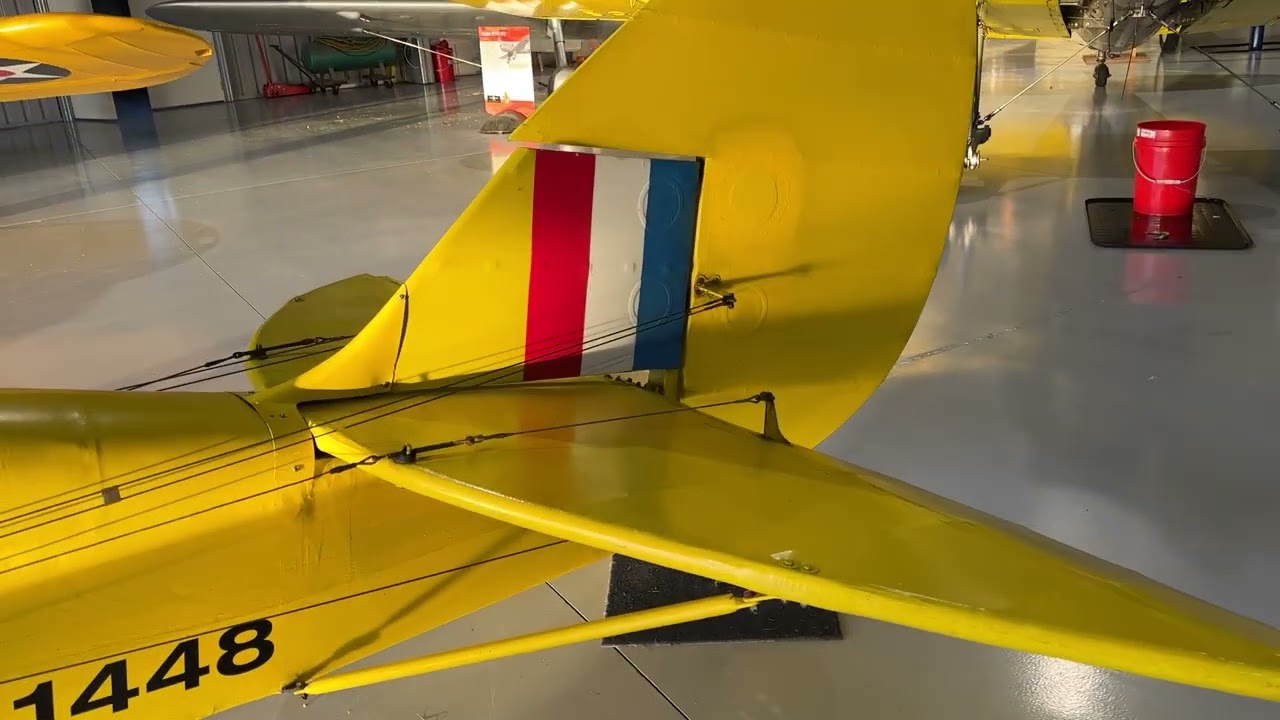
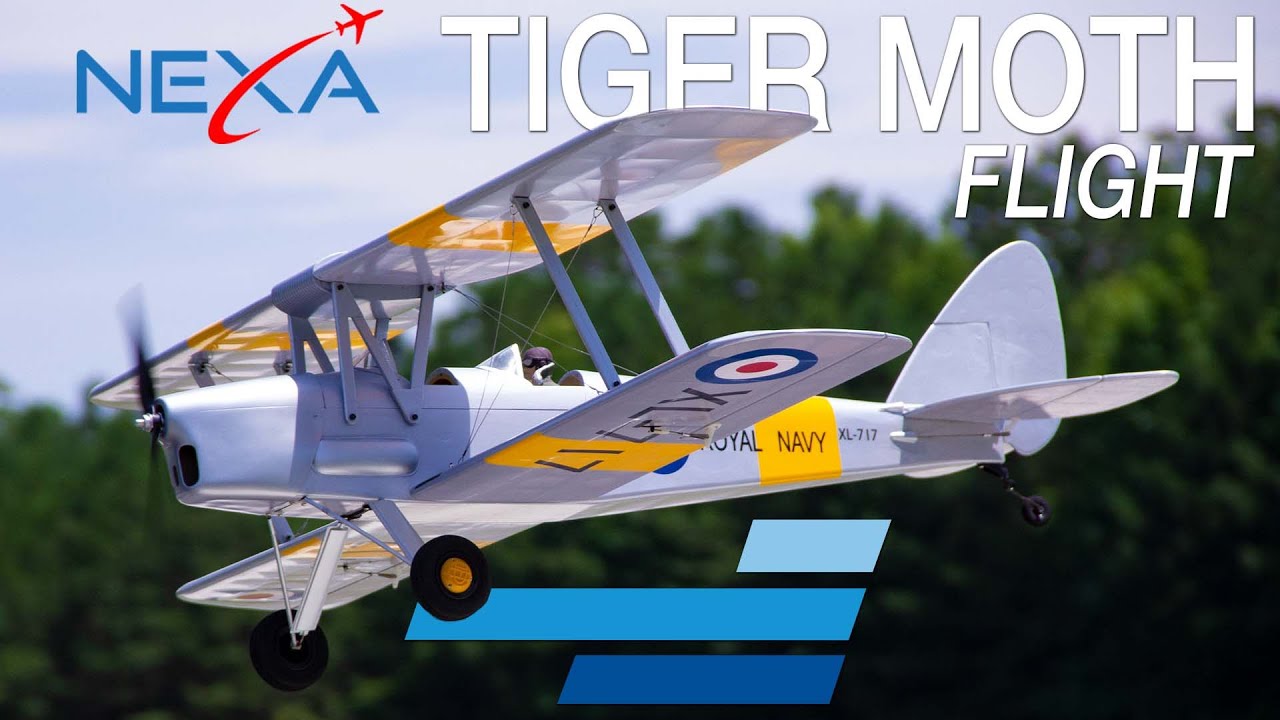
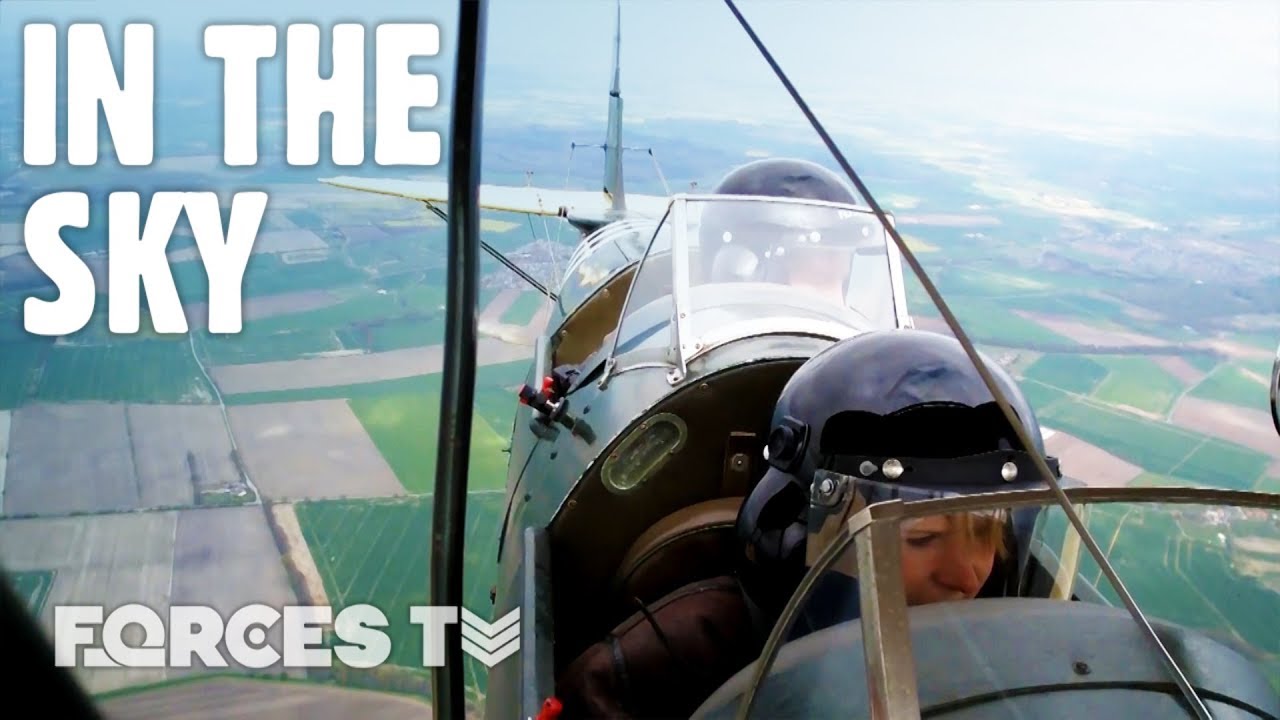
The de Havilland DH-82 Tiger Moth is a 1930s British biplane designed by Geoffrey de Havilland and built by the de Havilland Aircraft Company. It was operated by the Royal Air Force and many other operators as a primary trainer aircraft. In addition to the type's principal use for ab-initio training, the Second World War saw R-A-F Tiger Moths operating in other capacities, including maritime surveillance and defensive anti-invasion preparations; some aircraft were even outfitted to function as armed light bombers.
The Tiger Moth remained in service with the R-A-F until it was succeeded and replaced by the de Havilland Chipmunk during the early 1950s. Many of the military surplus aircraft subsequently entered into civil operation. Many nations have used the Tiger Moth in both military and civil applications, and it remains in widespread use as a recreational aircraft in several countries. It is still occasionally used as a primary training aircraft, particularly for those pilots wanting to gain experience before moving on to other tailwheel aircraft. Many Tiger Moths are now employed by various companies offering trial lesson experiences. The de Havilland Moth club, founded in 1975, is now an owners' association offering a mutual club and technical support.
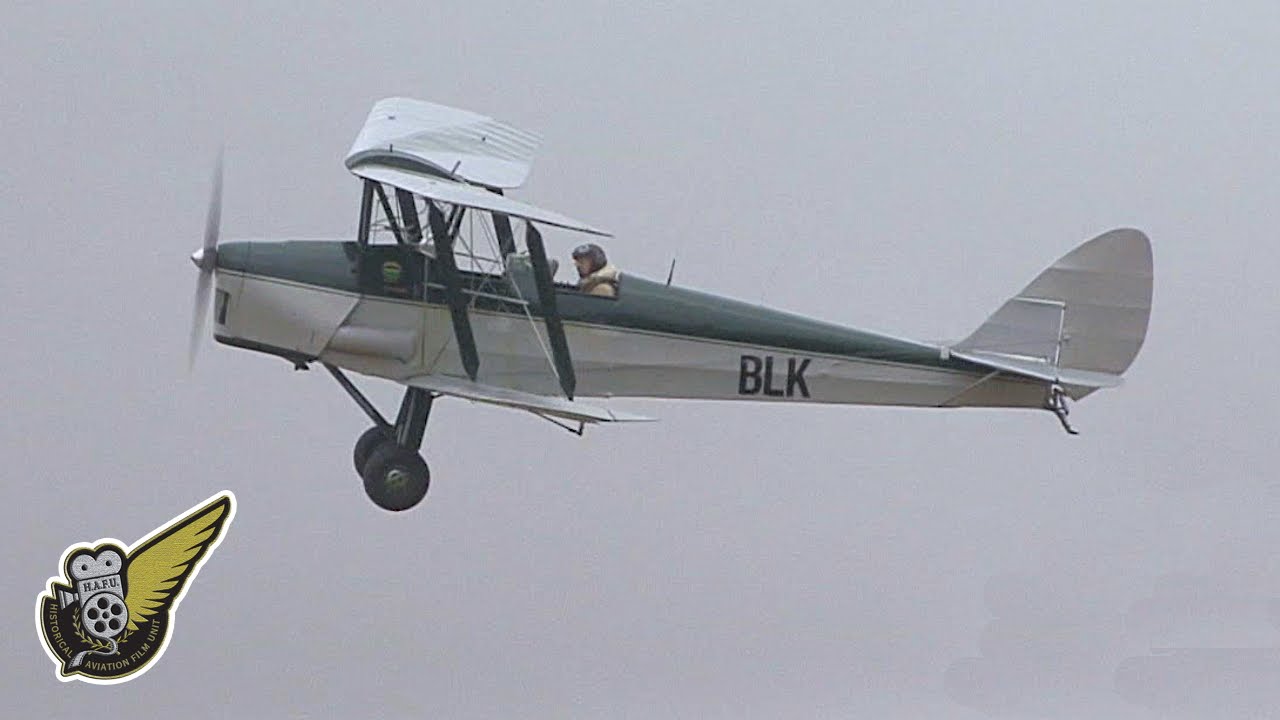
The de Havilland DH-82 Tiger Moth is a single-engine biplane light aircraft. It was developed principally to be used by private touring customers as well as for pilot instruction for both military and civil operators. It is typically powered by a de Havilland Gipsy-3 120 hp engine; later models are often fitted with more powerful models of this engine, while some have been re-engined by third-party companies.
One distinctive characteristic of the Tiger Moth design is its differential aileron control setup. The ailerons on a Tiger Moth are operated by an externally mounted circular bellcrank, which lies flush with the lower wing's fabric undersurface covering. This circular bellcrank is rotated by metal cables and chains from the cockpit's control columns, and has the externally mounted aileron pushrod attached at a point 45 degrees outboard and forward of the bellcrank's centre when the ailerons are both at their neutral position. This results in an aileron control system operating with barely any travel down at all on the wing on the outside of the turn, while the aileron on the inside travels a large amount upwards to counteract adverse yaw.
From the outset, the Tiger Moth proved to be an ideal trainer, simple and cheap to own and maintain, although control movements required a positive and sure hand as there was a slowness to control inputs. Some instructors preferred these flight characteristics because of the effect of "weeding out" the inept student pilot.
credits
https://vimeo.com/91391204
https://vimeo.com/2880873
https://vimeo.com/104950230
Повторяем попытку...

Доступные форматы для скачивания:
Скачать видео
-
Информация по загрузке:

![How This Failure Led to De Havilland's Success | DH.29 Doncaster [Aircraft Overview #69]](https://imager.clipsaver.ru/e9dAN0rjLeA/max.jpg)