Selecting Front end Technologies in Cloud Application|Cloud Native Applications|SNS Institutions
Автор: Kannan Msc
Загружено: 2026-01-16
Просмотров: 3
Описание:
#snsinstitutions
#snsdesignthinkers
#designthinking
Selecting the appropriate frontend technology for a cloud application is a strategic decision that directly impacts user experience, performance, scalability, and long-term maintenance. In a cloud-native environment, where applications often require real-time updates, high interactivity, and seamless scaling, the frontend stack must be modern, efficient, and well-integrated with backend API services. The selection process involves balancing developer expertise with the specific needs of the application.
Key Considerations
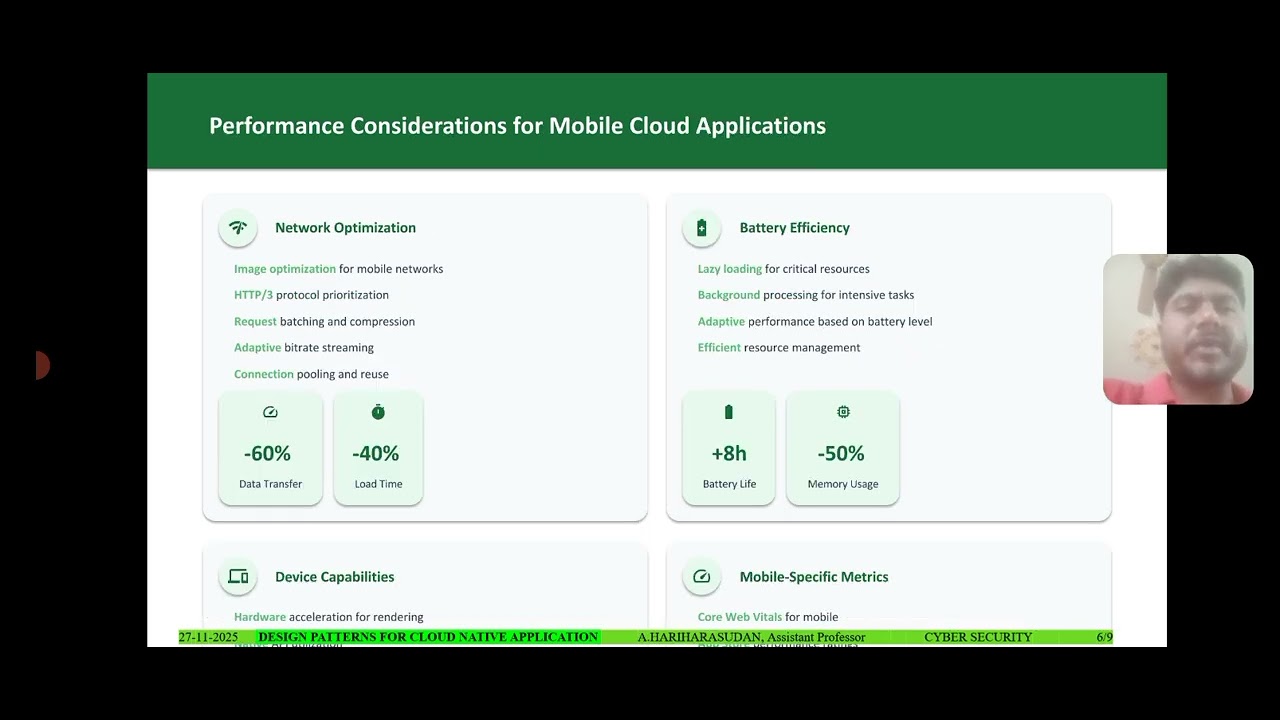
Performance and Speed: Cloud apps must load fast, even on mobile networks. Frameworks with efficient rendering (Virtual DOM) or compiler-based architectures are crucial.
Scalability and Architecture: The frontend must support component-based architecture to allow independent development of features, enhancing scalability.
Team Expertise: Leveraging a team’s familiarity with a language (e.g., JavaScript/TypeScript) significantly reduces time-to-market.
SEO and SSR: For public-facing cloud apps, server-side rendering (SSR) is essential for search engine optimization and initial load speed.
Top Frontend Technologies for 2025
React.js (with Next.js): As of 2025, React remains a top choice due to its massive ecosystem, component-based structure, and flexibility. Paired with Next.js, it offers excellent performance through Server-Side Rendering (SSR) and Static Site Generation (SSG), making it ideal for high-traffic, SEO-driven cloud applications.
Angular: Backed by Google, Angular is a robust, opinionated framework suited for large, complex enterprise-level applications. Its strong TypeScript integration, built-in dependency injection, and modular structure make it ideal for data-driven, long-term projects.
Vue.js (with Nuxt.js): Vue is lauded for its gentle learning curve and flexibility, often providing a "progressive" adoption model. It balances high performance with productivity, making it a strong contender for startups and SMEs needing to scale quickly.
Svelte/SvelteKit: A modern, compiler-first framework that shifts work to the build step rather than the browser, resulting in tiny bundles and exceptional runtime speed. Svelte is increasingly chosen for performance-critical applications.
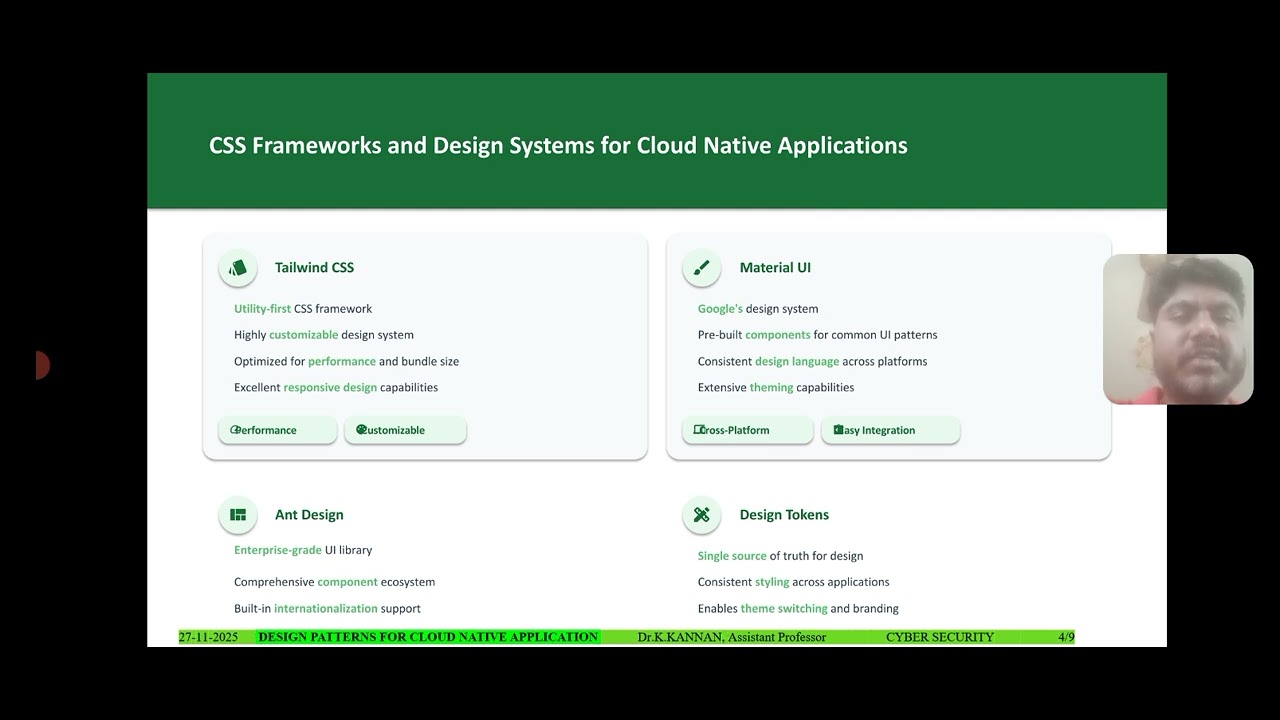
Tailwind CSS: For styling, utility-first frameworks like Tailwind are dominating in 2025, allowing developers to create custom designs directly within HTML, boosting development speed.
Strategic Best Practices
TypeScript by Default: For large-scale cloud apps, TypeScript is non-negotiable for enhancing code maintainability and catching errors early.
Embrace Micro-Frontends: To align with microservices backend architectures, break down the frontend into smaller, independently deployable units.
Prioritize Security: Ensure the frontend framework supports strong authentication and protection against common vulnerabilities (XSS, CSRF).
Повторяем попытку...
Доступные форматы для скачивания:
Скачать видео
-
Информация по загрузке: