What Machine Learning Models Do Actually || Lesson 8 || Machine Learning ||
Автор: Wisdomers - Artificial Intelligence Architect
Загружено: 2026-03-04
Просмотров: 5
Описание:
in this lesson we discuss what machine learning models do actually
0:00 what machine learning models do intro
0:22 recap of predictive models steps
1:06 mathematical representation of data
2:01 subscribe
2:26 data visualization linear form
2:56 non linear form representation
3:25 complex patterns hierarchal representation
Welcome back, Wisdomers. Today, we are going to build a visual intuition for what machine learning models are actually doing behind the scenes. Establishing this conceptual foundation now will make our upcoming technical lessons much easier to navigate. I encourage you to stay until the end to see how these patterns truly come together.
In our first class, we established the fundamental workflow for data-driven prediction. Let’s do a quick recap. The process begins with Data Collection—gathering the raw information. Next, we move to the most critical phase: Finding Patterns. This is precisely where Machine Learning models come into play; their entire purpose is to identify the hidden logic within data. Stay tuned, because later in this video, we will visualize multiple patterns and the complex relationships between them. Ultimately, it is these identified patterns that allow us to make accurate Predictions.
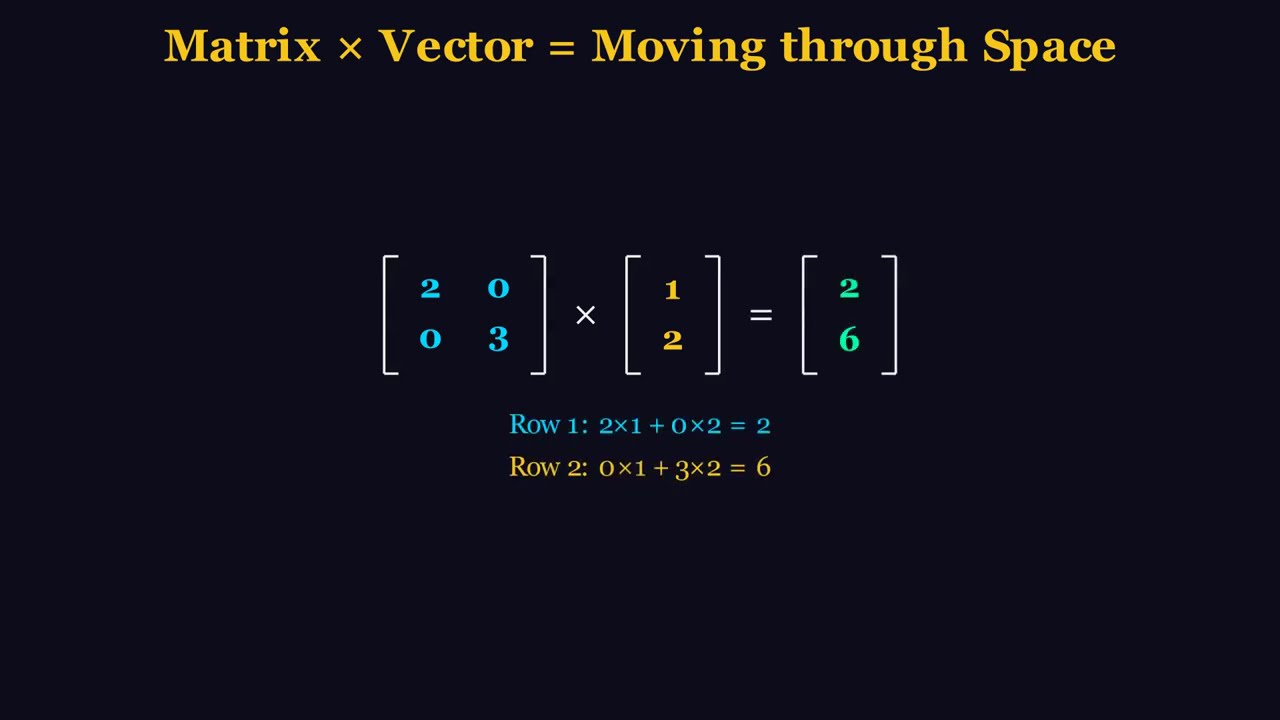
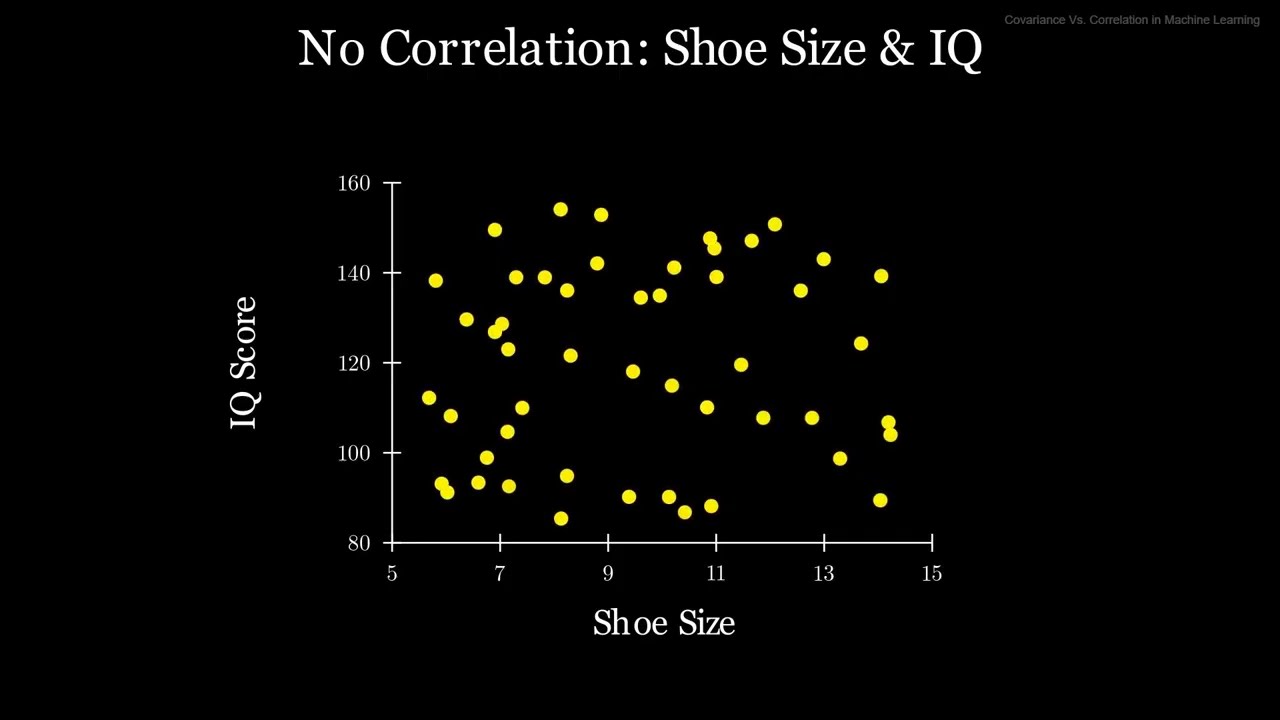
To truly master Machine Learning, we must first understand how data is mathematically represented. Let’s start with a simple example: a dataset where the Bill Amount is our input feature and the Tip Amount is our target. This relationship is represented within a two-dimensional coordinate system, where each point tells a specific story.
Now, consider a dataset with two input features and one output. To visualize this, we transition into a three-dimensional space, adding depth to our analysis. This logic scales infinitely; in real-world ML, if a dataset contains N features, the data is represented in an N-dimensional coordinate system. While we cannot physically see beyond three dimensions, the mathematical principles remain exactly the same.
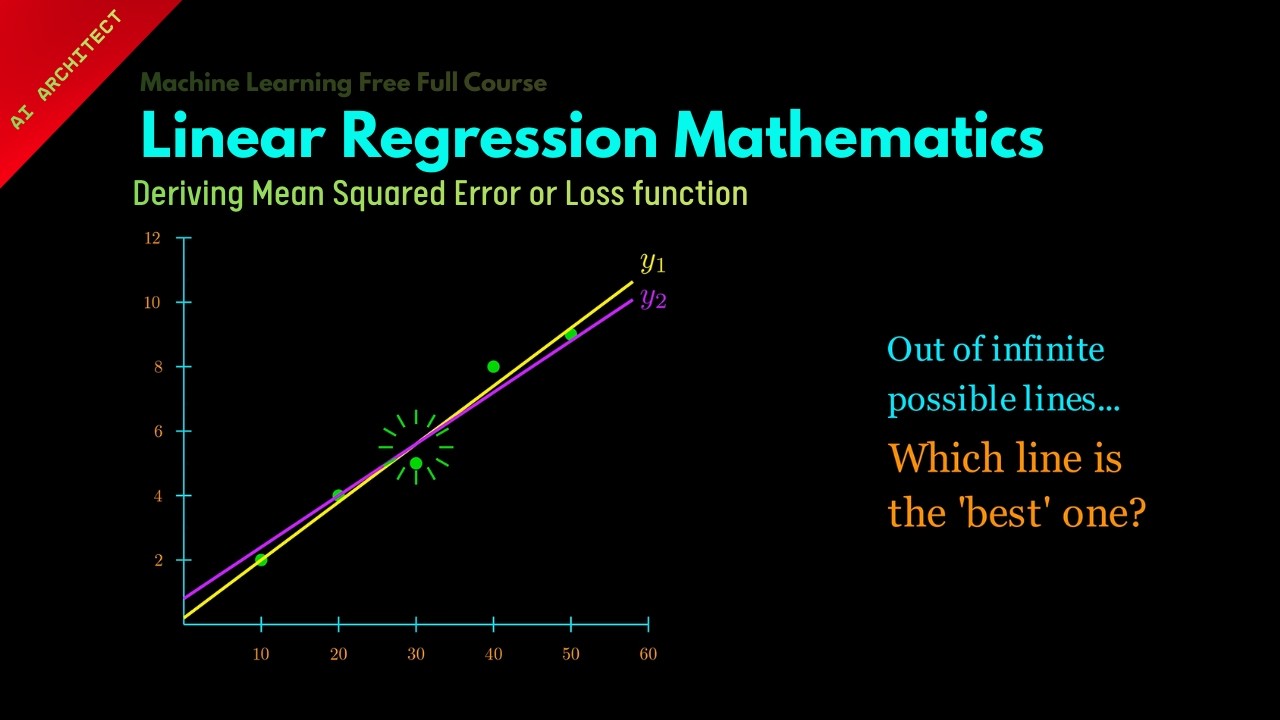
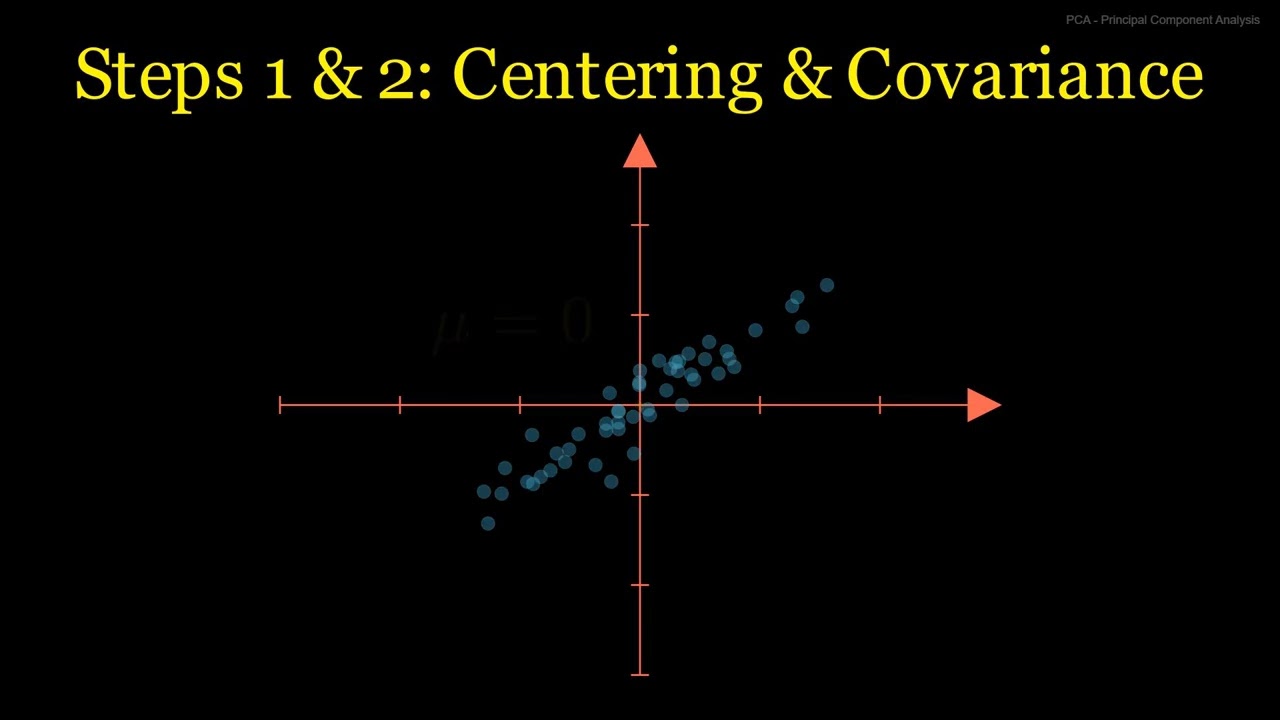
It’s time to explore the data through visualization, which provides deep insights into model behaviour. Take a look at the current plot: you’ll notice the data forms a straightforward linear pattern. To capture this trend, a basic line is all that is required. Here, the role of the machine learning model is to 'learn' or identify the specific line equation that matches our data distribution.
It is now time to examine some complex data patterns. As you observe the dataset, you will notice it exhibits a non-linear structure. One side displays a C-shape, while the other shows an inverted C-shape. Because a simple straight line is insufficient for identifying patterns in this data, we must utilize non-linear functions to accurately model these curvatures.
We will now analyze more complex data, where models implement hierarchical divisions to find patterns. This transition illustrates the core intuition of what these machine learning models truly do.
We trust that these foundational insights provide a clear framework for conceptualizing our upcoming curriculum and understanding the essential functions of machine learning.
visit of learning agent for quizes and projects
www.wisdomers.in
Повторяем попытку...

Доступные форматы для скачивания:
Скачать видео
-
Информация по загрузке: