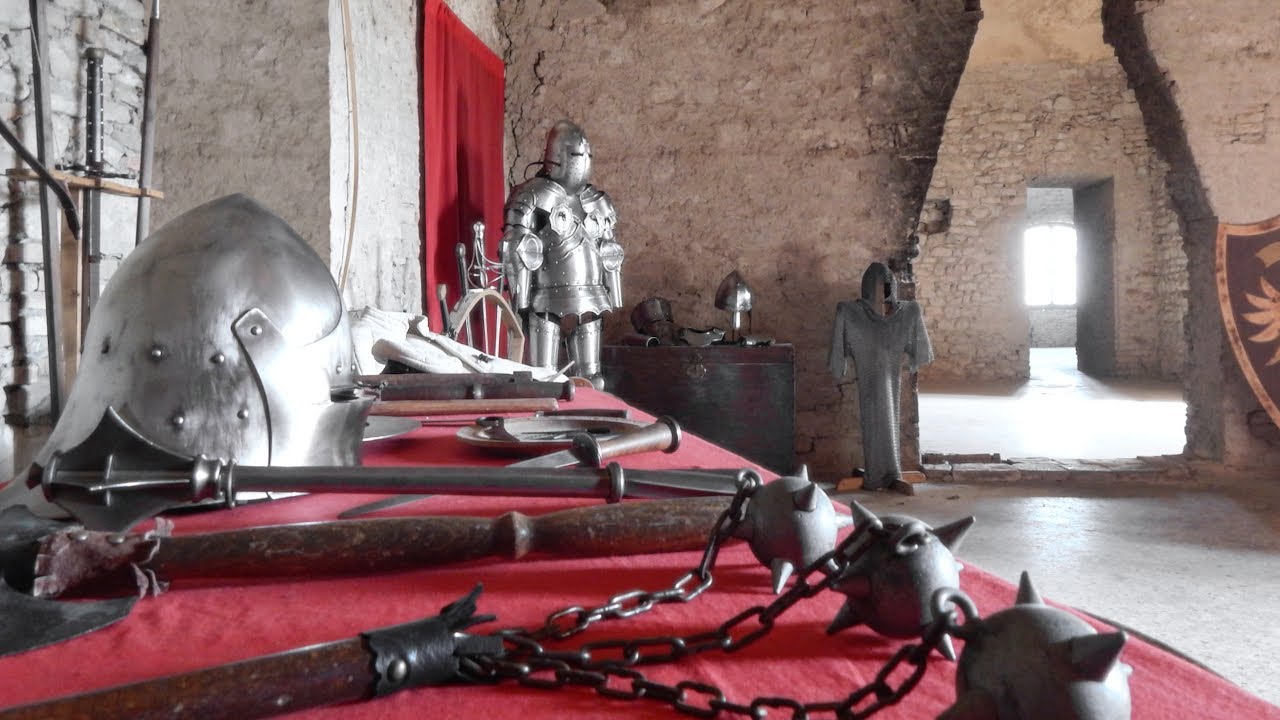
Pallavicino Castle, Varano de' Melegari, Parma, Emilia-Romagna, Italy, Europe
Автор: Pietro Pecco
Загружено: 2020-10-27
Просмотров: 822
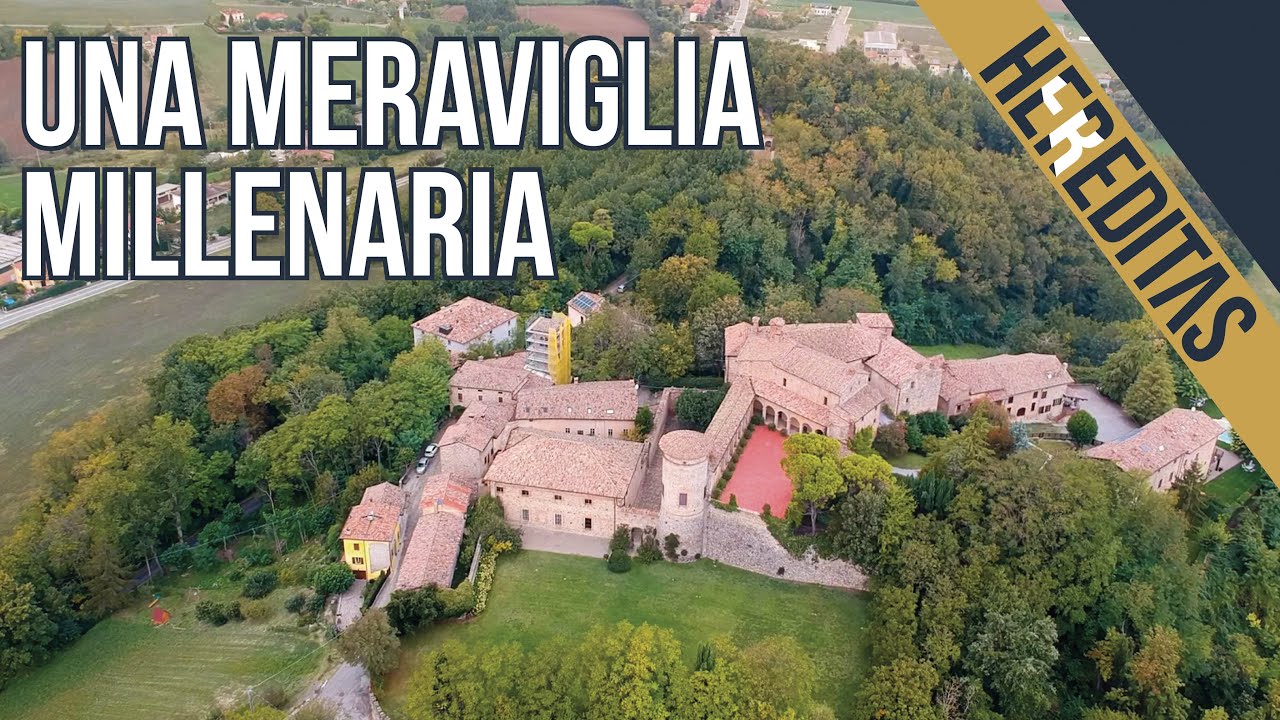
Описание: The Pallavicino Castle, also known as the Varano castle, is a fortress that rises in the town of Varano de' Melegari in the province of Parma, on the northern side of the Ceno valley. Between the 6th and 8th centuries, the Ceno stream represented a strategic area from a military point of view, as it constituted the border line between the territories of Parma and Piacenza; it is therefore reasonable to assume that even then there were places guarded over the watercourse and the roads that connected the plain with today's Liguria and Tuscany. The first source that documents the existence of the original defensive castle of Varano is the Chronicle Pallavicina, dating back to 1087, which attested its ownership to Uberto Pallavicino, nephew of Adalbert of Baden. In 1208 the manor was rebuilt at the behest of the Municipality of Parma, on the remains of the pre-existing 11th century fortification. In 1249 the Holy Roman Emperor Frederick II of Swabia invested the Marquis Oberto II Pallavicino with the fief of Varano. In 1297 the Municipality of Parma, hostile to the Ghibellines Pallavicino, destroyed the castle, decreeing not to rebuild any fortifications in Varano. Around 1400 the Pallavicini rebuilt the manor; during the clashes with the Rossi and Terzi for the control of some strategic places in the Parma plain, the manor was conquered by Ottobuono de 'Terzi, who handed it over to the Visconti. It was probably the latter who restored the castle, which was profoundly modified especially in the external aspect, with new fortifications and towers, more suited to the war requirements of the time. In 1431 the Marquis Rolando il Magnifico was invested with the castle of Varano by Duke Filippo Maria Visconti. However, in 1441 Niccolò Piccinino put Pallavicino in a bad light in the eyes of Visconti, who charged him with attacking the Pallavicino state; Rolando was forced to flee and all his fiefs were confiscated by the Duke of Milan. The latter in 1442 had Annibale I Bentivoglio imprisoned in the prisons of the manor of Varano, who was daringly freed on 6 June 1443 by Galeazzo Marescotti and four other Guelphs; back in Bologna, Bentivoglio led the victorious revolt against Niccolò Piccinino who ruled the city on behalf of the Visconti. In the meantime Rolando the Magnificent tried several times to regain possession of his possessions and in 1445 he gave proof of loyalty to the Visconti, who agreed to the return of almost all the confiscated lands, with the exception of Monticelli d'Ongina and some other fiefs donated to Piccinino. In 1452 the marquis restructured the castle of Varano, giving it its present appearance; upon his death in 1457, the fiefdom was inherited by his son Nicolò. In 1480 the castle passed to the Sforza and was immediately alienated from the Duke Gian Galeazzo to the Marquis Gianfrancesco I Pallavicino di Zibello. In 1550 the fortress was sacked by bandits who killed the Marquis Gian Francesco Pallavicino; the fief then passed to his brother Roberto. The following year the castle was occupied during the Parma War, which opposed Duke Ottavio Farnese, supported by the French King Henry II, and Pope Julius III, allied with Ferrante I Gonzaga, governor of Milan for the Emperor Charles V of Habsburg. At the end of the conflict, the Pallavicinos regained possession of the manor. In 1770 the castle was restored at the behest of the Pallavicino family, but in 1782 the last Marquis Ercole Pallavicino, archpriest of the Cusignano parish, died, extinguishing the Varano branch of the family; all its assets were inherited by the Marquises Bergonzi, who maintained their feudal rights until 1805, when the Napoleonic edicts sanctioned their abolition. In 1828 the castle was bought by the Grossardi nobles, who were replaced at the beginning of the 20th century by the Levacher, who occupied it until the death of the last descendant; the engineer Rolando Levacher made a series of changes to the interiors in the early twentieth century, adapting the rooms on the main floor to the needs of the time. In 1965 the fortification was sold to the brothers Giuseppe and Ermanno Tanzi and finally in 2001 the Municipality of Varano de 'Melegari became the owner, who opened it to the public.
Повторяем попытку...

Доступные форматы для скачивания:
Скачать видео
-
Информация по загрузке: