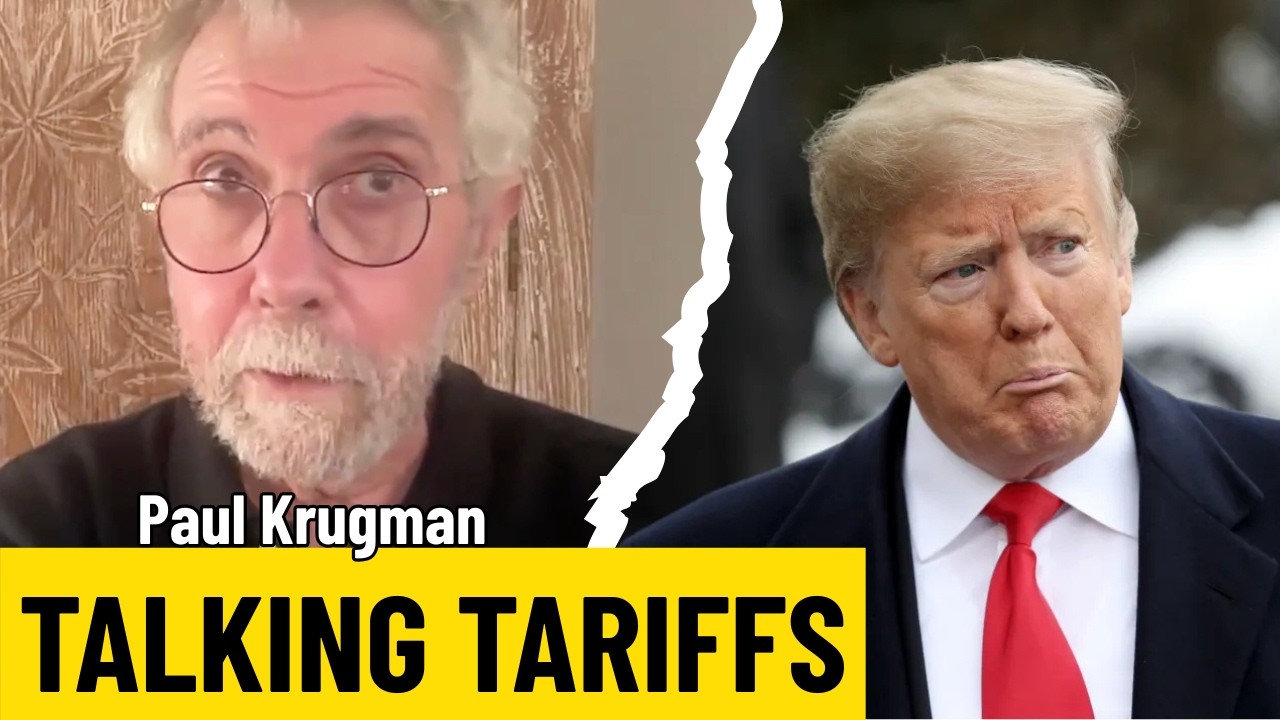
Are Tariff “Deals” Real? Justin Wolfers On Bluffs, Breaches, And Reality
Автор: Justin Wolfers
Загружено: 2026-02-21
Просмотров: 34586
Описание:
What is a tariff supposed to *do*—create leverage, bring manufacturing home, or just raise cash?
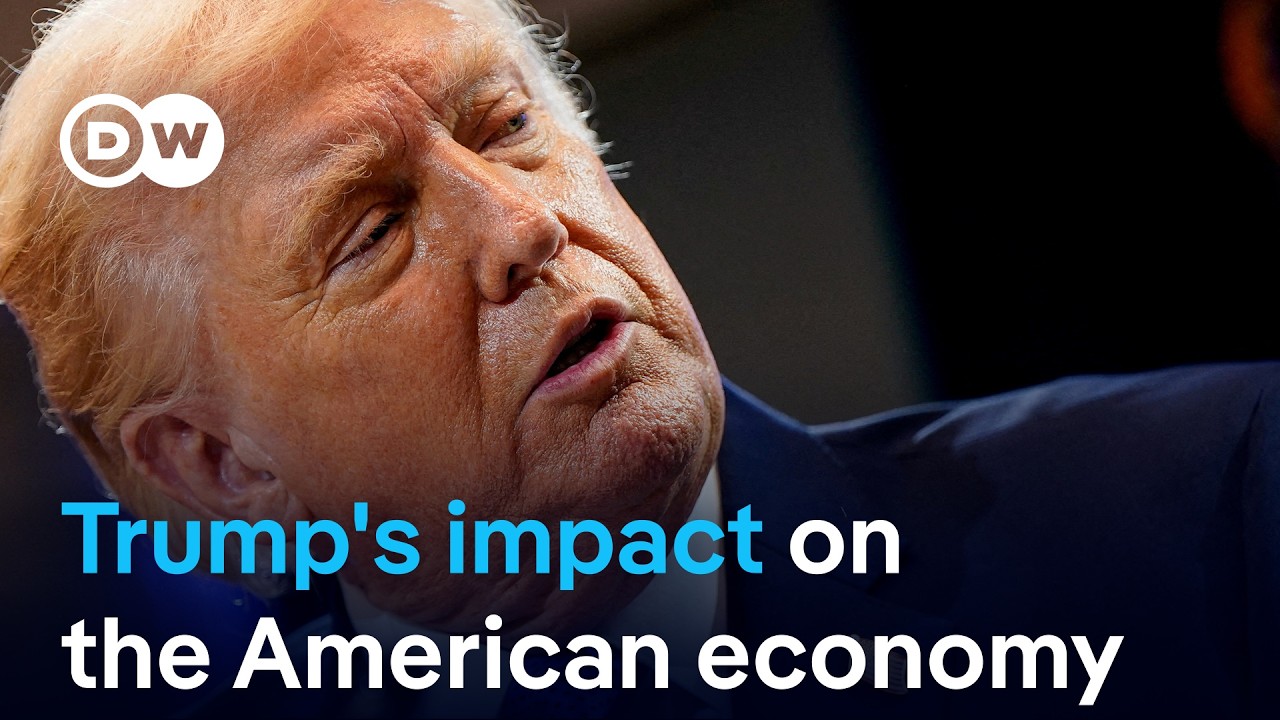
After the Supreme Court ruled the president’s sweeping emergency tariffs illegal, a new 10% tariff was announced—but with a 150‑day clock. That time limit matters. If other countries can simply wait it out, a temporary tariff isn’t much of a bargaining chip.
The administration also claims tariffs will onshore manufacturing. But firms don’t break ground on new factories based on policy that can expire before the first concrete sets. Short-term tariffs mostly create uncertainty—and uncertainty freezes investment.
So what is left? A temporary tariff can still raise revenue, but that revenue comes from American consumers in the form of higher prices. In other words: it functions more like a tax than an industrial strategy.
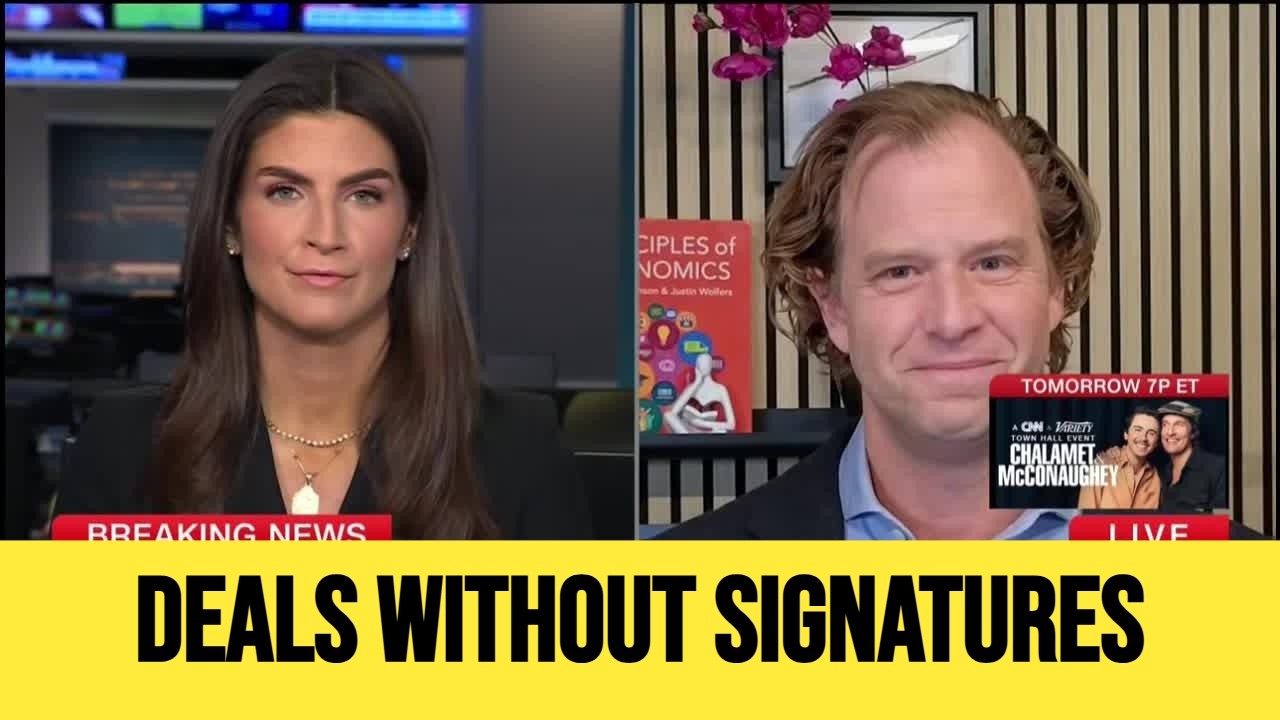
The bigger issue is credibility. If “deals” are announced without signatures—and then previous commitments are quickly breached—other countries learn to treat trade talks as PR, not durable agreements.
Stakes: When tariffs are used as political theater rather than economic strategy, you and your family can end up paying more at the store while businesses delay hiring and investment.
Topics covered:
Why a 150‑day tariff doesn’t create real negotiating leverage
How temporary trade policy changes incentives for other countries
Why onshoring requires stable, long-term policy
How tariffs raise revenue—and who actually pays
The difference between press-conference “deals” and signed agreements
How credibility affects future trade negotiations
Why prices may not move immediately, even with new tariffs
Contents:
0:00 Court blocks emergency tariffs—what changed?
0:28 What is a tariff supposed to achieve?
1:05 Why 150 days isn’t leverage
1:35 Why temporary tariffs won’t bring factories back
2:05 “Deals” without signatures—and broken commitments
2:46 What Americans should expect on prices
3:12 The bigger economic cost: uncertainty
🎯 Key takeaway: A short-term tariff is mostly a consumer tax—and a weak tool for investment or real trade deals.
Subscribe for more no-drama economics—because unlike tariffs, good analysis shouldn’t expire in 150 days. 📉📌
CNN | The Source | Feb 20, 2026
Повторяем попытку...
Доступные форматы для скачивания:
Скачать видео
-
Информация по загрузке: