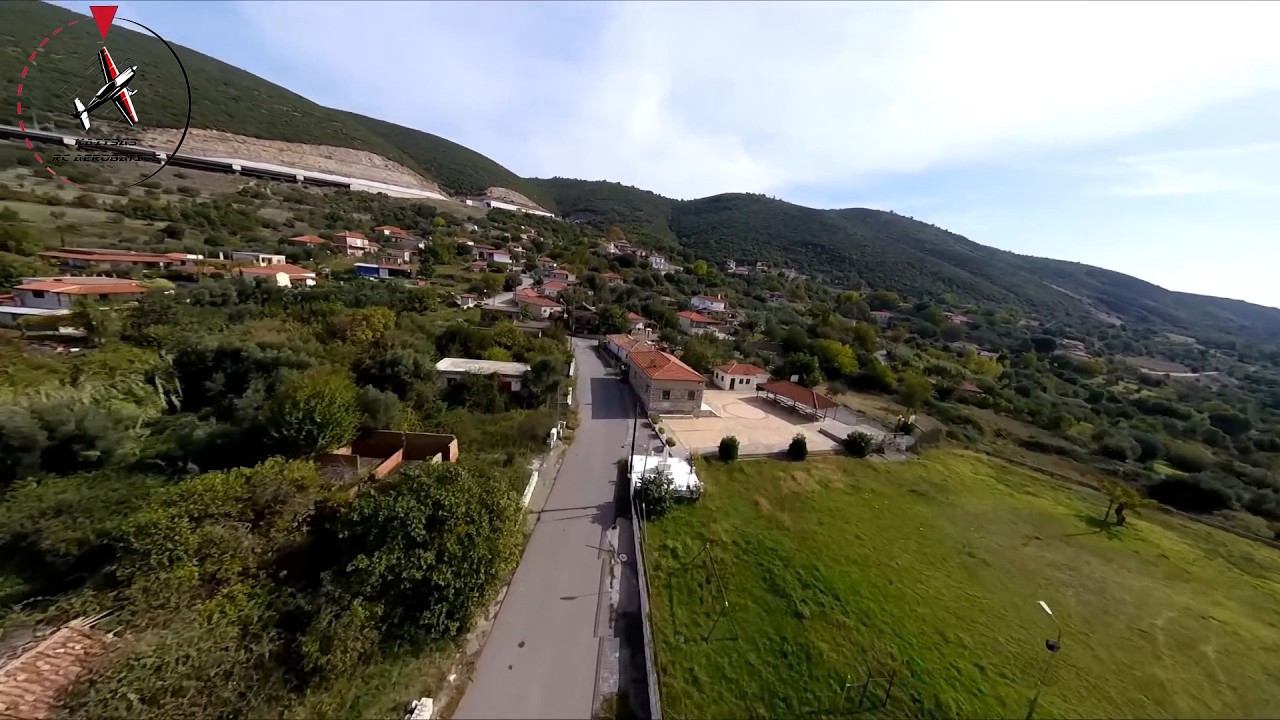
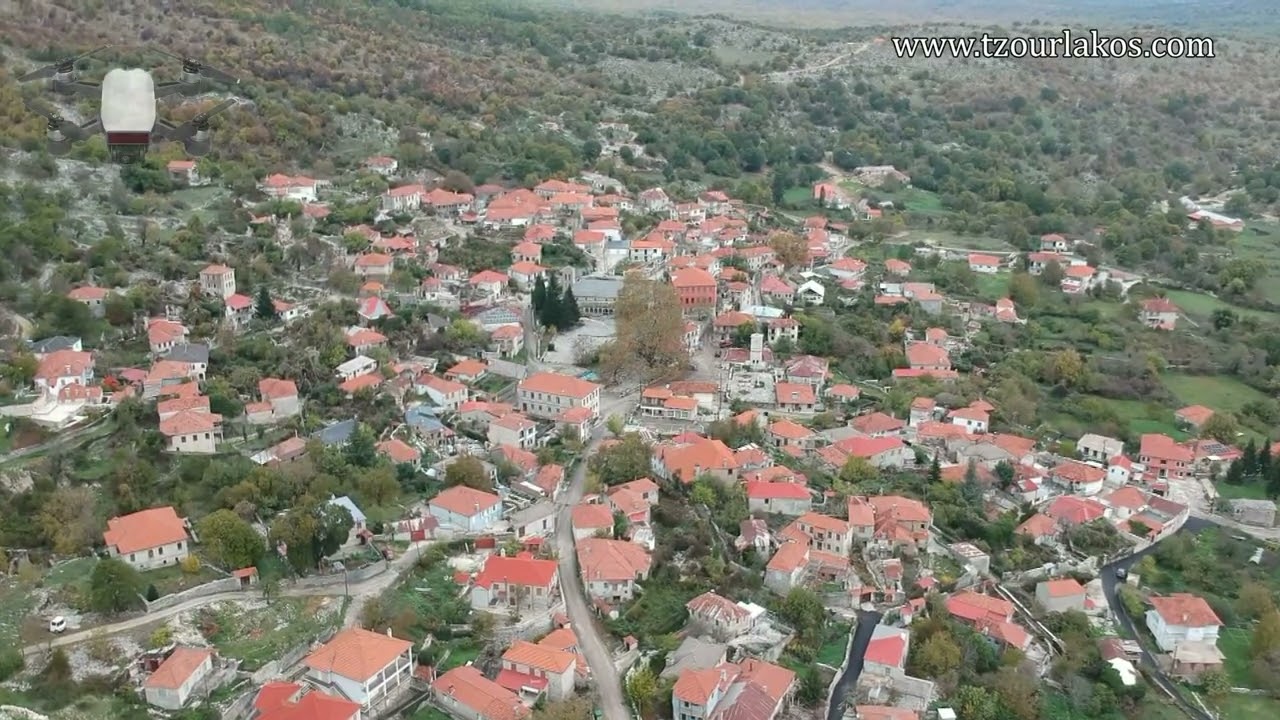
Ωραιόκαστρο Πωγωνίου Ιωαννίνων Ήπειρος.Πτήση drone dji
Автор: Τζουρλάκος 'Ή Ήπειρος του Πολιτισμού και τών αξιών
Загружено: 2023-04-18
Просмотров: 497
Описание:
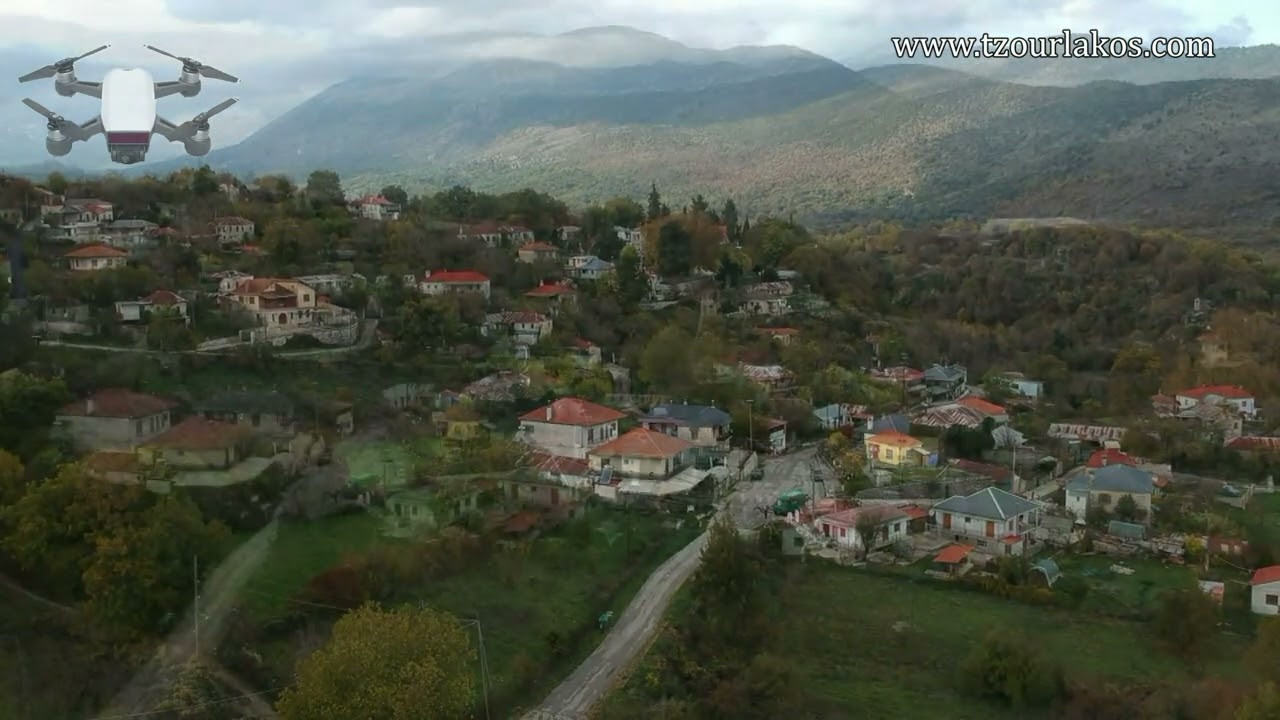
#ioanninagreece #droneflight #i_gi_apo_psila #DJI_SPARK Μέσα από μια πτήση drone γνωρίστε τo πανέμορφο χωριό Ωραιόκαστρο Πωγωνίου Ιωαννίνων Ελλάδα.
Η πτήση drone έγινε τον Νοέμβριο 2022
Φίλες και φίλοι καλώς ορίσατε στό κανάλι μου.
Στόχος μου είναι να γίνουμε όλοι μαζί μια μεγάλη οικογένεια, μια δυνατή Ηπειρώτικη διαδικτυακή οικογένεια! !
Κάντε εγγραφή στο κανάλι μου, πατήστε ένα λάικ αν σας αρέσουν τα βίντεό μου, αφήστε τα σχόλια και τις παρατηρήσεις σας. Εδώ φιλοδοξώ να γίνει τόπος συνάντησης τής παράδοσης τής περιήγησης στα ακριτικά μας χωριά,και της φιλοξενίας.
https://www.tzourlakos.com
Η Ηπειρώτικη Ιστοσελίδα!!!
Through a drone flight, get to know the beautiful village of oraiokastro Pogoni, Ioannina Hellas.
The drone flight took place in November 2022
Friends, welcome to my channel.
My goal is to all become one big family together, a strong Epirotian online family! !
Subscribe to my channel, press a like if you like my videos, leave your comments and observations. Here I aspire to become a meeting place for the tradition of visiting our rural villages, and for hospitality.
Oreokastro is a village of the Local Community with the same name belonging to the Municipal Unit of Ano Pogoni of the Municipality of Pogoni in the Region of Epirus. Until 1955 it was called Lachanokastro. It is built on both banks of the river Gormou which originates from Mount Meropi (Nemertzika) and flows into Kalamas. It is built on the slopes of Mount Koutsokranos in a position that provides a nice view over the plain of the same name. On the left side of the river are the ruins of the Acropolis of Lachanokastro which dates from the 3rd BC. century and still retains elements from the medieval period. For the etymology of the word "Cabbage Castle" there are several versions, of which the prevailing explanation is that the castle is located in an area rich in crops: cabbages. Another version that it was a great city-fortress of the Chaonians, Haanokastro which became Lachanokastro. There is also an interpretation about a Byzantine Lachanas from which the specific Castle took its name.
Today: Today, despite the general demographic desolation of the Pogoni District, Lachanokastro is trying to keep itself alive thanks to its natural beauties. Near the village is the artificial waterfall at the place "Desi", in an area with rich vegetation, the source of the river Gormos (Glava), the source of Kefalovryso, a watermill with two water mills, as well as the stone double-arched bridge "Katogefyro". There are two restaurants-cafes and a Guest House. The abundant water allows the cultivation of horticulture in the plain of the same name.
The area around the village has been inhabited since the Paleolithic era, as evidenced by the excavations of mounds in the Gormou River Valley dating back to the 7th millennium BC. Traces of life can also be seen in the Bronze Age, as evidenced by a bronze leaf-shaped spearhead from the Late Bronze Age (1,500-1,000 BC) as well as the discovery of three box-shaped tombs.
North of the village and on the left bank of the Gormou is the homonymous hill Lachanokastro, around which traces of ancient fortifications from Hellenistic and Roman times (3rd-1st century BC) can be seen. Today, the remains of at least two ancient gates (one arched) and at least three towers (one semicircular) are preserved. The ancient castle has large later additions and repairs to such an extent that the Byzantine or medieval use of the space dominates in post-Christian centuries. The two later enclosures of approximately 550 m and 750 m (inner and outer) are built along the lines of the ancient fortification. At the location "Meterizia" there are traces of the existence of an ancient settlement, while there is a deep cave in the area.
Повторяем попытку...
Доступные форматы для скачивания:
Скачать видео
-
Информация по загрузке: