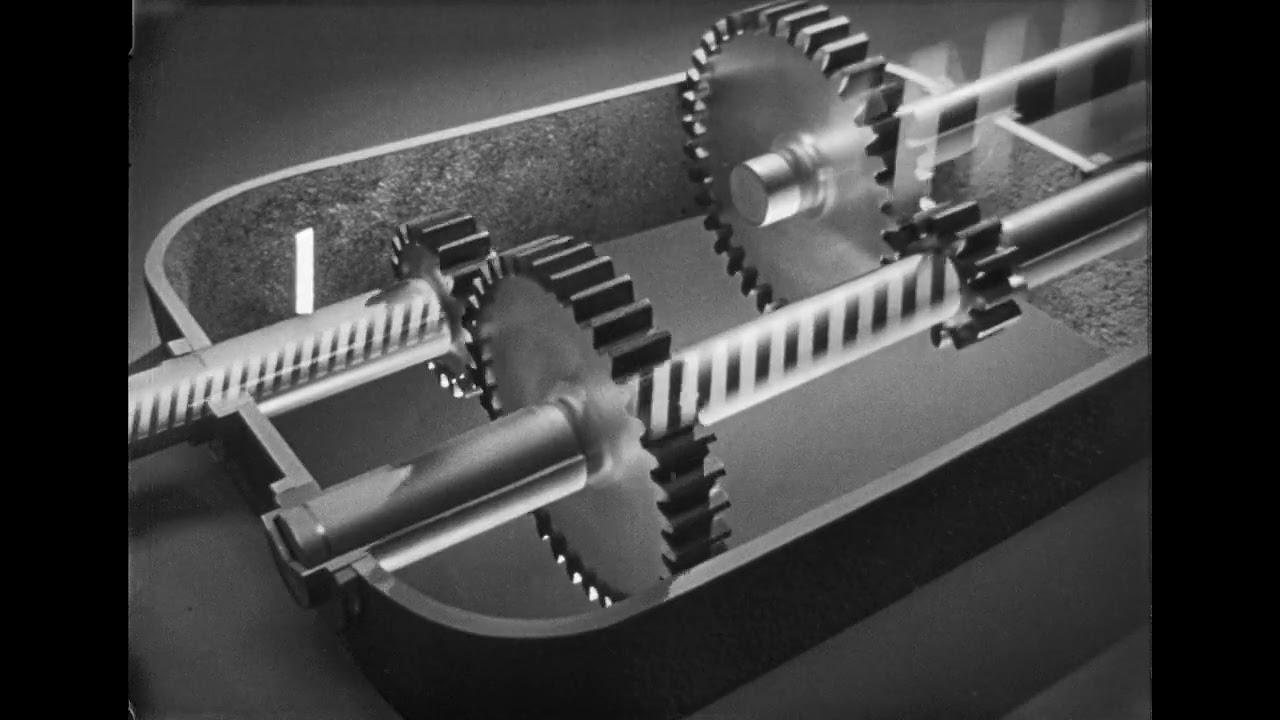
Photonic Laser Propulsion: Testbed Demonstration
Автор: Y.K. Bae Corporation
Загружено: 2022-10-21
Просмотров: 373
Описание:
This methods video presents the establishment of a precision testbed for investigating Photonic Laser Thruster, the core engine of Photonic Laser Propulsion (PLP), a transformative approach to space propulsion. PLP utilizes large-scale, high-finesse, actively stabilized optical resonators to enhance photonic thrust by thousands of times greater than conventional beamed laser propulsion systems such as Breakthrough Starshot.
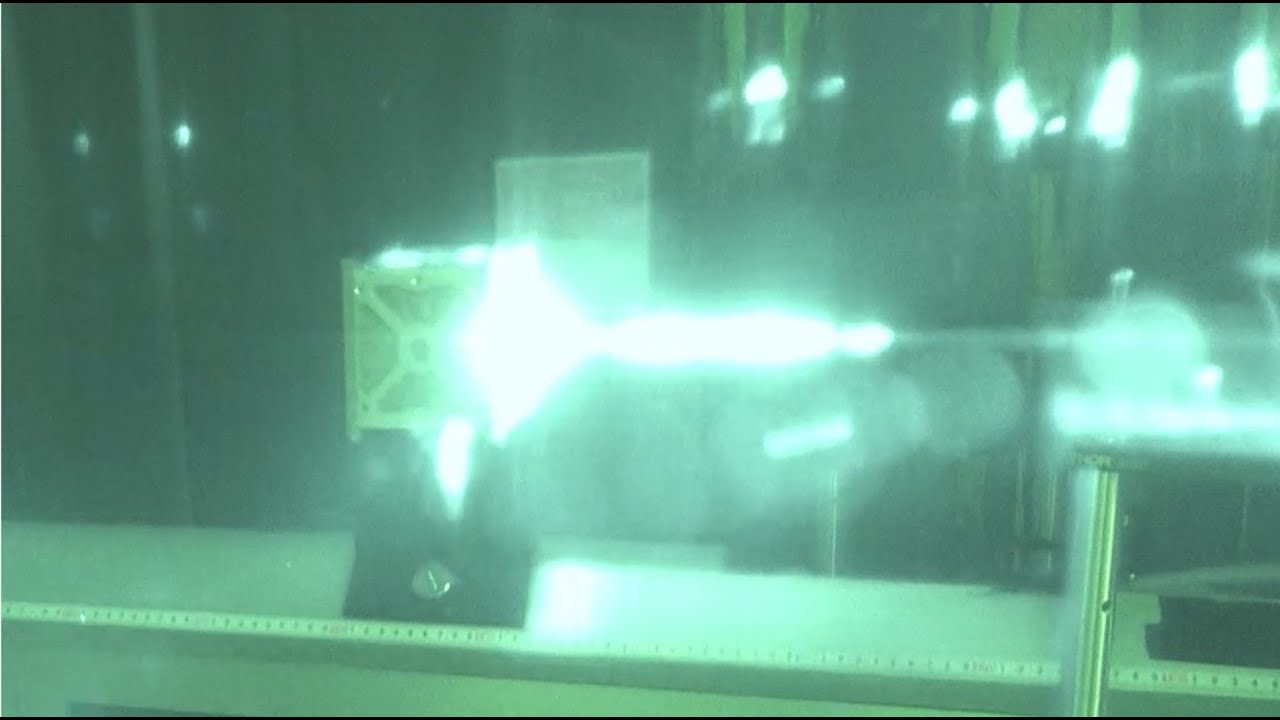
The testbed enables direct, high-accuracy measurement of photonic thrust through a radiation pressure sensor, which detects the force exerted by an intense, circulating laser beam on a high-reflectivity (HR) mirror inside the optical cavity. Experiments were conducted in a Class 1000 cleanroom to minimize particulate interference, and the HR mirror was positioned horizontally to reduce convective thermal noise from rising air currents.
A defining feature of the setup is its ability to directly infer intracavity circulating laser power by measuring the radiation force on a 45° flat HR mirror with reflectivity of ~0.999, mounted on the sensor. This configuration permits simultaneous reflection and force detection with high fidelity. For instance, a force measurement of 0.1 grams corresponds to approximately 104 kW of continuous-wave (CW) circulating power, producing about 0.69 millinewtons of photonic thrust on a mirror with 90° beam incidence.
Measurement accuracy was verified through comparison with an independent optical method: laser power leakage through the end HR mirror, which has a precisely characterized transmittance (±3%). The two approaches yielded results consistent within 10%. The radiation pressure sensor exhibited a rapid response time of under 3 seconds—significantly faster than the thermopile laser power meter, which required over 30 seconds.
Thermal artifacts from laser absorption at the 45° mirror were identified as a primary source of systematic error and were effectively mitigated by coupling the mirror to a 450-gram aluminum heat sink, significantly improving thermal stability.
Detailed technical findings and methodology are provided in Chapter 6 of Photonic Laser Propulsion and in the peer-reviewed article:
Bae, Y.K. (2021). Photonic Laser Thruster: 100 Times Scaling-Up and Propulsion Demonstration. Journal of Propulsion and Power, 37(3), 400–407. DOI: 10.2514/1.B38144
Повторяем попытку...

Доступные форматы для скачивания:
Скачать видео
-
Информация по загрузке:

![Как работают очки ночного видения? [Veritasium]](https://imager.clipsaver.ru/qIbMPHTXnAU/max.jpg)

![Эффект Джанибекова [Veritasium]](https://imager.clipsaver.ru/N9HlQ-XVnFk/max.jpg)