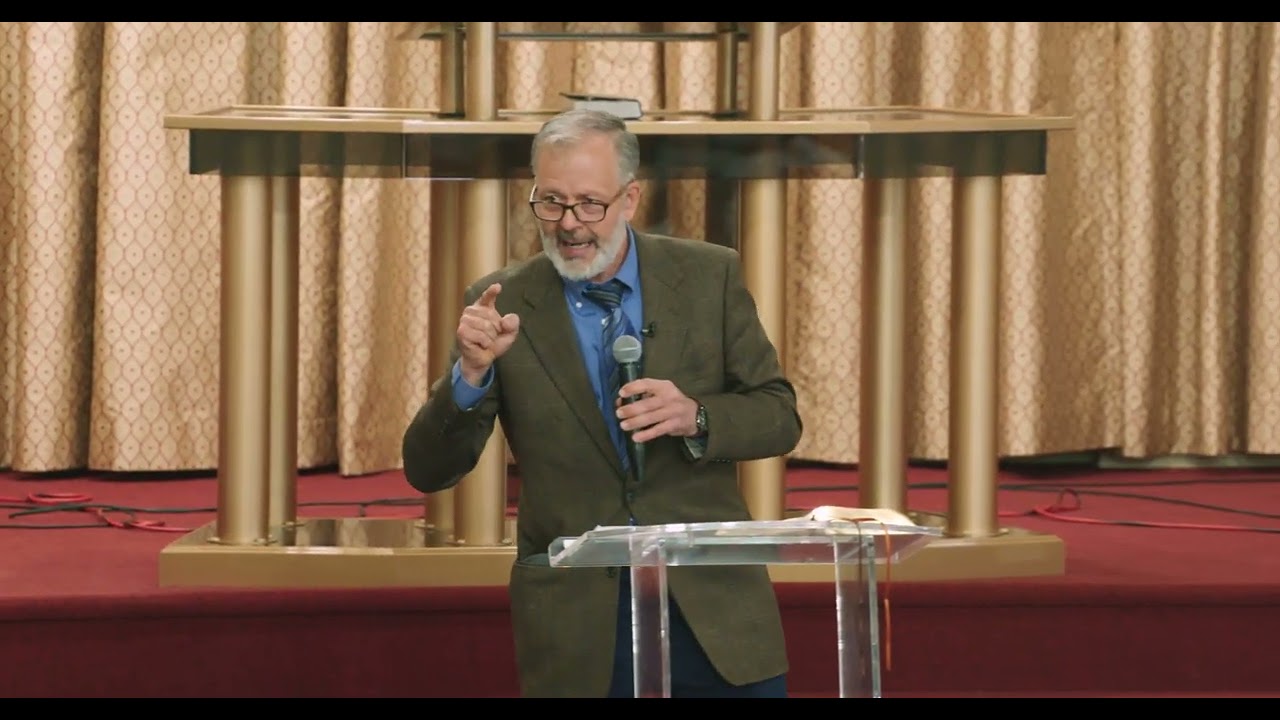
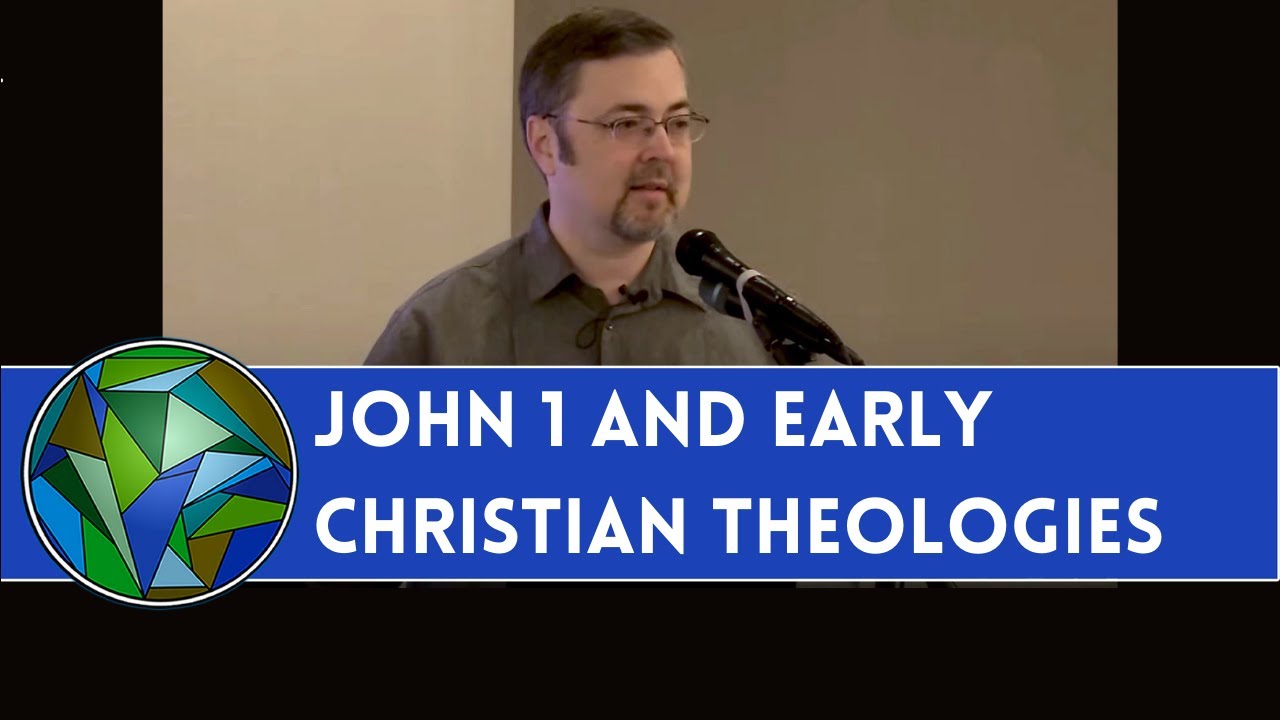
Dr. Dale Tuggy - "What John 1 Meant" (Unitarian Christian Alliance Conference 2021)
Автор: EltonDP
Загружено: 2021-11-13
Просмотров: 5689
Описание:
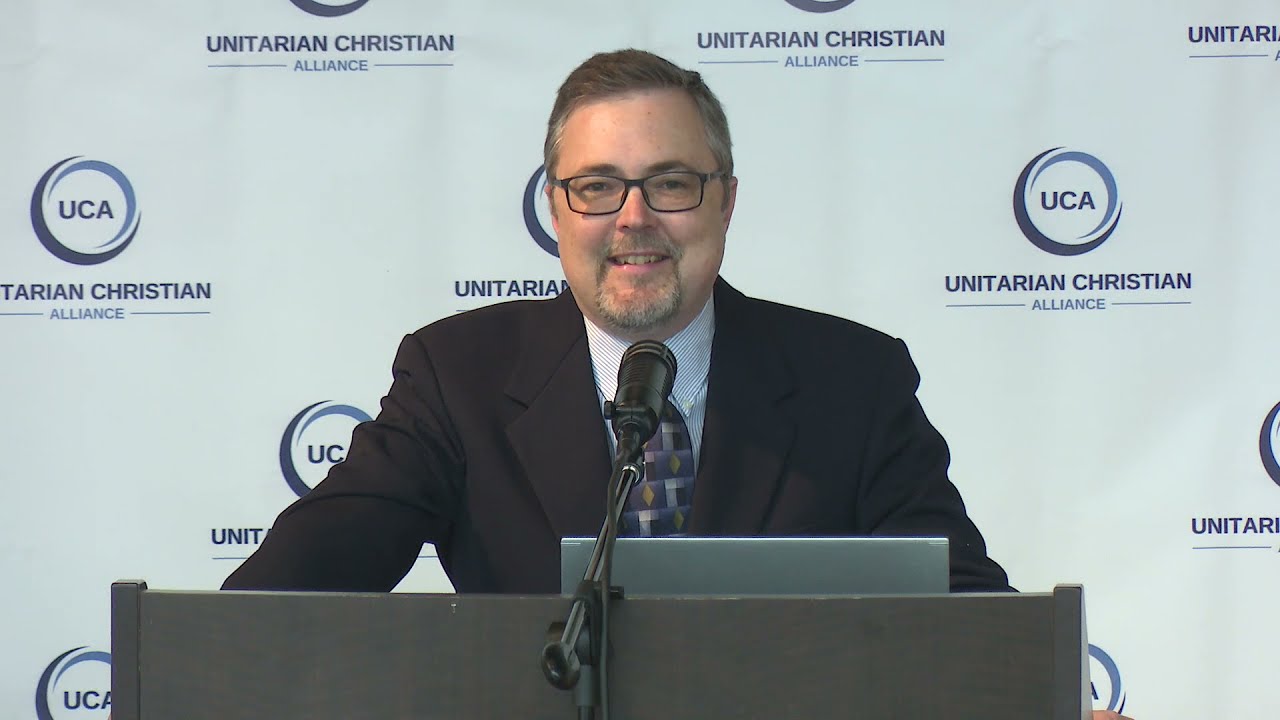
Dr. Dale Tuggy, PhD speaking on "What John 1 Meant" at the 2021 Unitarian Christian Alliance (UCA) Conference in Nashville, Tennessee.
Video by Spark & Foster Films
www.sparkandfoster.com
4 Kinds of Interpretations of John 1:
• Socinian (16th century and later): It's about Jesus during his human life.
• Trinitarian (4th century and later): It's about two divine "Persons" in God "involved in creation" one of which "became flesh"
• Subordinationist (2nd century and later): It's about God and the second, lesser "god" or "God" he created through
• What John actually meant (1st century and later): It's about God's "word" by which he created, which "became flesh" in the man Jesus.
Advantages of this interpretation:
• It's consistent with the temporal sequence most readers see in John 1:1-18, starting with creation.
• It's founded on texts that the original readers probably had access to, making the whole text understandable.
• There are no anachronisms from 2nd century or late 4th century, etc.
• It seems to have been held by some ancient mainstream Christians: the dynamic monarchians.
• It's consistent with Old Testament and New Testament doctrine of only one God involved in creation: God himself.
• It explains widespread early (2nd-3rd century) mainstream opposition to logos theories.
• It's consistent with the synoptic gospels.
• It fits well with the seeming fact that Jesus himself never claimed to be the creator.
• It's consistent with the genuine humanity of Jesus.
• It's well motivated and not arbitrarily concocted to support one theory of Christology.
• It's consistent with both subordinationist and trinitarian understandings of God and Jesus.
• It doesn't depend on any controversial translation or textual-critical judgement.
• It explains the repeated re-discovery of this interpretation by leading scholars (unitarian Christian, trinitarian Christian, and Jewish) throughout the modern era.
Dr. Dale Tuggy's interpretive paraphrase of John 1:1-18:
"When the world was created, God's Word was with him - not that 'he' was someone else. All things came into being through him; not a single thing came into being apart from God's Word. He was the source of life, a guiding light for all people. The light shines in the darkness, but the darkness didn't overcome it. God sent a man named John, who came as a witness to testify to the light, so that all might trust in God through his Word. John came to testify to the light, but isn't himself the Light. The True Light which enlightens everyone was yet to come. Then God's Word, so to speak, turned into a man and lived with us. And we've seen his glory, that of the unique Son of the Father, one who is full of grace and truth. John the Baptist testified to him proclaiming: 'It was about him that I said the one coming after me surpasses me, because all along he's been greater than me.' All of us have benefitted from Jesus' fullness, grace on top of grace. God gave us the law through Moses, but now he's given us grace and truth through Jesus the Messiah. You can't see God, but his unique Son who's close to his heart has shown him to us."
References from ancient literature to support "someone" with God in the beginning who is really just him (John 1:1-2): Proverbs 8:27-30; Wisdom 9:4, Wisdom 9:9, Sirach 1:9, Sirach 24:3, Proverbs 1:20, Proverbs 1:22, Proverbs 4:6-9, Wisdom 8:2, Psalm 147:15, Isaiah 55:11, Wisdom 18:14-16.
References from ancient literature to support God creating through "another" (John 1:3): Genesis 1:1-3, Psalm 33:6, Psalm 33:9, Psalm 148:5, Dead Sea Scrolls 1QS 11:11, Proverbs 3:19-20, Wisdom 9:1-2, Wisdom 9:4, Wisdom 7:21-22
References from ancient literature to support that it's really just God alone creating: Isaiah 45:12, Isaiah 44:24, Genesis 1:26-27, Mark 10:6, Mark 13:19, John 17:24, Romans 1:20, Acts 4:24, Acts 14:!5, Acts 17:24-31, Hebrews 11:3, Ephesians 3:9, 1 Timothy 4:3-4, Revelation 4:11, Revelation 10:6, Revelation 14:7.
References from ancient literature to support God's word or wisdom as the source of life (John 1:3b-4: Proverbs 8:35, Sirach 4:12, John 14:24, John 6:67-68, 1 John 1:1-3.
References from ancient literature to support God's word or wisdom as the source of light (John 1:4): Genesis 1:3-4, Psalm 36:9, Psalm 119:105, Psalm 119:130, Wisdom 7:25-26, Isaiah 49:6, Philo's "On Dreams" I.75, Targum Neofiti, "Homily on the Four Nights," John 5:35, John 8:12, John 9:5.
References from early literature to support God's word or wisdom as the source of both life and light for all people (John 1:3-4): Baruch 4:1-2, John 12:44-50, John 11:25, John 3:16, John 4:41, John 6:63, Proverbs 8:4, Wisdom 7:23-24, Sirach 24:4-6, Wisdom 7:29-30, Matthew 5:14, Ephesians 5:8, Luke 1:76-79.
References from early literature to support that God's word or wisdom was in the world (John 1:10): Wisdom 8:1.
References from early literature to support that God's word or wisdom comes to his own people (John 1:11): Sirach 24:8-10, Baruch 3:37-41.
Повторяем попытку...
Доступные форматы для скачивания:
Скачать видео
-
Информация по загрузке: