Common Athletic Injuries - Elbows
Автор: ActiveKidMD
Загружено: 2020-05-19
Просмотров: 2354
Описание:
Common Athletic Injuries: Elbows
The questions usually come from parents of young baseball pitchers, catchers, or shortstops:
“My child came home from baseball practice with soreness on the inside of the throwing
elbow.”
“How can I tell the difference between “normal” pain after throwing and something more
serious?”
“What types of elbow pain or soreness need to be seen by a sports medicine specialist?”
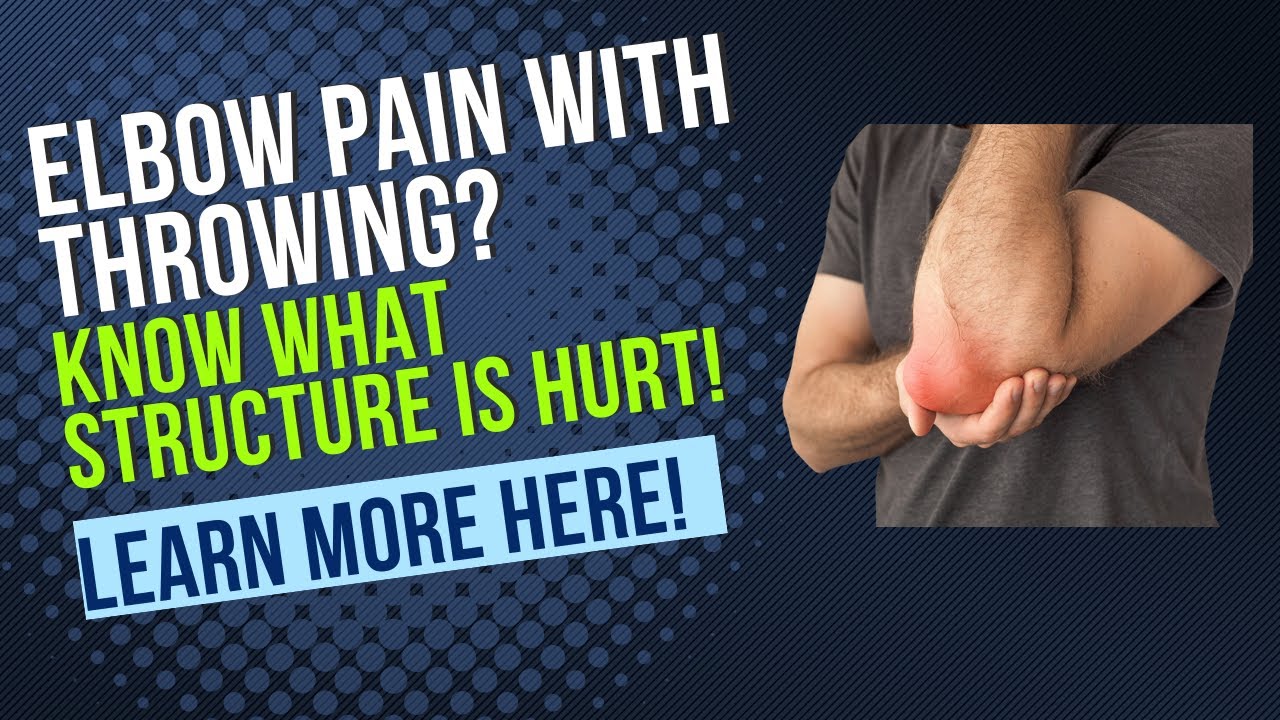
Throwing a ball places unique stresses on the elbow. During a throw, structures on the inside
of the elbow are stretched. This may include growth plates and ligaments that connect bones.
At the same time, structures on the outside of the elbow are pushed together.
Abnormal shoulder mechanics can also add to elbow pain. The shoulder and elbow link is so
important that we routinely evaluate the shoulder FIRST in all throwers. If you don’t look at
the shoulder in cases of elbow pain, you might miss the most important part of the problem.
Elbow soreness after throwing, especially early in a season, is pretty common. Ideally, there
should be no soreness or pain with or after throwing. But when do you begin to worry, or
really start to worry?
When should young throwers with elbow pain be seen?
Pin-point or “finger-tip pain”
Pain or soreness that lasts until the day after throwing
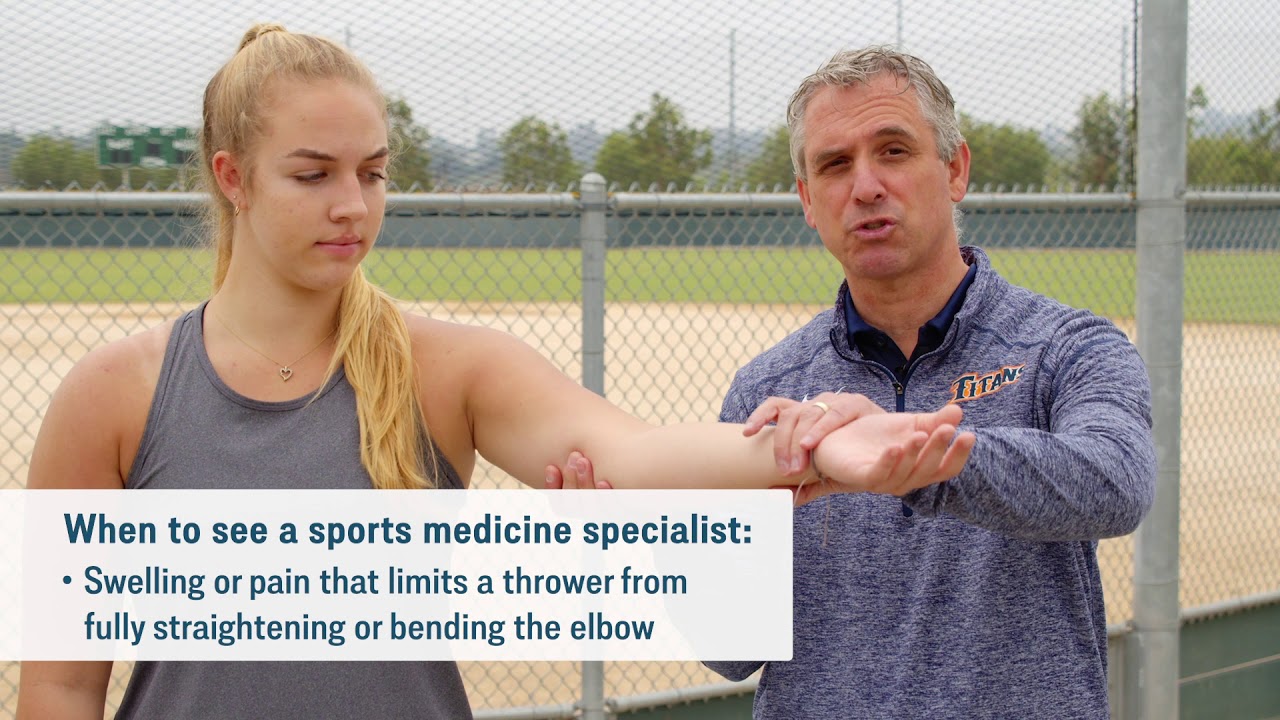
Swelling or pain that limits a thrower from fully straightening or bending the elbow
Elbow pain that leads to poor performance such as not throwing as hard, as accurately, or
as often as usual
Shaking the elbow or taking more time between throws (especially when pitching) due to
pain
Burning or numb feeling on the inside of the elbow
A pop at the elbow followed by immediate pain and limited movement of the elbow. This
can include damage to the growth plates at the inside of the elbow.
Growth plates evolve and develop in different times for different throwers. In cases of suspected
growth plate injury, x-rays of both elbows are often obtained to compare “normal” elbow to the
injured elbow.
Partial or incomplete ligament tears may respond to non-surgical care with plenty of physical
therapy. Complete or near-complete tears often require surgery and long periods of physical
therapy to return to high level throwing.
The bottom line
Pitching a no-hitter is great, but if there’s any concern for injury, it’s always best to have
your child evaluated by a sports medicine specialist. It’s not worth taking a risk of something
causing longer-term damage to the elbow. Together, we can keep your child stronger and in
the game.
Повторяем попытку...
Доступные форматы для скачивания:
Скачать видео
-
Информация по загрузке: