Are you getting condensation at home? Here's the real reason it's happening
Автор: Eco Renovation for Homeowners
Загружено: 2024-11-21
Просмотров: 1183
Описание:
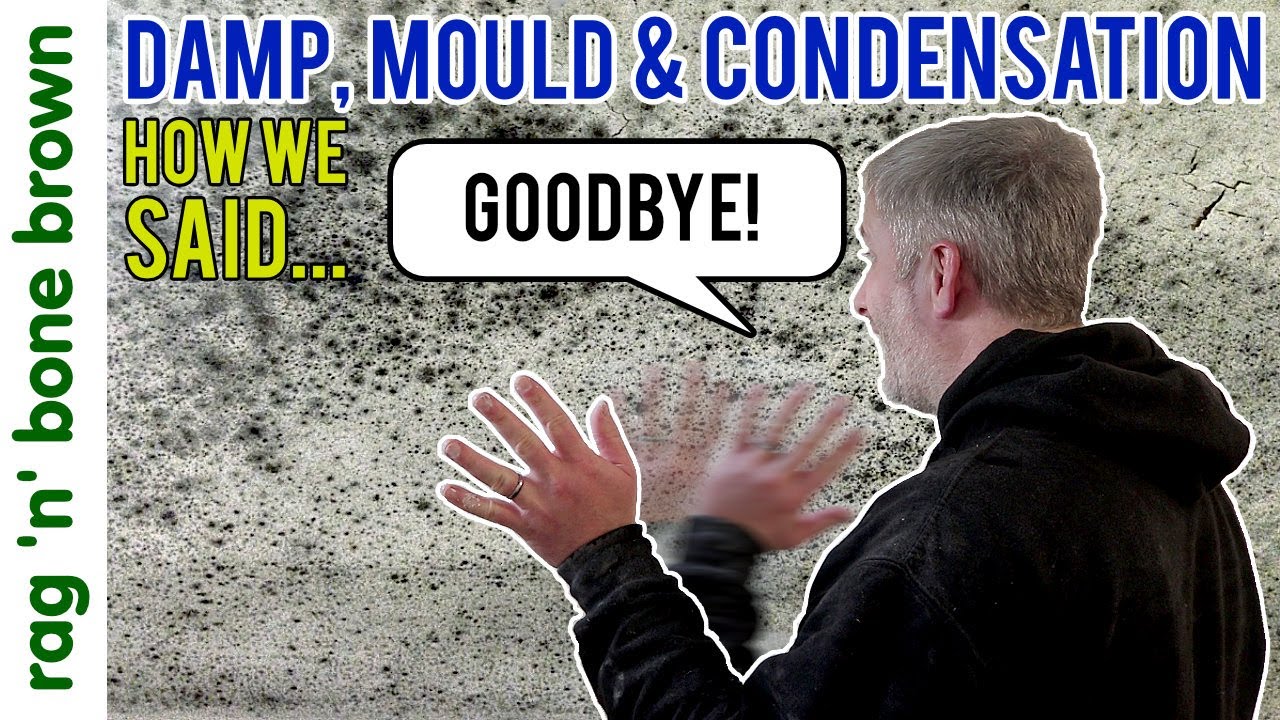
If you get condensation on your windows or mould in your bathroom, then you need to watch this video. The only way to really stop condensation is ventilation. You can try loads of different 'cures' but you'll always end up back at square one.
Ventilation is a vital part of any healthy home and any retrofit work and it's not talked about nearly enough. We all know we need insulation. Some understand the importance of airtightness for keeping out uncontrolled air but few realise the significance of replacing it with controlled air.
Lack of consistent fresh air makes the house feel stale and reduces energy levels. It also means the moisture we produce from daily life (14 litres/24 pints per family of 4) becomes a problem that leads to condensation and mould.
There are a number of ways to deal with this:
Extractor fans: these are the familiar fans that have been used for years in bathrooms, toilets and kitchens. They rely on a hole being made in the wall with a fan cover over it. It is effective in changing the air, but is dependant on weather conditions outside. A windy day makes for plenty of air exchange, a still day much less so.
In a kitchen we also use extractor fans near the hob. Even if you have an independent extractor you still need one with your hob because they manage the more intense steam produced during cooking, as well as reducing cooking smells spreading through the house. These fans are generally overhead and, more recently, integrated into induction hobs. The latter reduce the amount of moist air that can escape into the house.
Trickle vents: these are grills that sit in the top of the window frame on double or triple glazed windows. They are required now for building regulations unless other ventilation is included. Like the extractor fan, the trickle vent is a passive form of air exchange and its effectiveness depends on external weather conditions. Some have covers and can be closed, which is tempting when they bring draughts into the room. If closed then forgotten, it can lead to increased condensation and stale air.
Positive Input Ventilation (PIV): I'm not familiar with this so take a look here to understand more: https://www.homebuilding.co.uk/advice...
My understanding is that PIV draws air into the loft and pushes it out into the house through a vent, which changes the air pressure forcing out any stale air through gaps in the house fabric. It is less expensive than other whole house systems and installation is less intrusive. The downside appears to be that you need gaps in your loft and the fabric of the house in order for it to work. But do go exploring and let me know what you think. Or if you have a PIV system I'd love to hear from you.
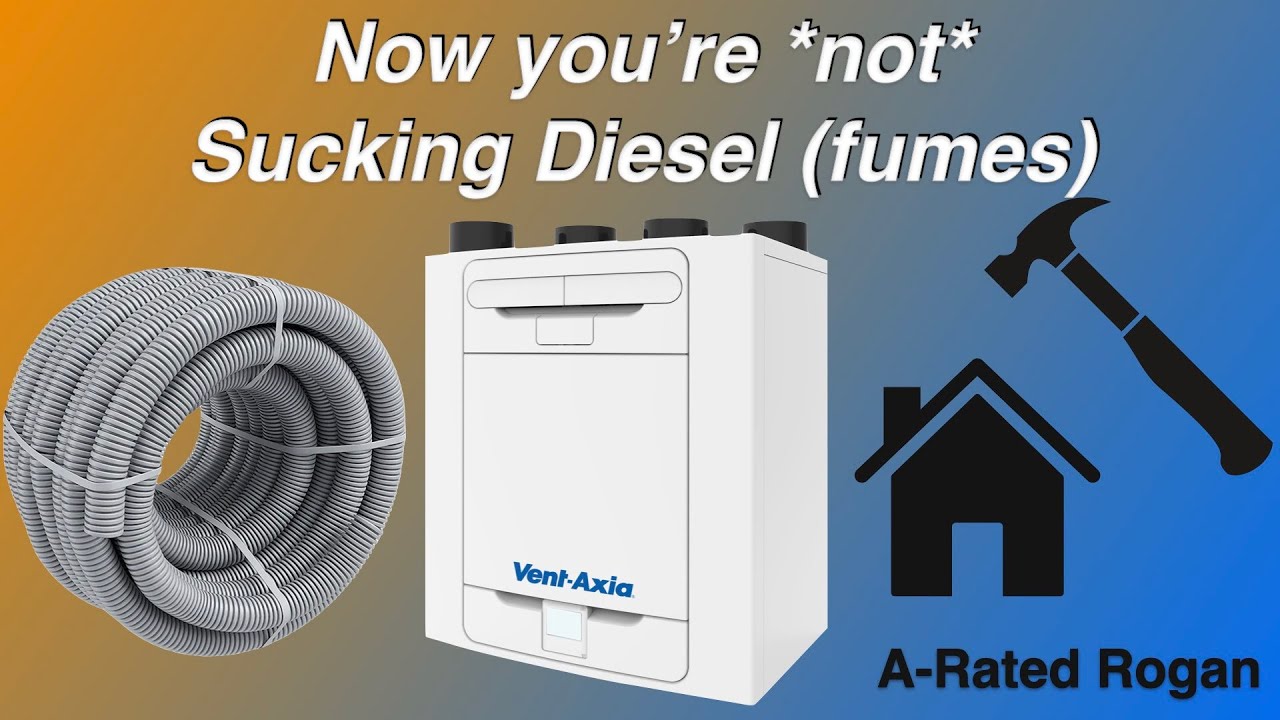
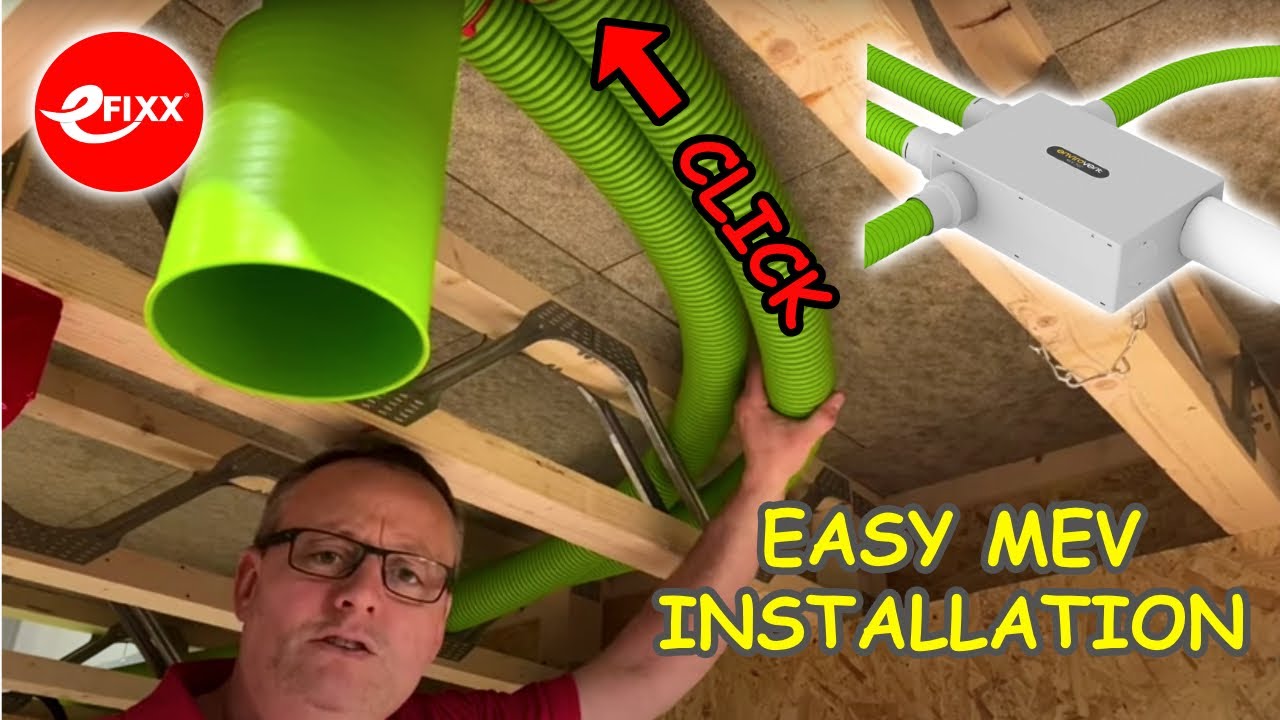
Mechanical Ventilation Heat Recovery (MVHR): this is a whole house system which includes heat recovery ie: a heat exchanger takes the heat from outgoing air and transfers it to the cold incoming air. MVHR systems are generally installed in a utility room with a unit in the loft and ducting that goes to each room in the house. Because of this, they are most often found in new builds - it's not so easy to install the amount of ducting in a retrofit, particularly in an older house.
Find out more here:
This is a good independent explanation: https://great-home.co.uk/mechanical-v...
https://www.envirovent.com/help-and-a....
Single room heat recovery (SRHR): this system works well in old houses. It is an independent unit installed where needed. It does need an outside wall. We have these in our house which was built in 1901 and it works very well. We have now installed them in every room, adding them in as needed. The flexibility to add in after the retrofit work is completed is another of its benefits. The units can all be connected up through an app if required or humidity settings can be adjusted individually.
Some options to look at are: https://www.blauberg.co.uk/domestic/d...
https://www.extractorfanworld.co.uk/s...
https://www.envirovent.com/products/h...
In summary - ventilation is vital to the health of a home. Condensation is a natural and inevitable factor in daily life. The only real way to deal with it is by improving ventilation - anything else is a sticking plaster. So always include positive ventilation in any work you do on your home.
If you have any questions, please let me know.
To buy a copy of my book, Beginner's Guide to Eco Renovation: https://amzn.to/3XHhnZc
#EcoBuilding #GreenConstruction #SustainableLiving #ventilation #condensation #EnvironmentallyFriendly
Get rid of condensation, ventilation at home, how to improve ventilation in your home, ventilation, insulation, retrofit, condensation on windows
Повторяем попытку...

Доступные форматы для скачивания:
Скачать видео
-
Информация по загрузке: