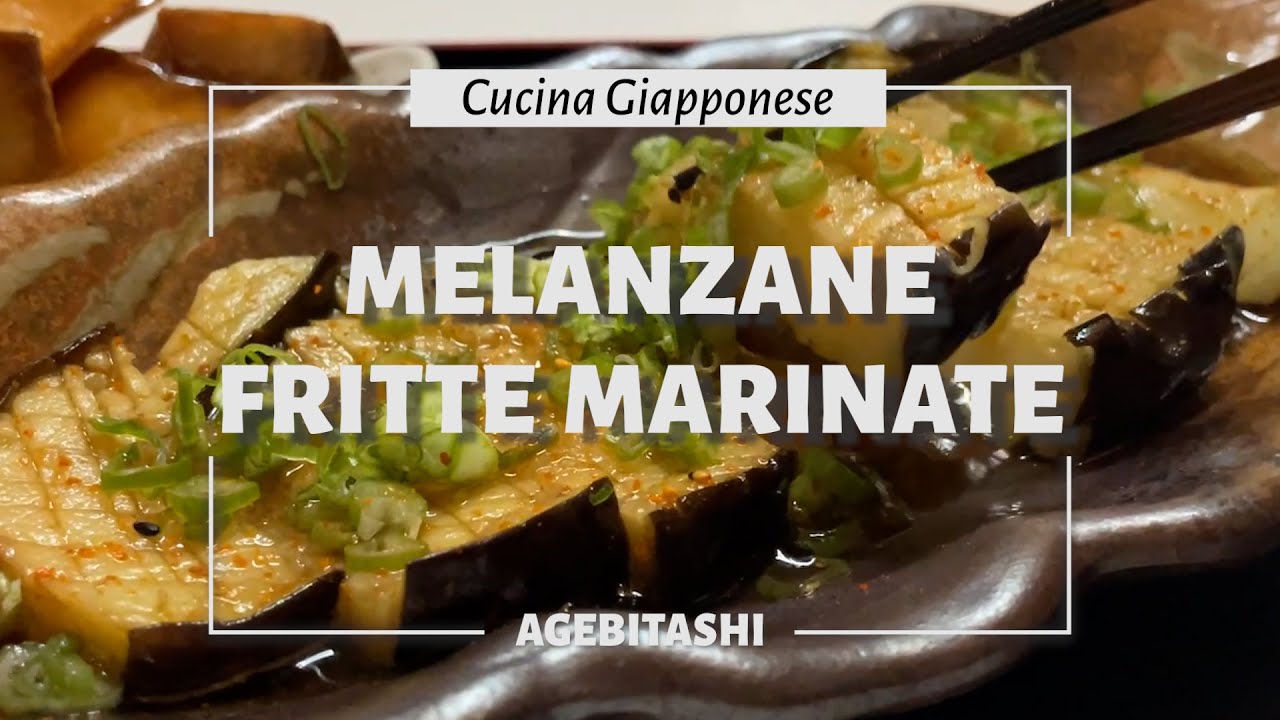
MELANZANE FRITTE MARINATE (AGEBITASHI): la ricetta semplice di un vero Chef Giapponese
Автор: Non Solo Sushi
Загружено: 2026-01-09
Просмотров: 68
Описание:
🇬🇧English below↓↓
🇮🇹🍆Nasu no Agebitashi (melanzane fritte e marinate) è un classico della cucina casalinga giapponese ma anche delle izakaya (i pub giapponesi).
“Agebītashi” (揚げ浸し) è un termine culinario giapponese che indica ingredienti fritti e poi lasciati insaporire in un brodo leggero: In giapponese, Age significa "fritto" e Bitashi significa "immerso" (da hitasu - immergere).
In questo video vi mostro come una tecnica di frittura corretta possa rendere le melanzane leggere, colorate e saporite. È una ricetta semplice deliziosa sia calda che fredda che racconta la delicatezza e l’equilibrio della cucina giapponese
📌 Ingredienti:
・Melanzana: 1 (grande)
・Olio di semi: q.b. (per friggere)
Il liquido di infusione:
・Acqua: 100ml
・Hon-dashi: 1 cucchiaino
・Salsa di soia: 2 cucchiai
・Mirin: 2 cucchiai
・Zenzero grattugiato: 1 pezzetto
Topping (a piacere):
・Semi di sesamo bianco
・Cipollotto fresco o Shiso o menta/basilico
📌 Preparazione:
1.Lavate la melanzana e tagliatele a fette.
2.Praticate delle incisioni superficiali a “griglia”. Per le fette con la buccia fatelo solo su quel lato in modo che questa non cuocia più lentamente della polpa. Invece ripetete le stesse incisioni da entrambe le parti per le fette con la polpa da entrambi i lati.
3.Scaldate l'olio a 170-180°. Immergete le melanzane iniziando dal lato della buccia per 3-4 minuti: questo "sigilla" il colore viola. Giratele e cuocete per altri 2-3 minuti.
4.Togliete le melanzane e mettetele su carta assorbente. Attenzione: non sovrapponetele, altrimenti il vapore rovinerà il colore della buccia.
5.In una padella pulita, unite tutti gli ingredienti del liquido. Portate a bollore per far evaporare l'alcol del sake e del mirin.
6.Spegnete il fuoco, aggiungete lo zenzero e immergete le melanzane ancora calde nel liquido tiepido.
7.Lasciatele riposare per almeno 1 ora: il brodo penetra nelle fibre della melanzana, rendendola succosa.
💡Opzionale: Dopo averle tagliate, immergete le melanzane in acqua per qualche minuto. Questo elimina il tannino (l'amaro) ed evita che la polpa scurisca. Asciugate perfettamente prima di friggere.
✅ Questo piatto è delizioso anche tiepido dopo un’ora di riposo, ma dà il meglio di sé freddo il giorno dopo.
Vuoi altre ricette giapponesi autentiche spiegate da uno Chef? Seguici 🍣🇯🇵 #cucinagiapponese #ricettegiapponesi #ricettefacilieveloci
🇬🇧 🇬🇧 🇬🇧 🇬🇧 🇬🇧 🇬🇧 🇬🇧 🇬🇧 🇬🇧 🇬🇧 🇬🇧 🇬🇧 🇬🇧 🇬🇧 🇬🇧 🇬🇧 🇬🇧 🇬🇧 🇬🇧 🇬🇧
🍆Nasu no Agebitashi (fried and marinated eggplant) is a classic dish in Japanese home cooking, but also in izakaya (Japanese pubs).
“Agebītashi” (揚げ浸し) is a Japanese culinary term that refers to ingredients that are fried and then left to marinate in a light broth: In Japanese, Age means “fried” and Bitashi means “immersed” (from hitasu - to immerse).
In this video, I show you how the right frying technique can make eggplant light, colorful, and flavorful. It is a simple recipe that is delicious both hot and cold and reflects the delicacy and balance of Japanese cuisine.
📌 Ingredients:
・Eggplant: 1 (large)
・Seed oil: as needed (for frying)
Infusion liquid:
・Water: 100ml
・Hon-dashi: 1 teaspoon
・Soy sauce: 2 tablespoons
・Mirin: 2 tablespoons
・Grated ginger: 1 small piece
Toppings (to taste):
・White sesame seeds
・Fresh spring onion or shiso or mint/basil
📌 Preparation:
1. Wash the eggplant and cut it into slices.
2. Make shallow “grid” incisions. For slices with the skin on, only do this on that side so that it does not cook more slowly than the flesh. Repeat the same incisions on both sides for slices with flesh on both sides.
3. Heat the oil to 170-180°C. Dip the eggplant slices, starting with the skin side, for 3-4 minutes: this will “seal” the purple color. Turn them over and cook for another 2-3 minutes.
4. Remove the eggplant and place it on paper towels. Be careful not to stack them, otherwise the steam will ruin the color of the skin.
5. In a clean pan, combine all the liquid ingredients. Bring to a boil to evaporate the alcohol from the sake and mirin.
6. Turn off the heat, add the ginger, and immerse the still-hot eggplants in the warm liquid.
7. Let them rest for at least 1 hour: the broth will penetrate the fibers of the eggplant, making it juicy.
💡Optional: After cutting, soak the eggplant in water for a few minutes. This removes the tannin (bitterness) and prevents the flesh from darkening. Dry thoroughly before frying.
✅ This dish is delicious even when warm after an hour of resting, but it is best served cold the next day.
Повторяем попытку...
Доступные форматы для скачивания:
Скачать видео
-
Информация по загрузке: