The Life Cycle of Plants: Alternation of Generations
Автор: Knowledge Chronicle
Загружено: 2025-01-01
Просмотров: 450
Описание:
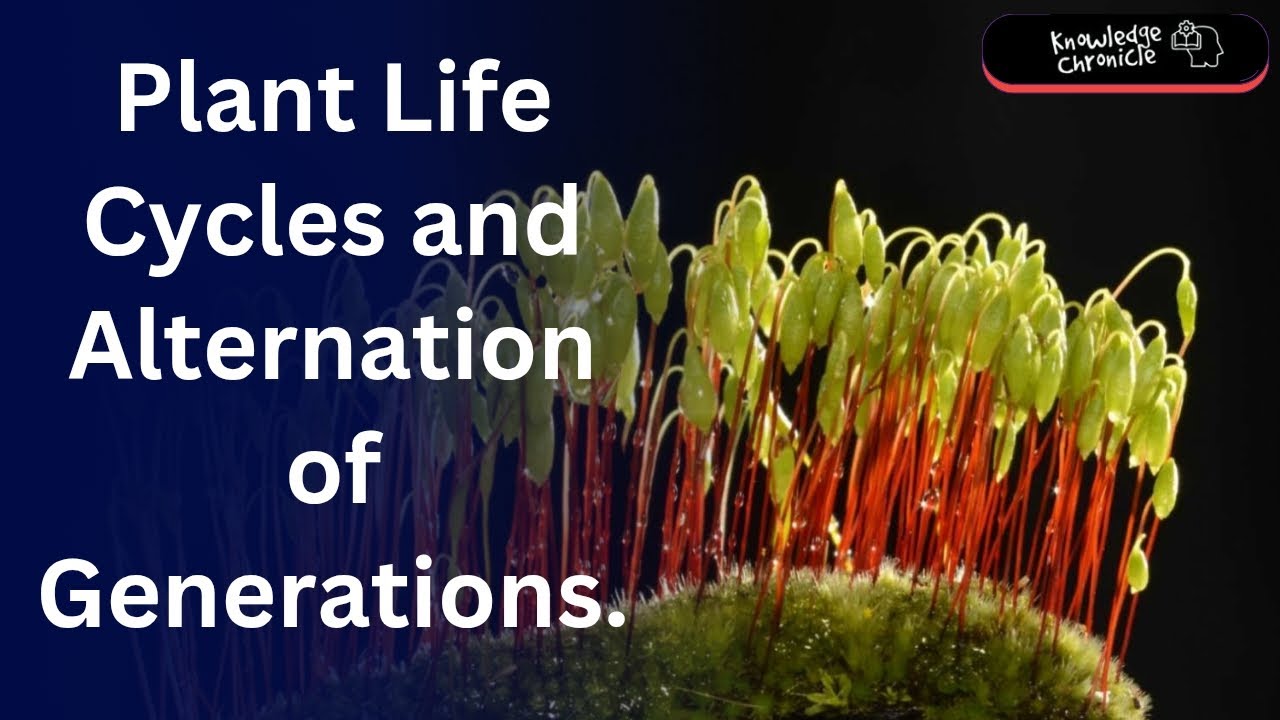
♦️Plant Life Cycles and Alternation of Generations
✍🏻Today, we’re diving deep into the intriguing world of the Plant Kingdom and exploring one of its most fascinating aspects: Plant Life Cycles and Alternation of Generations. Trust me, by the end of this video, you'll see plants in a whole new light!"
Plant Life Cycles
"Did you know that plants have a dual identity? Yes, you heard it right! Unlike animals, plants alternate between two distinct generations: the haploid gametophyte and the diploid sporophyte. Sounds complex? Don’t worry, I’ll break it down step by step."
How It Works: Alternation of Generations
"In plants, both haploid and diploid cells can divide through mitosis, leading to the formation of two plant bodies:
1. The haploid gametophyte, which produces gametes (sperm and eggs) through mitosis.
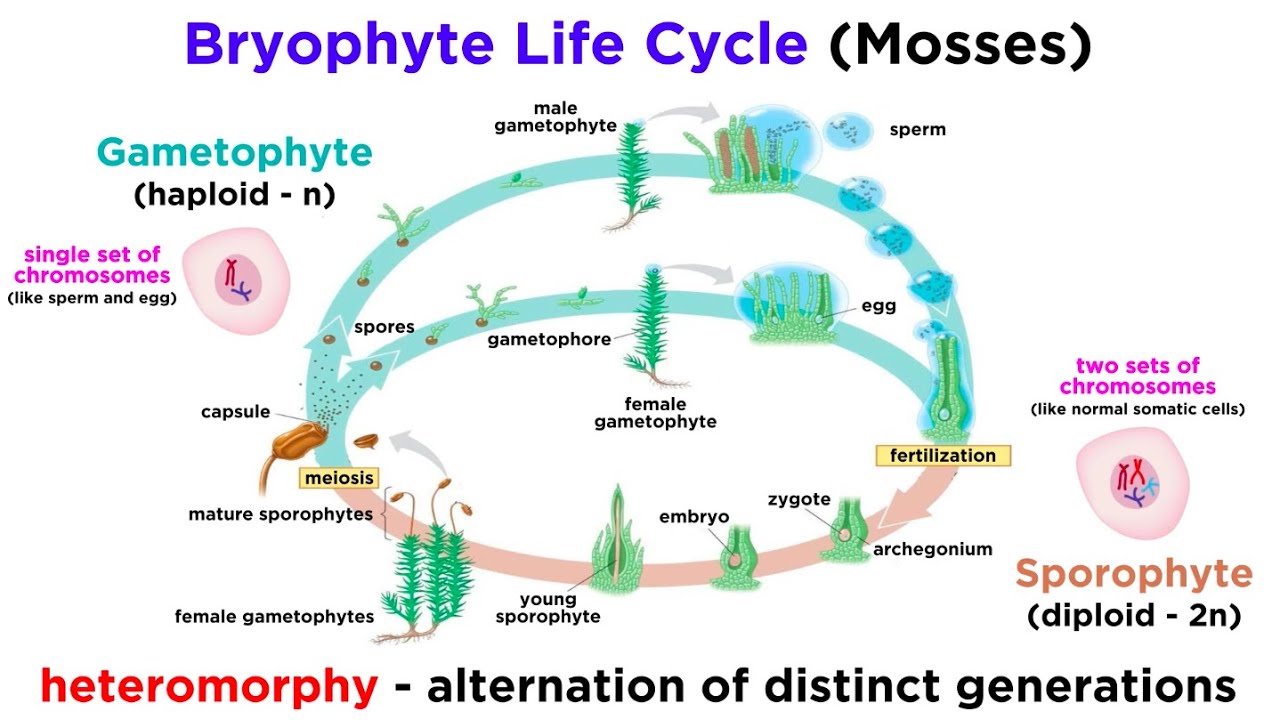
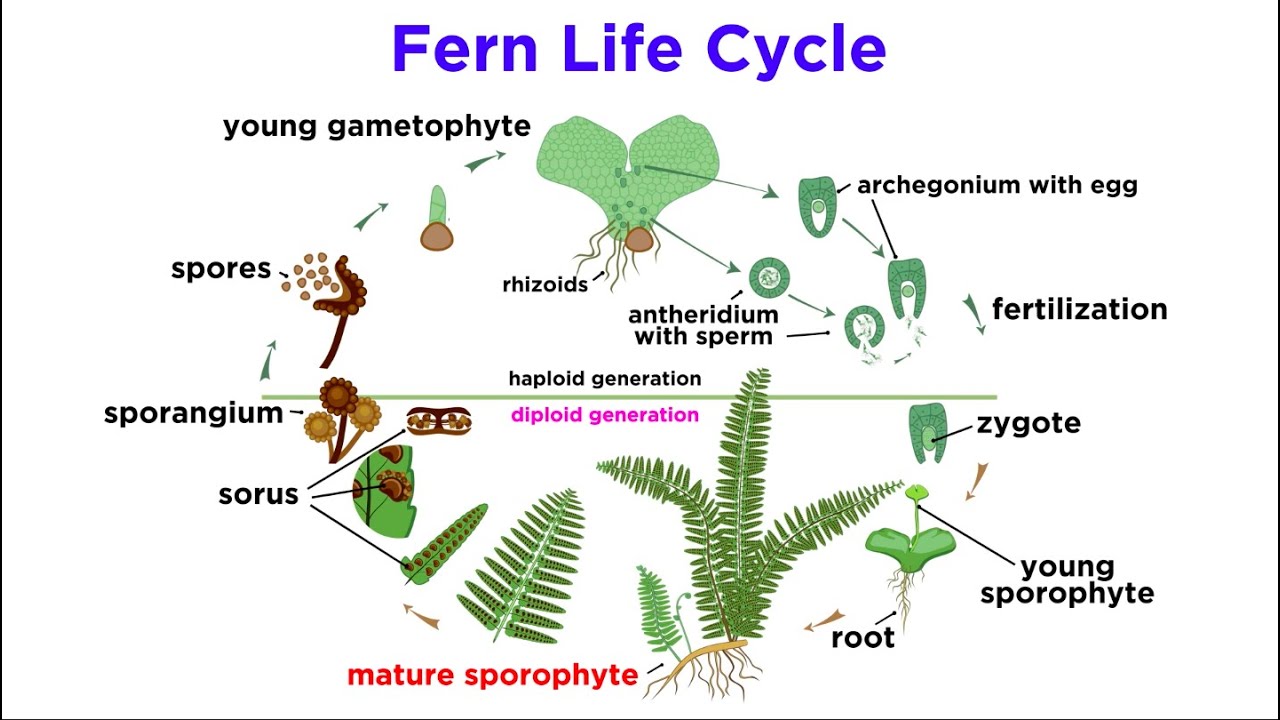
2. After fertilization, the zygote divides by mitosis to form a diploid sporophyte, which produces haploid spores through meiosis. These spores grow into a new gametophyte, completing the cycle!"
"This cycle of gametophyte and sporophyte generations is called the alternation of generations. But here’s the catch – not all plants follow the same pattern. Let’s explore the three main types of life cycles in plants with examples."
1. Haplontic Life Cycle
"First, we have the haplontic life cycle. In this pattern:
The gametophyte is the dominant, free-living, and photosynthetic phase.
The sporophyte is reduced to just the one-celled zygote.
The zygote undergoes meiosis immediately to produce haploid spores, which then grow into new gametophytes."
"Examples of haplontic life cycles include many algae like Volvox, Spirogyra, and some species of Chlamydomonas. These plants spend most of their lives as haploid gametophytes."
2. Diplontic Life Cycle
"Next, we have the diplontic life cycle, which is quite the opposite:
The sporophyte is the dominant, photosynthetic, and independent phase.
The gametophyte is reduced to a few cells, often hidden within the sporophyte."
"All seed-bearing plants like gymnosperms and angiosperms follow this pattern. Even the brown alga Fucus is diplontic. Think of this cycle as plants prioritizing their sporophytic phase to thrive!"
3. Haplo-diplontic Life Cycle
"Finally, we have the haplo-diplontic life cycle, where both the gametophyte and sporophyte phases are multicellular. However, the dominant phase differs:
1. In bryophytes (like mosses and liverworts), the gametophyte is dominant and photosynthetic. The sporophyte is short-lived and dependent on the gametophyte for nutrition.
2. In pteridophytes (like ferns), the sporophyte is dominant and photosynthetic, while the gametophyte is independent but short-lived."
"This intermediate pattern showcases how plants like mosses and ferns strike a balance between the two generations."
Special Cases in Algae
"Here’s an interesting twist! While most algae follow the haplontic life cycle, some exceptions like Ectocarpus, Polysiphonia, and kelps exhibit a haplo-diplontic cycle. They remind us that nature loves diversity!"
"And remember Fucus, which we mentioned earlier? It breaks the mold by being diplontic despite being an alga. Truly fascinating!"
Why Is This Important?
"But why should we care about these life cycles? Well, the alternation of generations is a window into evolution. It shows how plants have adapted to different environments over millions of years, giving rise to the incredible diversity we see today!"
"So, to recap:
Haplontic life cycle: Dominant gametophyte, reduced sporophyte (Volvox, Spirogyra).
Diplontic life cycle: Dominant sporophyte, reduced gametophyte (Fucus, seed plants).
Haplo-diplontic life cycle: Both phases multicellular, varying dominance (bryophytes, pteridophytes).
#plantkingdom #plantlifecycle #plantdiversity #biology #ncertbiology #ncert #neet #neet2025 #nta #ntaneet #physicswallah #pw #allen #doctor #books #shorts #study #students #science #viralvideo #trending #happynewyear
Повторяем попытку...
Доступные форматы для скачивания:
Скачать видео
-
Информация по загрузке: