Real Salt Frequently Asked Questions!
Автор: Redmond Life
Загружено: 2022-01-03
Просмотров: 11062
Описание:
View more questions here: https://kb.redmond.life/answers/real-...
0:00 - Does Real Salt have the iodine we need?
Unrefined sea salt has a small amount of natural iodine. But salt might not be the best source, even when it's iodized. Most salt producers remove any trace minerals in their salt and add enough iodine to qualify as "iodized." Redmond Real Salt is an ancient, unrefined sea salt, which means we don't add anything (including iodine) to the 60+ trace minerals nature gave our salt.
0:33 - Does Real Salt expire?
Real Salt doesn't expire, because natural salt without additives doesn't ever go bad. If you’ll notice, we said that natural salt without additives won’t go bad. Refined table salt (the pure white stuff you probably grew up using) will go bad. That's not because of the salt, though. It’s because of the additives. Iodine and anti-caking agents degrade over time, reducing the shelf life of processed salt to about five years.
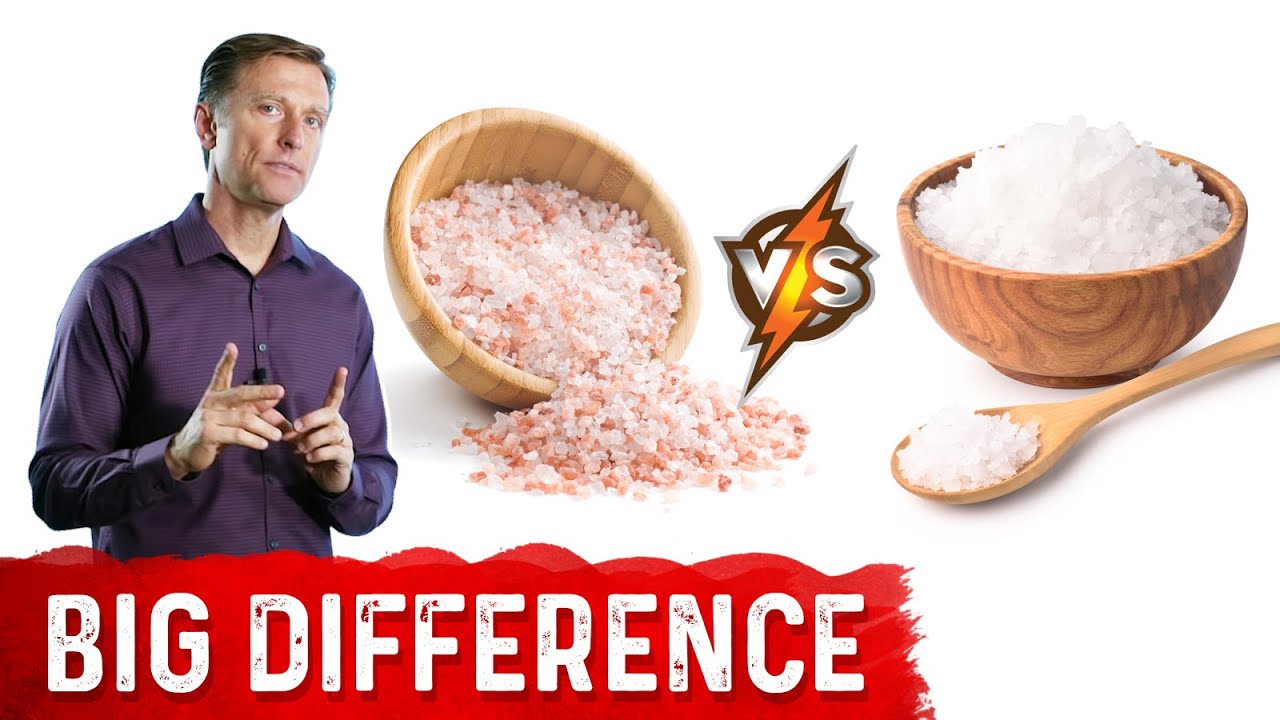
1:06 - What’s the difference between Real Salt and Himalayan salt?
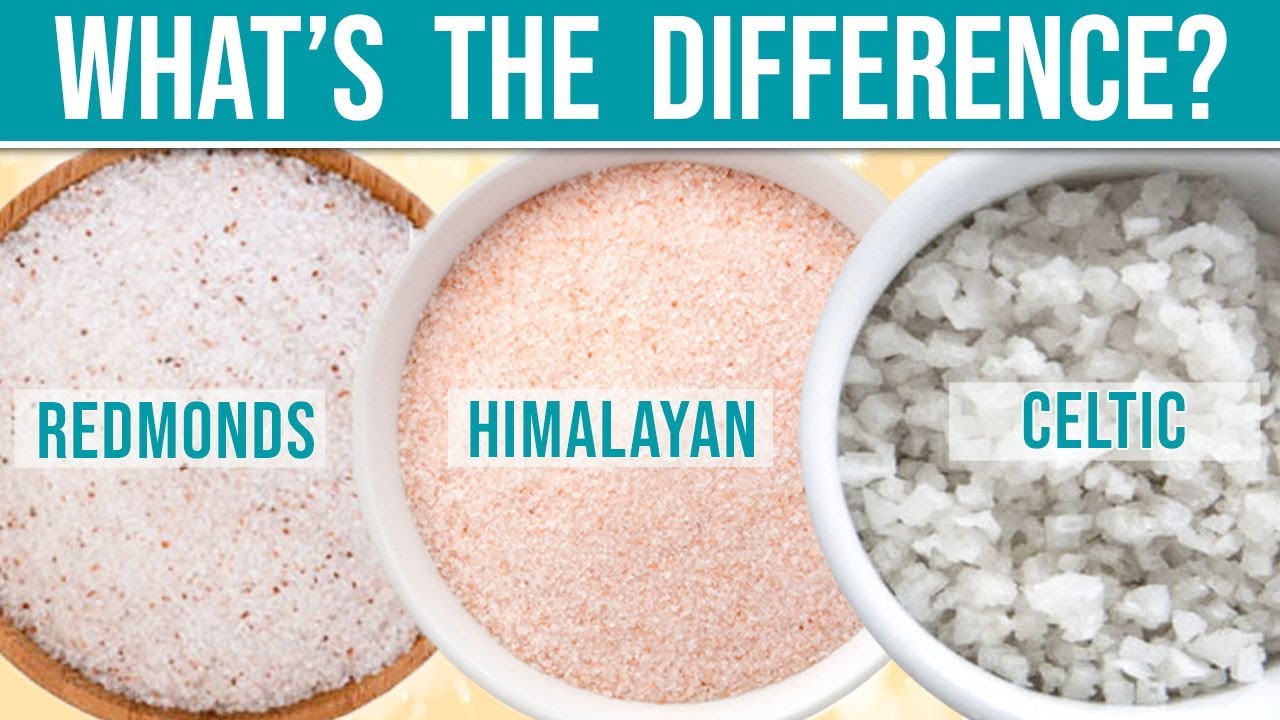
Real Salt and Himalayan salts have a lot in common. Both are harvested from ancient salt deposits that were created long before there were any modern pollutants. And geologically, the Himalayan deposit is very similar to the Real Salt deposit, since they both contain a full spectrum of minerals. Both Himalayan salts and Real Salt are considered crystal salts too. There is, however, a slight difference in flavor between the two. Real Salt is a tad sweeter, while Himalayan is a bit earthier. The biggest difference between Real Salt and Himalayan salt, though, is geography— Real Salt is mined in Utah and Himalayan salt is mined in Pakistan. That means, if you live in the U.S. (or anywhere in North America, for that matter), Real Salt is the more sustainable option since it means less miles from mine to table.
2:02 - Where does Real Salt come from?
In prehistoric times, there was an inland sea covering what is now Redmond, Utah, known as the Sundance Sea. That sea is gone, but it left behind a large, pristine, underground salt deposit—which is where we mine Real Salt. That's why even though our salt lives deep in the earth, it’s actually sea salt.
2:55 - Can I use Real Salt to make sole water?
Real Salt is unrefined and harvested from an ancient underground deposit created by nature long before man-made pollution, making it an excellent choice for people interested in sole water.
3:13 - Is there lead in Real Salt?
Long before lead-based paint, leaded gasoline, batteries, and gym weights, trace amounts of lead have been found in all natural soils and most plants. That’s because lead is one of the elements that make up the planet we call home, and in trace amounts is found almost everywhere. It always has been, and always will be. That doesn’t mean we shouldn’t try to avoid and minimize lead exposure in our lives, and fortunately, the use of refined lead in consumer products has decreased substantially since 1978 because of government regulations. But as good as the lead regulations are, they can’t remove natural lead levels that have always been part of the earth. Fortunately for us, our bodies are able to deal with the trace amounts of lead in our environment that we can’t avoid. So, what does that mean for Real Salt? Well, since elemental testing has been done on Real Salt, lead has rarely shown up on elemental scans. However, there have been a few times that lead has shown up in trace amounts and if testing technology were able to test to extremely low amounts, it would likely be found at ultra-trace amounts in most, if not all, tests.
Повторяем попытку...

Доступные форматы для скачивания:
Скачать видео
-
Информация по загрузке: