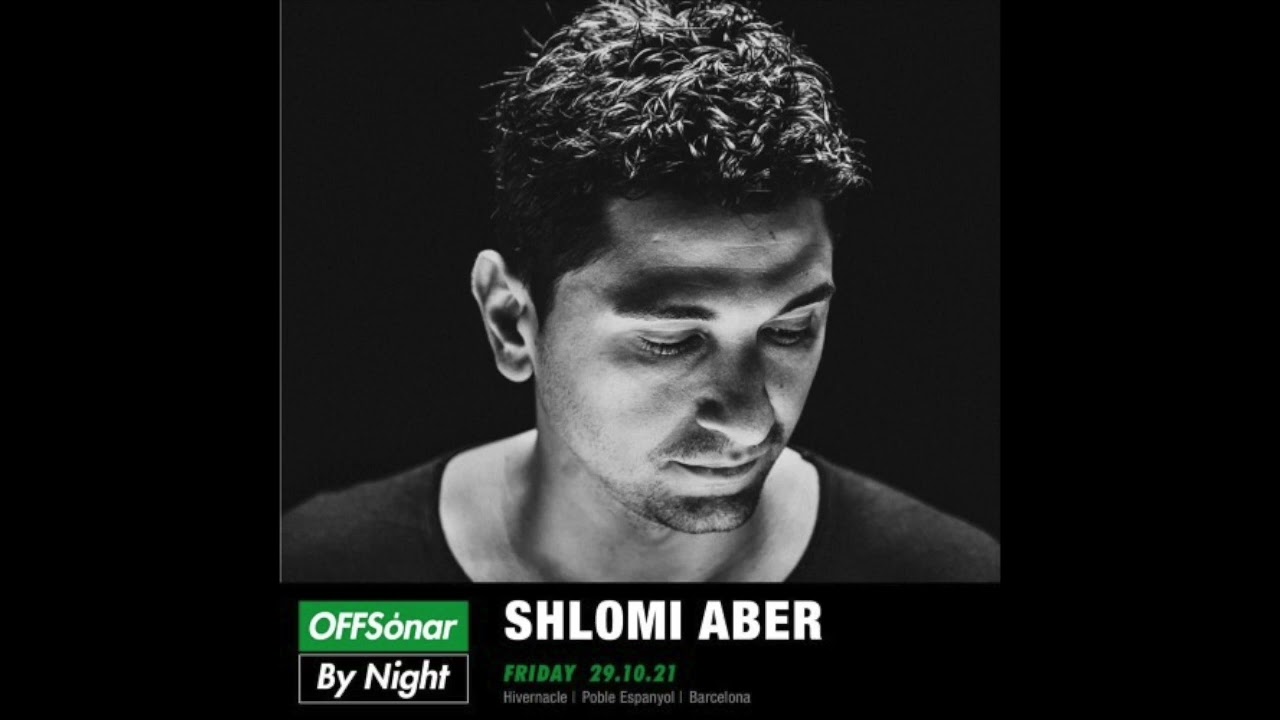
Shlomi Aber - Portico
Автор: Constantin Alexandru Mihai
Загружено: 2007-11-16
Просмотров: 202407
Описание:
music electo-house & motorbikes
House
Stylistic origins: Electro, Funk, Disco, Synthpop, Soul
Cultural origins: 1980s; Chicago, New York City, United States; London, Manchester, United Kingdom
Typical instruments: Synthesizer - Drum machine - Sequencer - Keyboard - Sampler
Mainstream popularity: Large, especially late 1980s and early 1990s United States, United Kingdom and Australia. Still popular among Australian, South African, American and British club goers. The genre has enjoyed a new upswing since the mid-2000s.
Derivative forms: Rave - Nu jazz - Madchester
Subgenres
Acid - Chicago - Click - Deep - French - Garage - Microhouse - Progressive - Electro - Dream - Gabber - Hard - Italo - Latin - Minimal - Pumpin' - Scouse - Tribal - UK Hard - Vocal
Fusion genres
Ambient - Ghetto - Hip - Tech
Other topics
Notable artists and DJs - Styles of house music
House music is a style of electronic dance music that was developed by dance club DJs in Chicago in the early to mid-1980s. House music is strongly influenced by elements of the late 1970s soul- and funk-infused dance music style of disco. House music takes disco's use of a prominent bass drum on every beat and developed a new style by mixing in a heavy electronic synthesizer bassline, electronic drums, electronic effects, funk and pop samples, and reverb- or delay-enhanced vocals.
Contents
[hide]
1 Musical elements
2 History
o 2.1 Precursors
2.1.1 Etymology
o 2.2 Chicago years: early 1980s - late 1980s
o 2.3 Detroit Techno: mid 1980s - early 1990s
o 2.4 UK: late 1980s - early 1990s
o 2.5 US - late 1980s to early 1990s
o 2.6 UK: Early 1990s to mid-1990s
o 2.7 2000s
3 Further reading
4 Other meanings
5 References
6 See also
[edit] Musical elements
The common element of house music is a prominent 4/4 beat (a prominent kick drum on every beat, also known as four-to-the-floor) generated by a drum machine or other electronic means (such as a sampler). The kick drum sound is augmented by various kick fills and extended dropouts. The drum sound is filled out with hihat cymbals on the eighth-note offbeats and a snare drum or clap sound on beats two and four of every bar. This pattern is derived from so-called "four-on-the-floor" dance drumbeats of the 1960s and especially the 1970s disco drummers. Producers commonly layer sampled drum sounds to achieve a larger-than-life sound, filling out the audio spectrum and tailoring the mix for large club sound systems.
Повторяем попытку...

Доступные форматы для скачивания:
Скачать видео
-
Информация по загрузке:











![Best of Deep House [2026] | Melodic House & Progressive Flow](https://imager.clipsaver.ru/ZH-tHW9K5jI/max.jpg)