Malacañang Transition Government ICC vs Duterte Marcos Flood Control Corruption Explained
Автор: The Agenda@ClubFilipino
Загружено: 2026-02-01
Просмотров: 17
Описание:
This discussion explains the growing call for a transition government centered on Malacañang, driven by public frustration over the padrino system, lack of access, and exclusion of ordinary citizens from decision-making. Workers, teachers, health workers, farmers, and urban poor remain unheard unless they have personal connections to officials, weakening trust in government and governance outcomes.
A proposed transition council addresses this by placing real representatives of frontline and marginalized sectors into a temporary transition administration. Unlike traditional power transfers, this model is participatory, accessible, and focused on food security, public services, and systemic reform rather than replacing one political dynasty with another. The goal is not just votes, but direct public input on how government should function.
The discussion clarifies that a transition council is consistent with constitutional succession, activating during a transition period toward new elections if top leaders are removed. It emphasizes principles designed to prevent military intervention by staying within legal frameworks while correcting structural failures that persisted even after past regime changes.
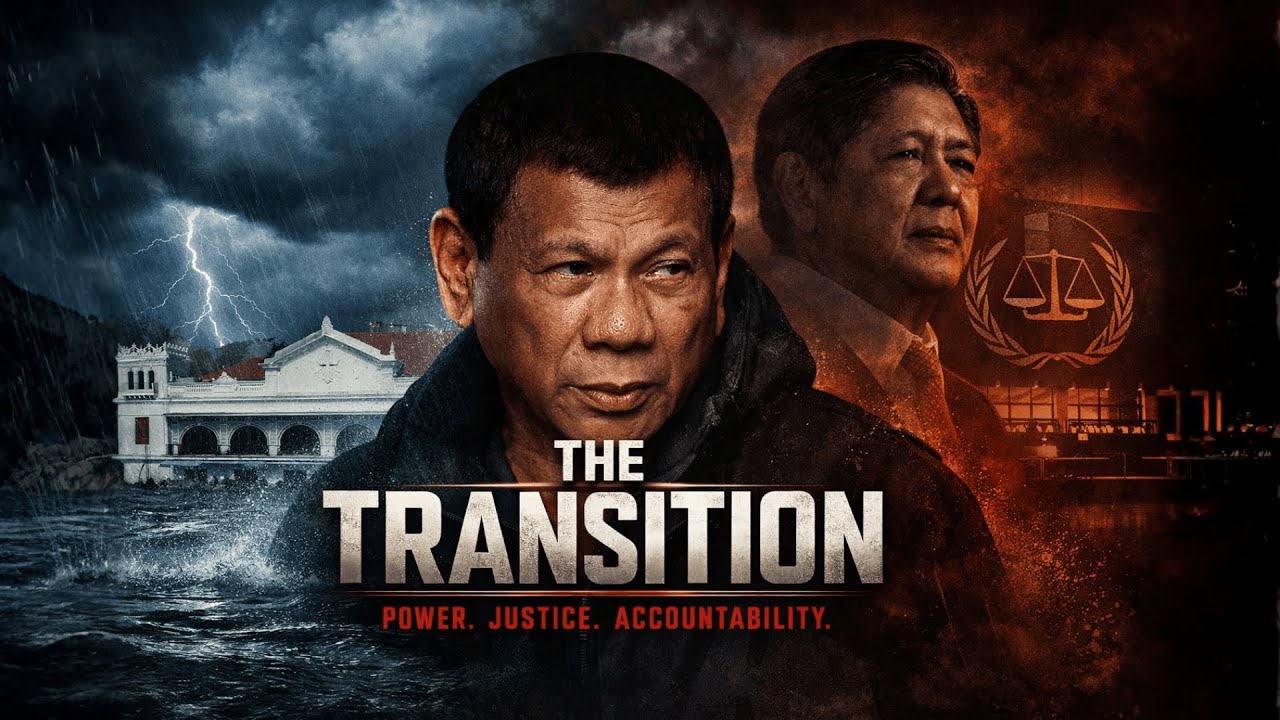
Accountability remains central. The ICC case against Rodrigo Duterte is examined in depth, explaining why trials will extend beyond the 2028 elections, how evidence will continue to surface, and why public support is likely to erode once facts are established on record. The narrative also addresses misconceptions about Duterte’s return, noting the absence of widespread public clamor.
Beyond killings, the conversation confronts corruption tied to flood control projects under the Marcos administration. Millions were affected by floods, deaths, and loss of services due to stolen public funds, prompting impeachment efforts and renewed questions about selective justice. The argument is clear: accountability must start with the president and extend to all powerful actors, not just political enemies.
The role of the International Criminal Court is placed in context alongside domestic courts, stressing that international justice complements—not replaces—local accountability. Despite political resistance, the ICC remains supported by over 120 states and acts when domestic systems fail to protect victims or prosecute the powerful.
Повторяем попытку...
Доступные форматы для скачивания:
Скачать видео
-
Информация по загрузке: