Sustainability
Автор: National Wine School
Загружено: 2026-02-17
Просмотров: 14
Описание:
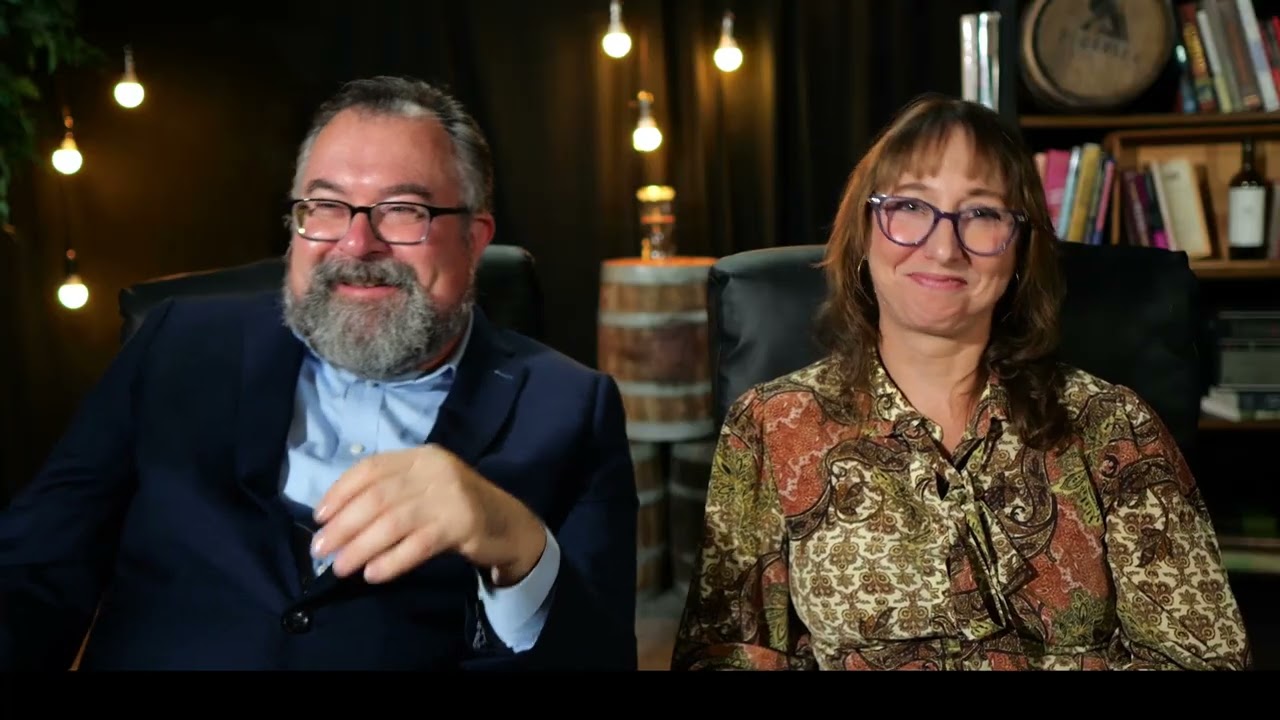
Sustainability in Wine: Green Certifications vs Greenwashing (Organic, Regenerative & Biodynamic Explained) Keith Wallace and Alana Zerbe discuss what sustainability really means in wine and whether green certifications reflect genuine practices or greenwashing. They define sustainability (long-term ecosystem preservation), regenerative agriculture (restoring depleted soil and water), biodynamic farming (self-sustaining farm inputs with lunar-calendar traditions originating with Rudolf Steiner in the 1920s and later adopted in Burgundy and Champagne), and organic certification (USDA-administered, expensive, recordkeeping-heavy, and focused on avoiding synthetic pesticides/fertilizers and GMOs). They explain why “organic” labeling in the US is complicated by strict sulfite limits that can be exceeded even without additions due to fermentation, and contrast this with the EU’s focus on vineyard practices. They cover certification costs and economics (including Demeter as the main biodynamic cert and other regional programs), and note that small producers may practice near-organic methods without paying for certification. They also highlight gaps in many sustainability paradigms, including labor practices, citing a case of an Italian certified winery found using trafficked/slave labor. Practical winery and supply-chain topics include high water use (up to 10–20 gallons per bottle), dry farming, controlled irrigation using AI, satellite imaging and drones, CO2 capture and reuse/resale, and composting winery byproducts. They emphasize packaging and shipping impacts: heavy glass bottles are energy-intensive, glass recycling has declined due to loss of China as a trade partner, and alternatives like bag-in-box and cans can reduce impact; overseas shipping by boat can be more efficient than trucking, making some imports potentially lower-carbon than domestic wine depending on location. They also mention solar and wind energy at wineries, agrivoltaics (solar panels above vines), cover crops, biodiversity, and integrated pest management (beneficial insects and plantings to divert pests). Consumer takeaways include choosing lightweight bottles, supporting alternative packaging, considering certifications while remembering their cost, visiting vineyards to ask questions, and recognizing that local regional norms and peer pressure can influence adoption of organic/biodynamic practices.
01:26 What “Sustainability” Means in Viticulture (Cover Crops, Soil Health, Beneficial Bugs)
02:51 Regenerative Agriculture: Restoring Depleted Soil & Water
03:21 Biodynamic Winegrowing Explained (Science, Rituals, and Results)
05:12 Organic Wine Basics: USDA Rules, Recordkeeping, and Costs
05:49 Certifications Under the Microscope: Sulfites, Demeter, and the Price of Compliance
08:44 Small Producers vs. Big Industry: Why Certification Can Feel Insulting
10:39 The Missing Piece: Labor Ethics and “Sustainable” Certifications
11:56 Inside the Winery: Water Use, Dry Farming, AI Irrigation, CO₂ Capture, and Compost
14:44 Packaging & Shipping: Heavy Bottles, Boxed Wine, Cans, and Transport Emissions
18:27 Renewable Energy & Vineyard Innovation: Solar, Wind, and Smarter Biodiversity
20:47 Consumer Takeaways + Wrap-Up, Next Episode Tease, and How to Learn More
👉 Free wine class + resources: https://wineschool.us/hub
Повторяем попытку...
Доступные форматы для скачивания:
Скачать видео
-
Информация по загрузке: