The 5 4 3 Architecture of Cloud Computing Environments
Автор: Bite Technology
Загружено: 2026-02-21
Просмотров: 4
Описание:
This video provides a comprehensive overview of the 5-4-3 principles of cloud computing, breaking down essential characteristics, deployment models, and service offerings with real-world examples.
5 Essential Characteristics of Cloud Computing
Cloud computing is defined by five key features that allow for efficient resource management:
• On-demand self-service: Users can provision resources like servers and storage automatically without human interaction with the provider, such as using the Amazon Web Services (AWS) console.
• Broad network access: Services are available over the internet and accessible via various devices, including smartphones, tablets, and laptops (e.g., Google Workspace).
• Elastic resource pooling: Providers use a multi-tenant model to dynamically assign physical and virtual resources to multiple customers, as seen with Microsoft Azure.
• Rapid elasticity: Capabilities can be scaled up or down quickly to match demand; for example, Netflix scales server capacity during peak streaming hours.
• Measured service: Resource usage is monitored and controlled, allowing for transparent billing based on actual consumption, similar to Dropbox charging for stored data.
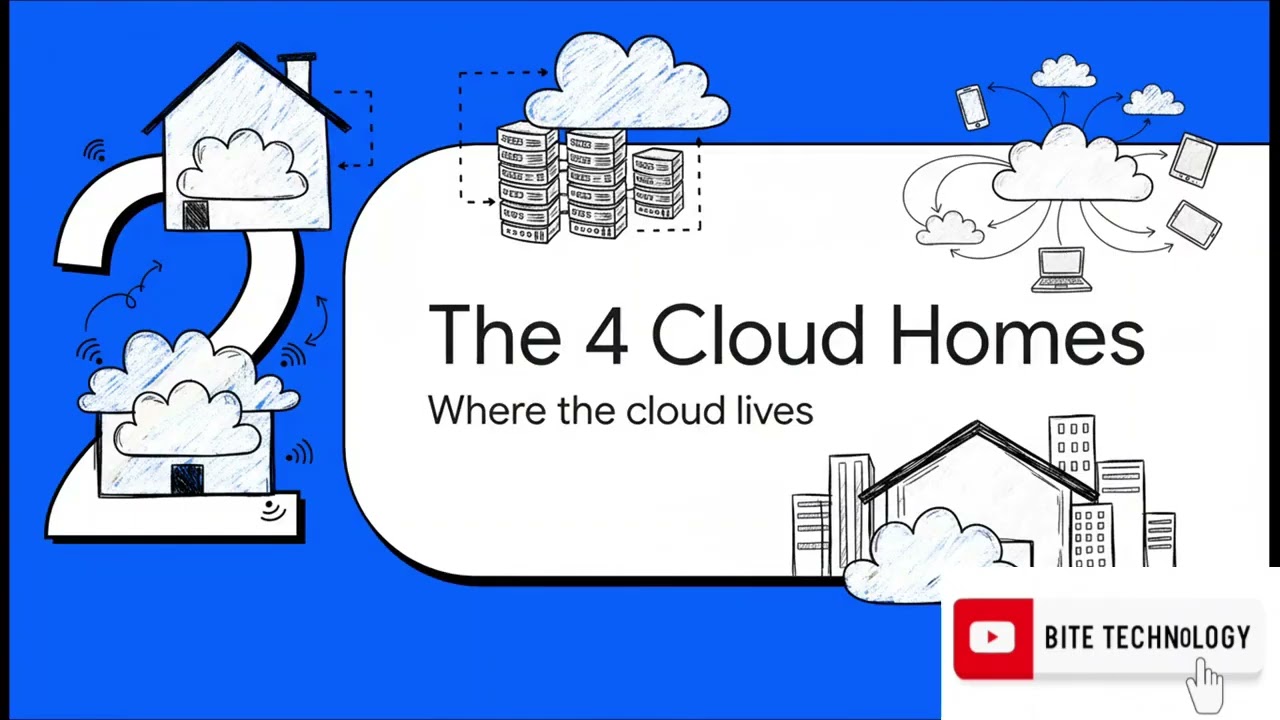
4 Cloud Deployment Models
Organizations choose different deployment strategies based on their specific needs:
• Private Cloud: Infrastructure used exclusively by one organization, like NASA using OpenStack for secure internal needs.
• Public Cloud: Services provided over the internet for general public use, owned and operated by providers like AWS.
• Community Cloud: Shared infrastructure for organizations with common concerns, such as the U.S. Government’s FedRAMP program.
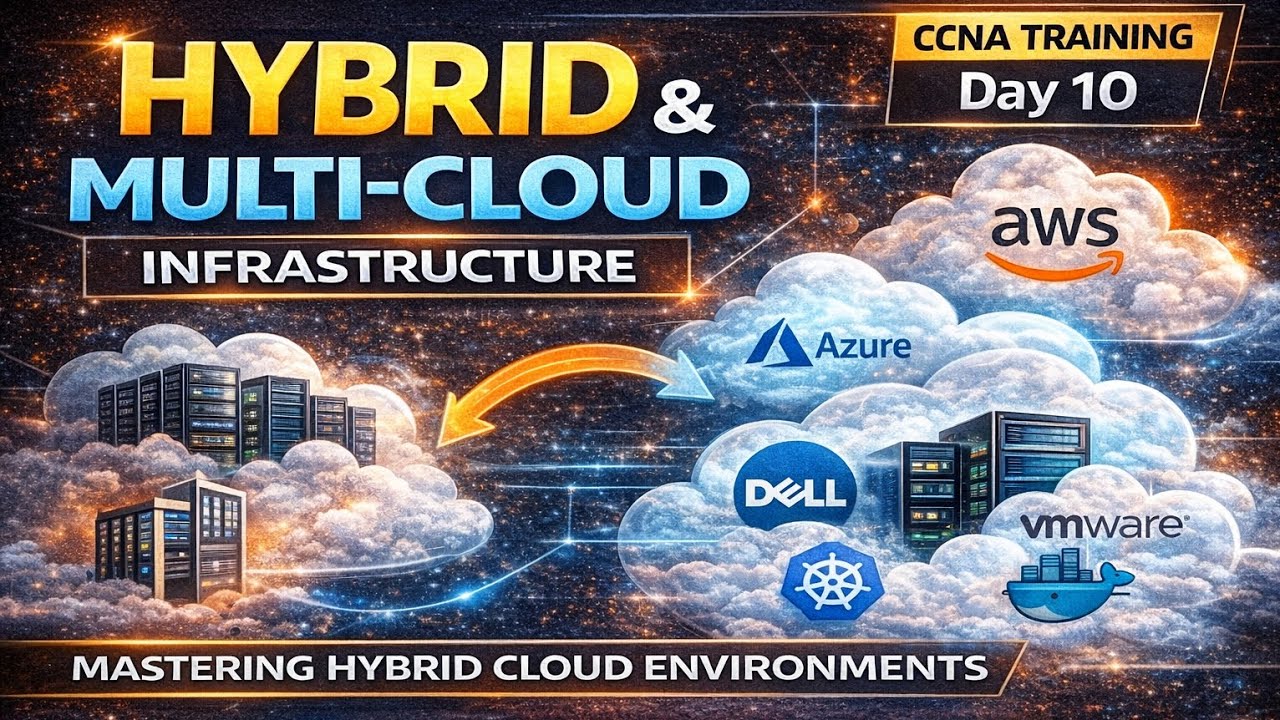
• Hybrid Cloud: A combination of two or more distinct models (private, public, or community) bound together, such as Walmart’s mix of private and public clouds.
3 Service Offering Models
Cloud services are typically categorized into three main models:
• Software as a Service (SaaS): Delivering software applications over the internet without requiring local installation or maintenance, such as Salesforce.
• Platform as a Service (PaaS): Providing a platform for developers to build and deploy applications without managing underlying infrastructure, like Google App Engine.
• Infrastructure as a Service (IaaS): Offering virtualized computing resources like networking and storage, such as AWS EC2.
By understanding these principles, individuals and organizations can better leverage the cloud to scale resources on demand and optimize costs.
Повторяем попытку...
Доступные форматы для скачивания:
Скачать видео
-
Информация по загрузке:


![Best of Deep House [2026] | Melodic House & Progressive Flow](https://imager.clipsaver.ru/Il-ZpBuC8tA/max.jpg)