SEE A ELEPHANT ATTACK A SAFARI JEEP IN MANAS NATIONAL PARK, ASSAM!
Автор: Travelester Abhi
Загружено: 2022-12-31
Просмотров: 715
Описание:
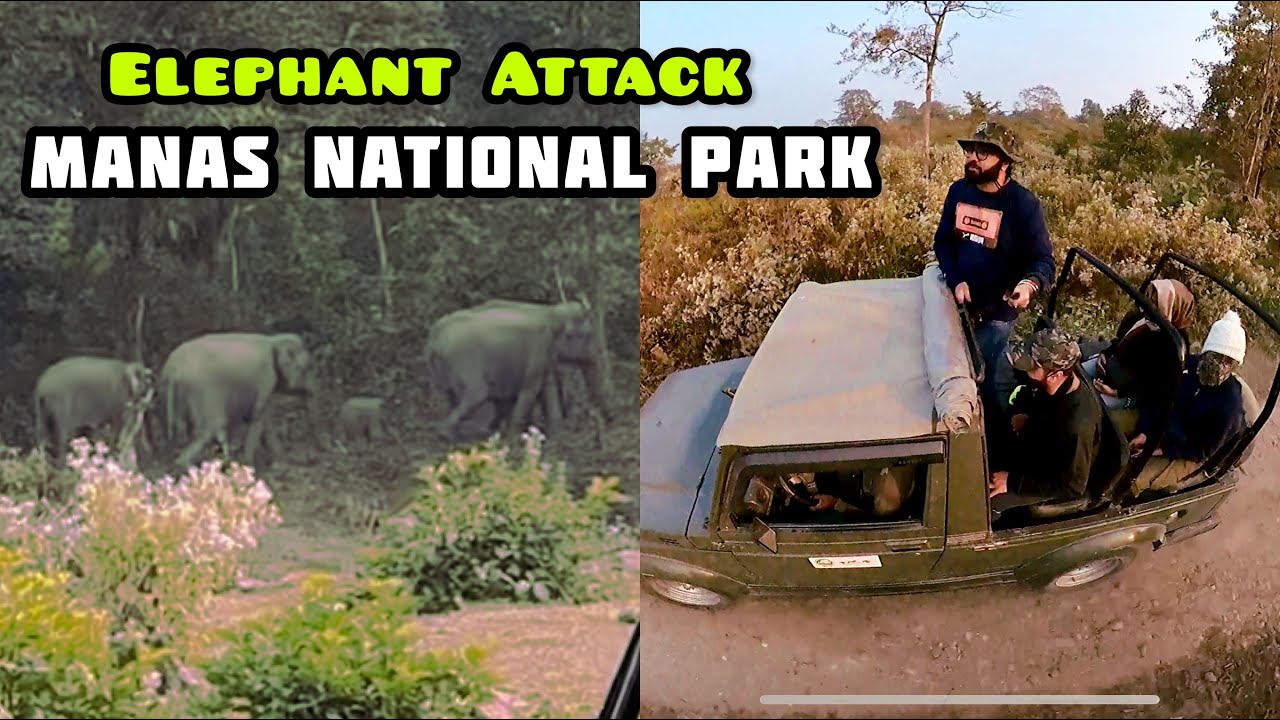
Witness the elephant attack a safari Jeep in Manas National Park, Assam, in this exciting video!
This is one of the most spectacular animal encounters you'll ever see! Watch as the elephant charges towards the Jeep, taking it by surprise! This is a once in a lifetime experience you'll never forget!
See an elephant attack a safari jeep in Manas National Park, Assam, in this newly recorded video!
This video is a must-watch if you're interested in safaris and want to see an elephant attack a jeep! Witness the chaos and excitement as this amazing event unfolds, thanks to our cameraman who was there to capture it all!
If you're visiting Manas National Park, be sure to watch this video and see for yourself what an elephant attack looks like! You won't regret it!
Experience the stunning power of elephants in Manas National Park! Watch as these majestic animals tear through a Jeep Safari, with everything from tame elephants to charging elephants!
This elephant attack safari is a must-see for anyone visiting Manas National Park in Assam, India. Whether you're traveling for business or pleasure, this safari is a thrilling experience you won't want to miss!
SEE A ELEPHANT ATTACK A SAFARI JEEP IN MANAS NATIONAL PARK, ASSAM!
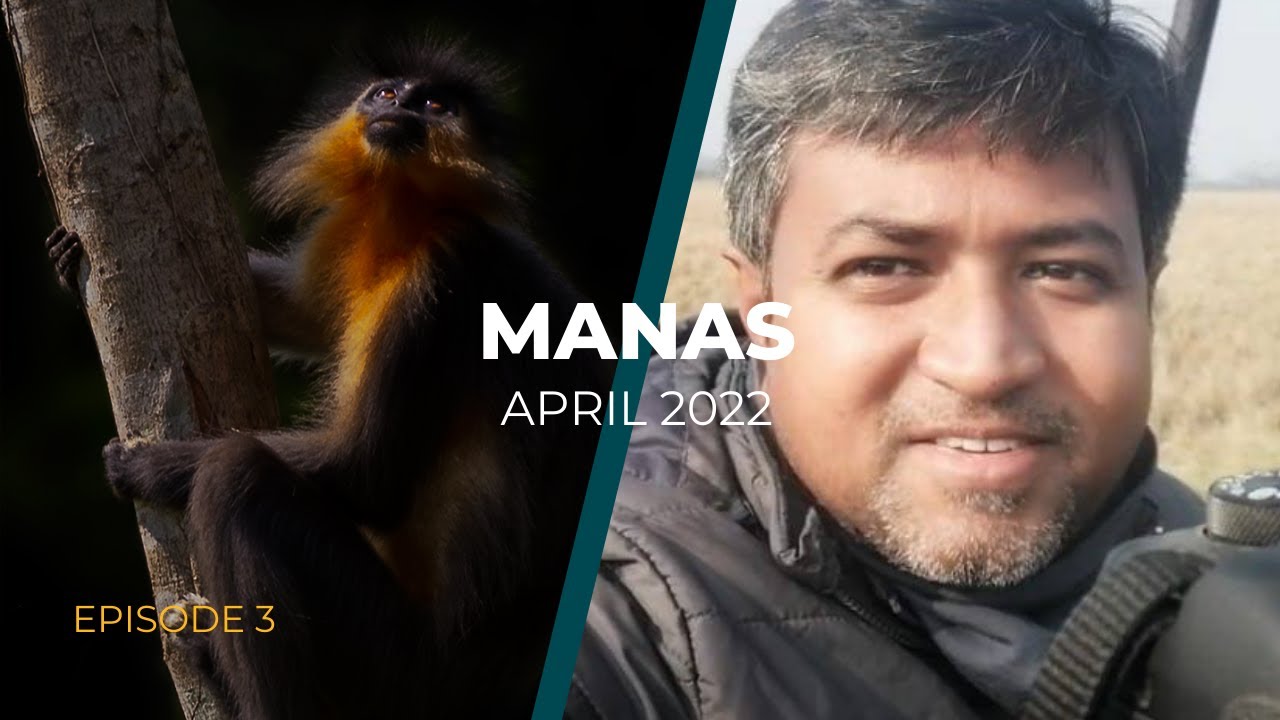
Manas National Park (ˈmʌnəs) is a national park, UNESCO Natural World Heritage Site, Project Tiger reserve, biosphere reserve and an elephant reserve in Assam, India. Located in the Himalayan foothills, it is contiguous with Royal Manas National Park in Bhutan. The park is known for its rare and endangered endemic wildlife such as the Assam roofed turtle, hispid hare, golden langur and pygmy hog. Manas is famous for its population of the wild water buffalo.
Origin of the name
The name of the park is originated from the Manas River. The Manas river is a major tributary of Brahmaputra River, which passes through the heart of the national park.
History
The Manas National Park was declared a sanctuary on 1 October 1928 with an area of 360 km2 (140 sq mi). Manas bio reserve was created in 1973. Prior to the declaration of the sanctuary, it was a reserved forest called Manas R.F. and North Kamrup R.F. It was used by the Cooch Behar royal family and Raja of Gauripur as a hunting reserve. In 1951 and 1955, the area was increased to 391 km2 (151 sq mi). It was declared a World Heritage Site in December 1985 by UNESCO. Kahitama R.F. the Kokilabari R.F. and the Panbari R.F. were added in the year 1990 to form the Manas National Park. In 1992, UNESCO declared it as a world heritage site in danger due to heavy poaching and terrorist activities. On 25 February 2008, the area was increased to 500 km2 (190 sq mi). On 21 June 2011, it was removed from the List of World Heritage in Danger and was commended for its efforts in preservation.
Human history
There is only one forest village, Pagrang, in the core of the national park. Apart from this village 56 more villages surround the park. Many more fringe villages are directly or indirectly dependent on the park.
Political Geography: The park area falls in the following districts: Chirang, Baksa in the autonomous territorial region, i.e BTR in the state of Assam in India.
A view of mountains from the park
The park is divided into three ranges. The western range is based at Panbari, the central at Bansbari near Barpeta Road, and the eastern at Bhuiyapara near Pathsala. The ranges are not well connected; while two major rivers need to be forded in going from the centre to the Panbari, there is a rough trail (the Daimari road) connecting the centre to the eastern range. Most visitors come to Bansbari and then spend some time inside the forest at Mathanguri on the Manas river at the Bhutan border.
Manas is located in the foothills of the Eastern Himalaya and is densely forested. The Manas river flows through the west of the park and is the main river within it. It is a major tributary of Brahmaputra river and splits into two separate rivers, the Bwrsi and Bholkaduba as it reaches the plains. Five other smaller rivers also flow through the national park which lies on a wide, low-lying alluvial terrace spreading out below the foothills of the outer Himalaya. The Manas river also serves as an international border dividing India and Bhutan. The bedrock of the savanna area in the north of the park is made up of limestone and sandstone, whereas the grasslands in the south of the park stand on deep deposits of fine alluvium.
Search terms:-
Manas national park,
Elephant attack,
Elephant in assam,
Elephant attack India,
Manas,
Follow me on Instagram: / travelesterabhi
Vlogging Gear:-
Action Camera: https://amzn.to/2PE5Z0Z
cinematic shots with https://amzn.to/31wj92M
tripod for camera https://amzn.to/31yyFer
Vlogging Mic https://amzn.to/3rHjo5I
Gopro Hero 9 Kit https://amzn.to/39u4d9D
Hope you liked this video, do like share and subscribe to my channel. lots of love.
#manasnationalpark #nationalpark #nationalparks #tigersafari #
Повторяем попытку...
Доступные форматы для скачивания:
Скачать видео
-
Информация по загрузке: