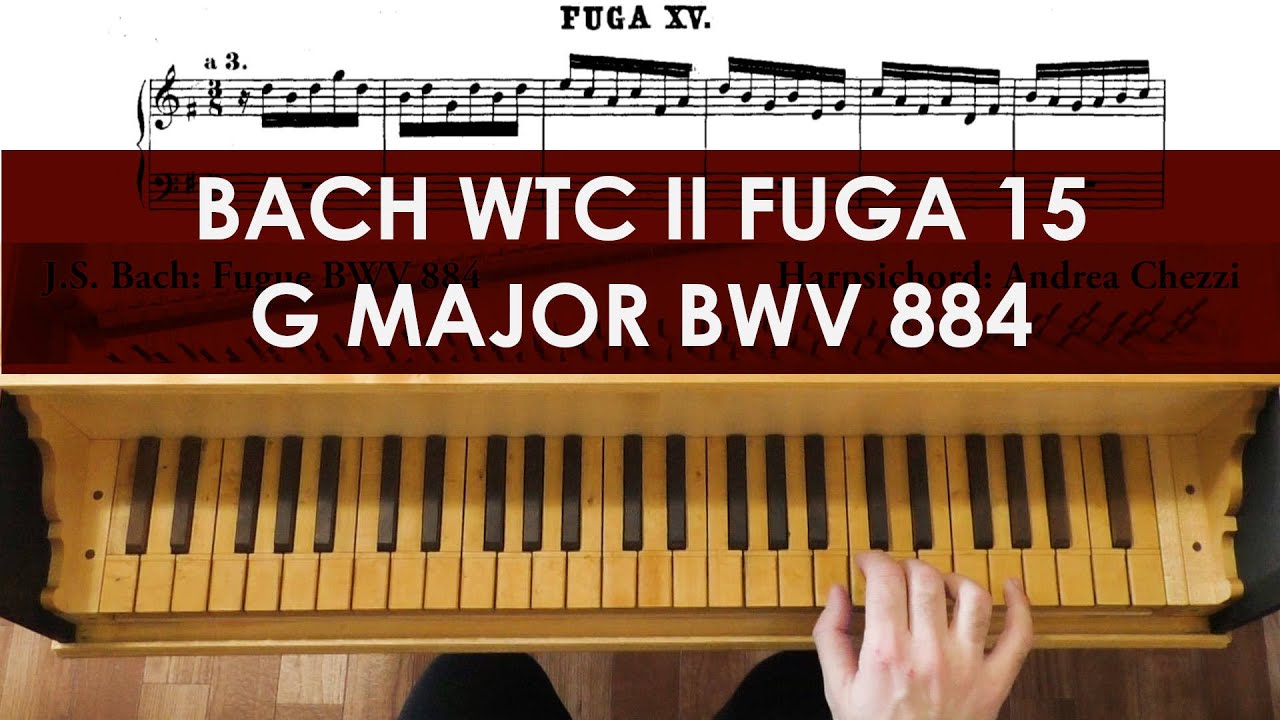
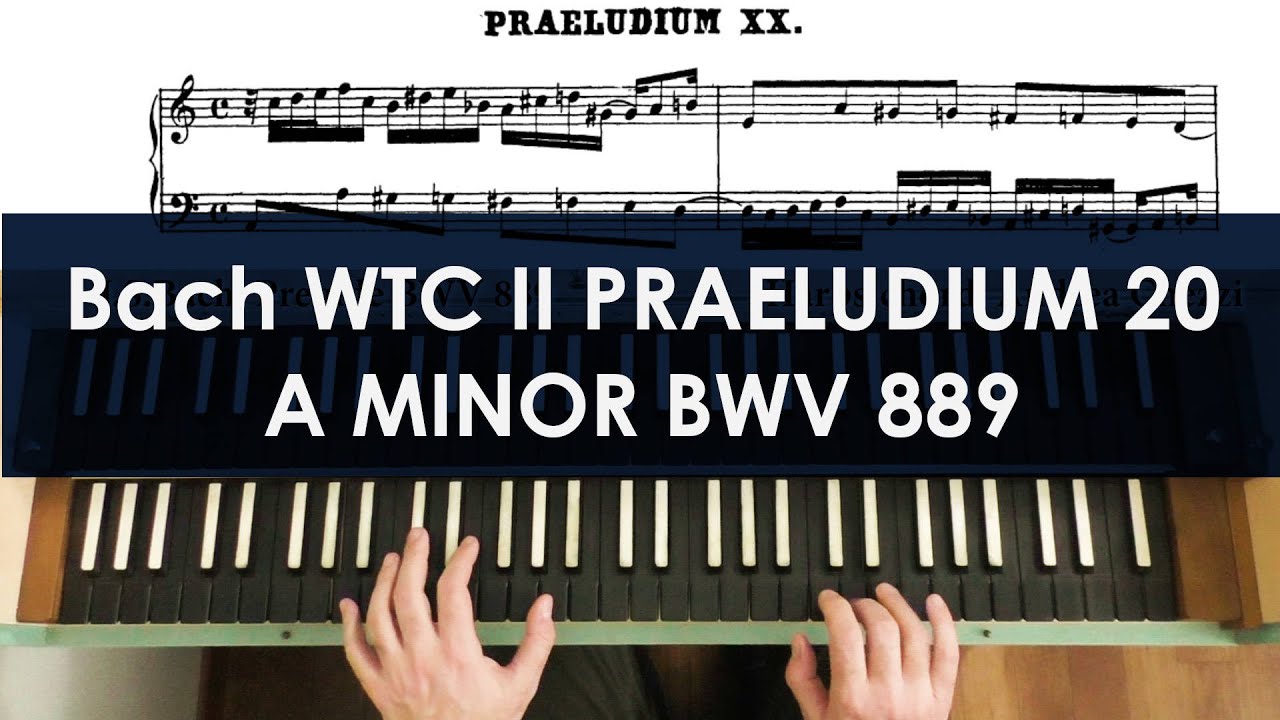
Bach Prelude No. 20 in a minor from Well-Tempered Clavier II, BWV 889 harpsichord Andrea Chezzi
Автор: Andrea Chezzi - Clavicembalo Organo
Загружено: 2026-02-07
Просмотров: 141
Описание:
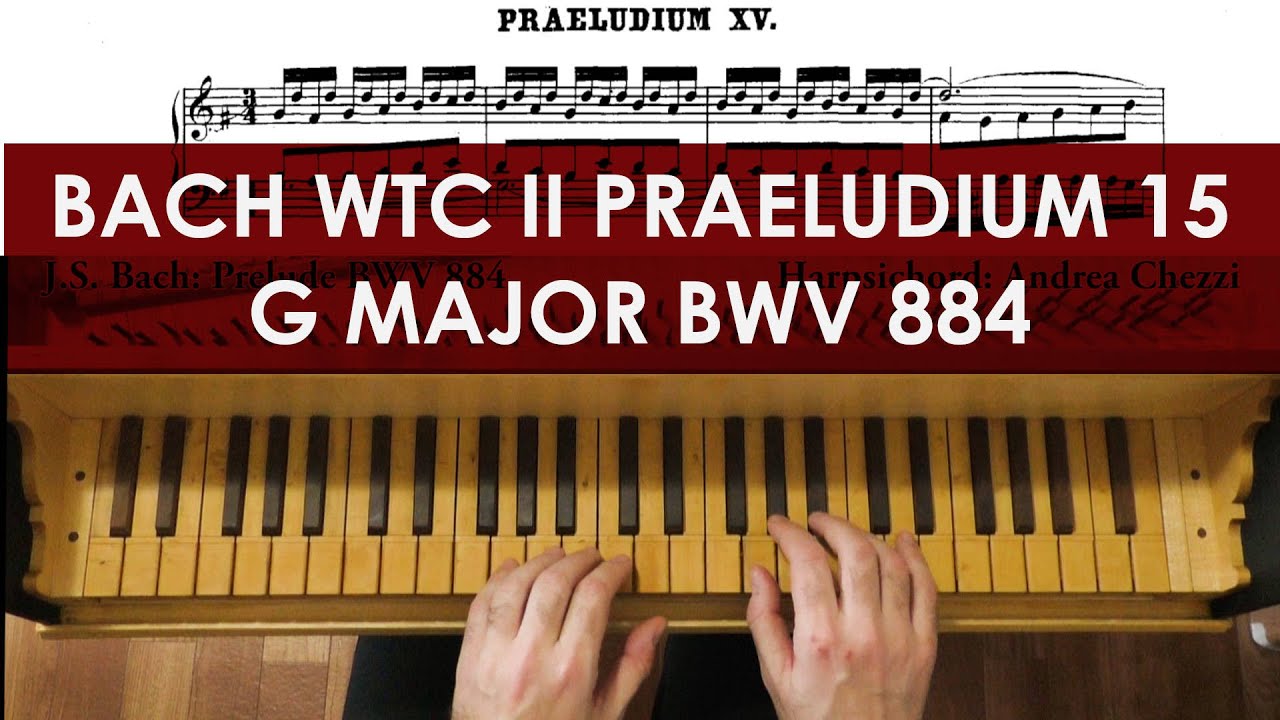
J.S.Bach Praeludium 20 from Well-Tempered Clavier II, BWV 889
Harpsichrdist Andrea Chezzi
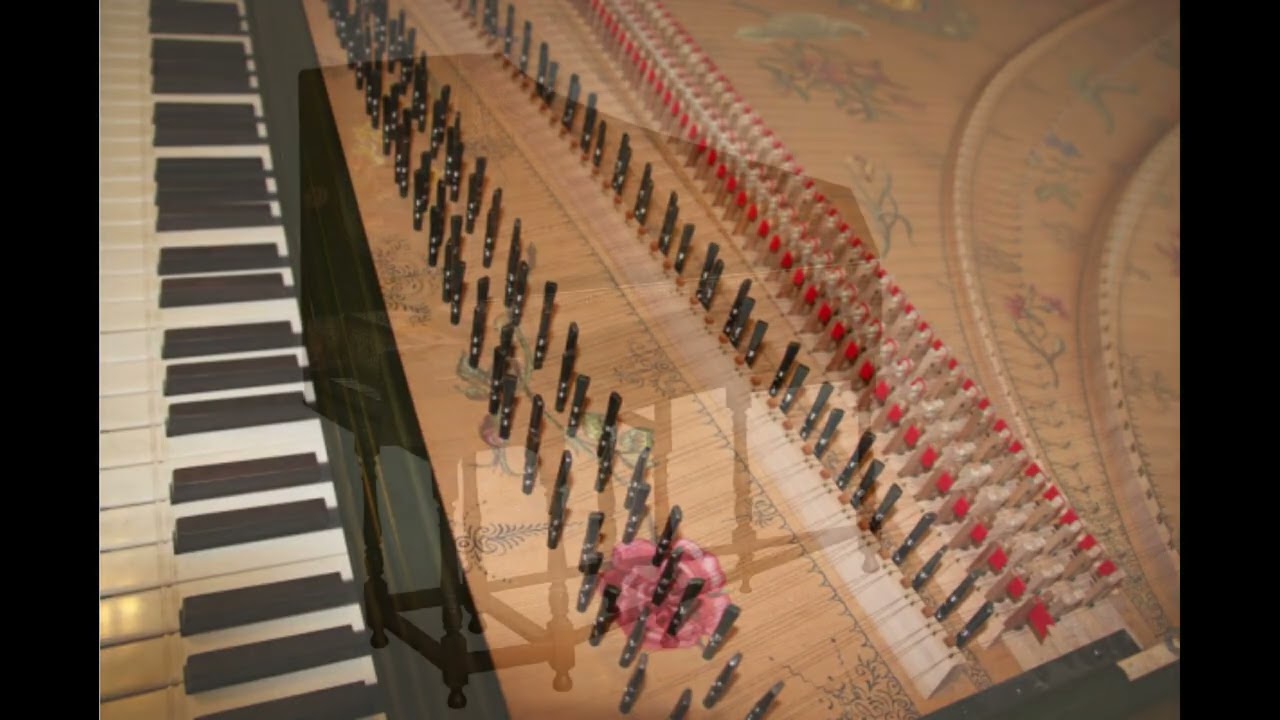
Harpsichord by Fabio Rigali (2024),
from 17th century Italian models
Colorno (Parma, Italy)
January 16th, 2026
0:01 - Part 1
1:05 - Part 2
#AndreaChezzi #Clavicembalo #Bach
/ @andreachezziorganoclavicembalo
/ 719587751719221
Preludio e Fuga in la minore
Il Preludio è di 32 battute. Il genere è quello delle Invenzioni, con due voci apparenti che ne celano tre. La forma comprende due sezioni, ciascuna con ritornello, la seconda delle quali presenta l'inversione del tema e del controtema esposti nella prima. Tutto il brano è pervaso da un continuo cromatismo.
La Fuga, di 28 battute, è una fuga tonale a tre voci. Il tema ha due controsoggetti che derivano organicamente da esso. La forma presenta soltanto esposizioni e divertimenti, svolti però con ampiezza barocca e con accenti incisivi e vigorosi. (da: www.flaminioonline.it)
WTC II Prelude and fugue no. 20 in A minor BWV 889
For the dignified and slightly melancholy key of A minor, Bach chose a pair of works filled with mirrors. Whereas the deadly serious prelude barely has room to breathe, the fugue provides relaxation. It’s almost humorous – and let’s be honest, that’s not exactly what the Thomaskantor is known for.
An immediately striking feature of the prelude is its strict construction: two sections of sixteen bars each, two parts that continually pass ideas to one another and – precisely in the middle – a complete inversion, where the parts exchange places and directions. Where the line rises in the first half, here it descends. At least until the cogwheels threaten to turn in the direction of predictability and Bach opts for a different turning near the end. While the harmonic building blocks actually come directly from Baroque improvisation, Bach fills the distance between the notes with even smaller steps wherever possible. This chromaticism dominates the sound picture and makes the parts snake around one another.
What a relief when the fugue opens with calmness and space – and almost grotesque leaps. The effect of the pompous theme borders on parody; an impression that is further confirmed by strings of notes that get increasingly out of hand. And once the three parts have had their say, the spectacle really lets rip. Exuberantly, Bach sends the fingers flying over the whole keyboard; first dancing from top to bottom, and then up to the top again in a scale of trills covering more than two octaves. And just before the abrupt ending, the parts take yet another wild flight into the depths of the instrument. Some sources give this piece the heading ‘fughetta’, which suggests a light interpretation. Whatever the case, here we find Bach at his wittiest. (from: www.bachvereniging.nl)
Повторяем попытку...
Доступные форматы для скачивания:
Скачать видео
-
Информация по загрузке: