Peerless Quartet "That Aeroplane Glide" (1912) Victor 17113 = airplane ragtime song by Harry Israel
Автор: Tim Gracyk
Загружено: 2023-02-26
Просмотров: 148
Описание:
Don't you hear the music playing?
Can't you see those couples swaying?
They are doing a different glide.
When you hear those fiddle rigging,
Don't it make you feel like singing
While over the notes those trombones slide?
Now this glide is all the money.
So I'll teach it to you, honey.
It's just like an aerial ride.
Sensations come a-stealing that cause a funny feeling
When you're doing that "Aeroplane Glide."
Up, up, up! Way up!
That's the Aeroplane, Aeroplane Glide.
Up, up, up! Don't stop!
Up thro' the air, we will ride with a glide
to the right and a glide to the left.
Just push those clouds aside.
Up, up, up! Way up!
That's the Aeroplane, Aeroplane Glide!
Oh, my hon', I feel so chipper.
I can see the great Big Dipper
And the rest of the stars in the sky
As we sail around the moon, dear.
That's the time for us to spoon, dear.
And right past the bright North Star we will fly.
Honey, don't you hear that sighing?
Are the "Heavenly Twins" a-crying?
This sure is some aerial ride.
Oh! kids wake up--you're dreaming.
Those stars you see a-gleaming
are caused by that Aeroplane Glide.
Peerless Quartet
"That Aeroplane Glide"
1912
Victor 17113
Song by Harry Israel
The Peerless Quartet was the most successful vocal group of the acoustic era, recording more titles and selling more records than other vocal groups.
It was managed by bass singer Frank C. Stanley until his death from pneumonia at age 41 in December 1910. Afterwards it was led by tenor Henry Burr.
The Peerless basically evolved from the older Columbia Quartet, of which Stanley had been a member, though one could argue it evolved from the Invincible Quartet, which was one of several vocal groups that Stanley organized and managed. The Columbia Quartet, usually credited only as "quartet" on the rim of cylinders and labels of discs, was formed in the late 1890s and underwent many personnel changes though Albert Campbell remained as first tenor.
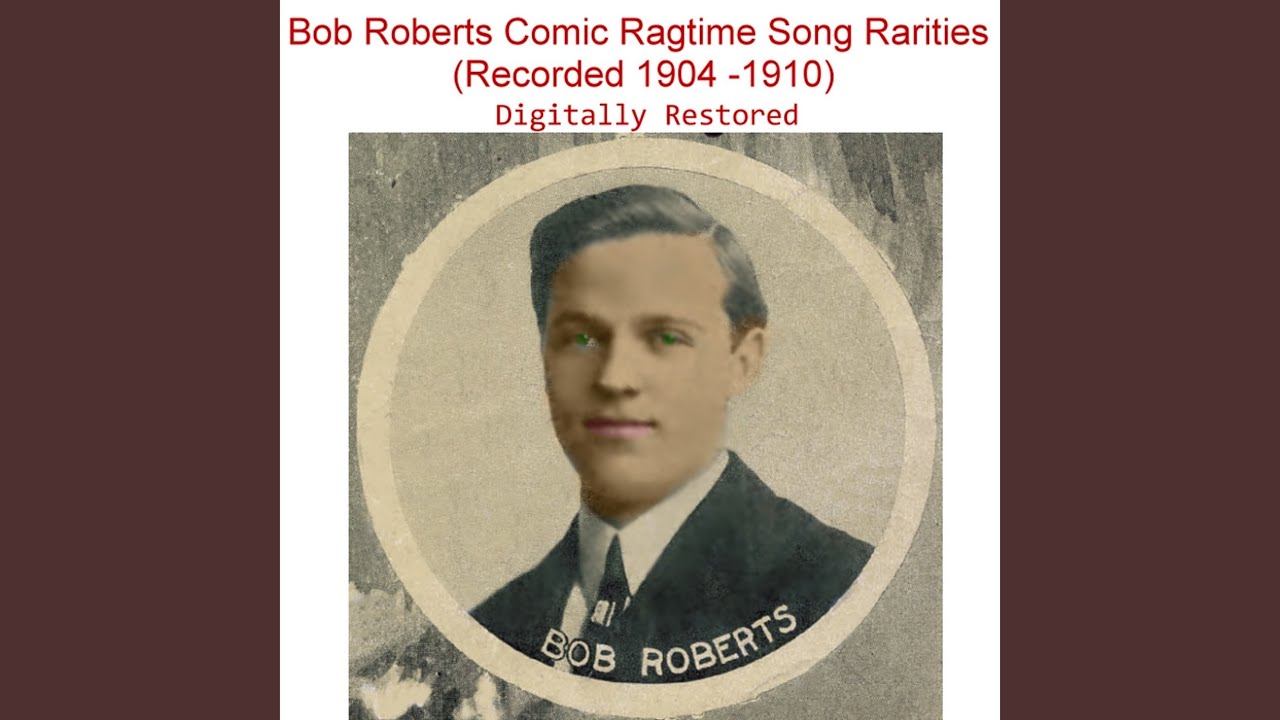
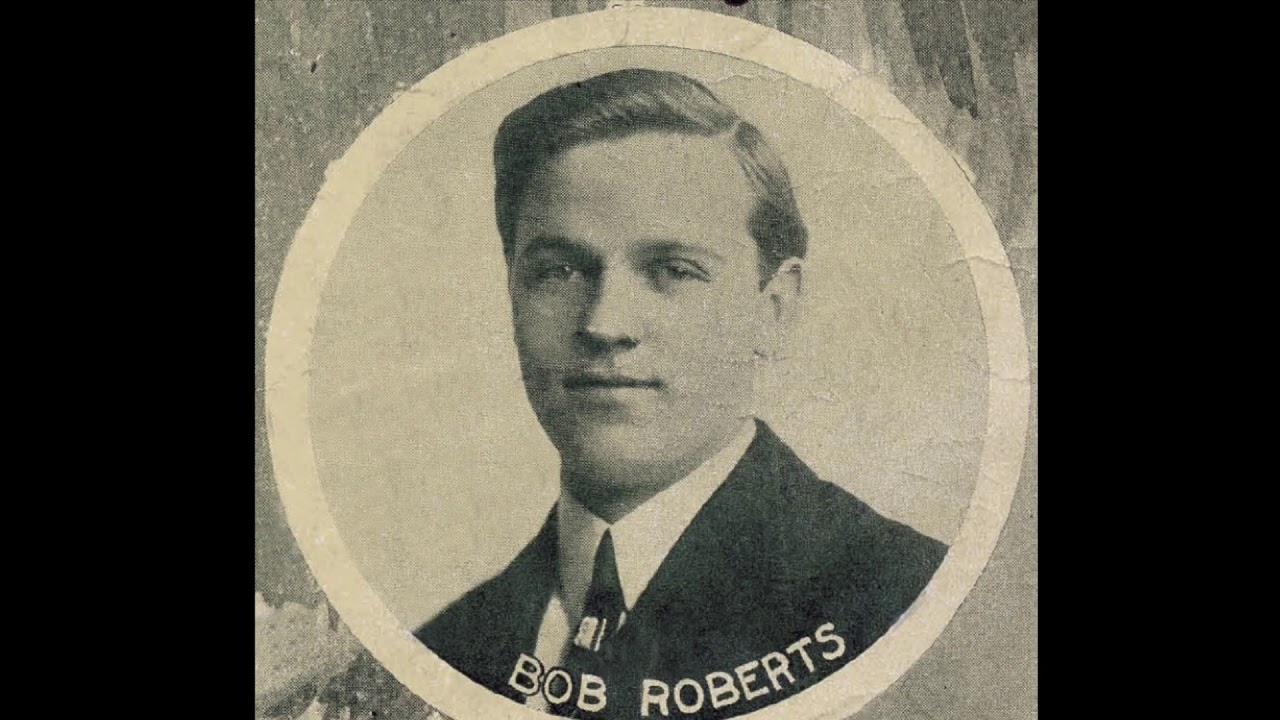
By 1903 the Columbia Quartet consisted of Campbell, second tenor Henry Burr, a baritone (probably Arthur Collins on most records though Bob Roberts may be on some--Steve Porter was abroad at this time but may have been a Peerless member from around 1906 to 1908), and basso "Big Tom" Daniels. Albert Campbell told Jim Walsh that Daniels sang in the quartet, and the likely years were 1902 and 1903. When Daniels was succeeded in late 1903 or early 1904 by Stanley, at least three of the original Peerless members were together.
The name Columbia Quartet is announced on very early Columbia discs but was not written on labels until around 1905. By 1907 the members adopted the name Peerless in order to work for other companies, naturally retaining the name Columbia Quartet for Columbia records.
Stanley did much of the lead singing upon joining. It was unusual for a bass-baritone to lead in quartet singing, which is normally led by the "second tenor" ("first" and "second" indicate the relative pitch of tenors, not their importance to a quartet--"first tenor" sings the highest). In male quartet singing, the bass usually sings the foundation or root of a chord, the second tenor sings the melody, the first tenor sings harmony above the melody, and the baritone completes the chord by filling in the missing link somewhere between the bass and the first tenor.
An early appearance of the Peerless Quartet name is in a February 1907 Zon-o-phone supplement announcing "Where Is My Boy Tonight?" (673). Company literature identifies members as Burr, Porter, Stanley, and "Frank Howard," which is the name often used for Campbell on Zon-o-phone releases.
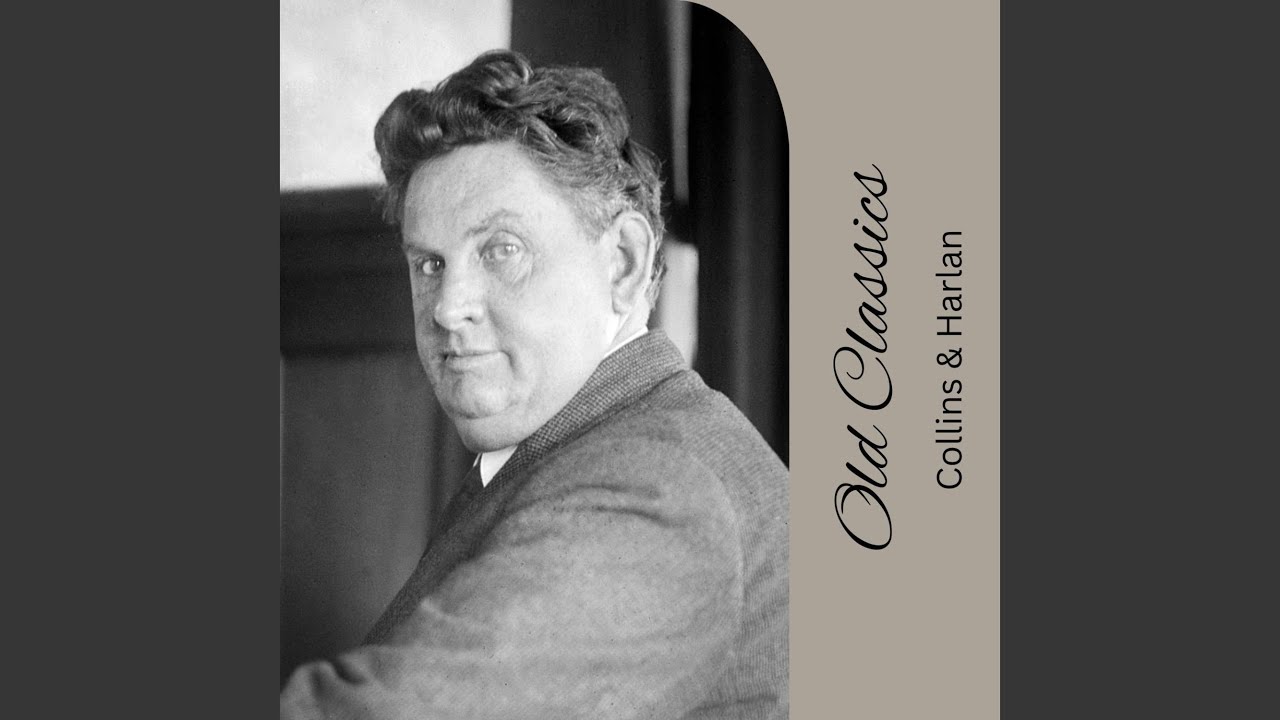
Arthur Collins was an important Peerless member, singing lead on some numbers. With a voice well-suited for ragtime and other upbeat numbers, he contributed to the quartet's versatility. He was especially prominent when the Peerless worked as a minstrel troupe on records, going by such names as the Virginia Minstrels on Victor 35095 and North Carolina Minstrels on Victor 35307. Stanley served as interlocutor and is addressed as "Mr. Stanley," but otherwise the men call each other by their first names--"Arthur," "Albert," and "Harry" (for Burr, who was a stuttering minstrel). John Meyer, addressed simply as "John," later served as interlocutor.
The quartet was called the Columbia Quartet on Columbia records for years after other companies adopted the name Peerless. The Peerless name did not appear in a Columbia list until the release of "That Raggedy Rag" (A1177) in August 1912 (the Peerless also recorded it for Victor 17341). From that point onwards the quartet was usually called the Peerless on Columbia labels though the foursome was occasionally called the Columbia Quartet into the World War I period.
Повторяем попытку...

Доступные форматы для скачивания:
Скачать видео
-
Информация по загрузке: