How To Clicker Train Your Dog | Chewtorials
Автор: Chewy
Загружено: 2024-08-13
Просмотров: 12816
Описание:
So, you’ve heard about clicker training for dogs and want to give it a go with your own pup? Good call. This type of basic training is often recommended for puppies, but its benefits extend to adult and senior dogs too. With clicker training, you can teach your dog the exact moment they executed a good behavior, then reward them for it so they’re more likely to do that desired behavior again and again.
What Is Clicker Training?
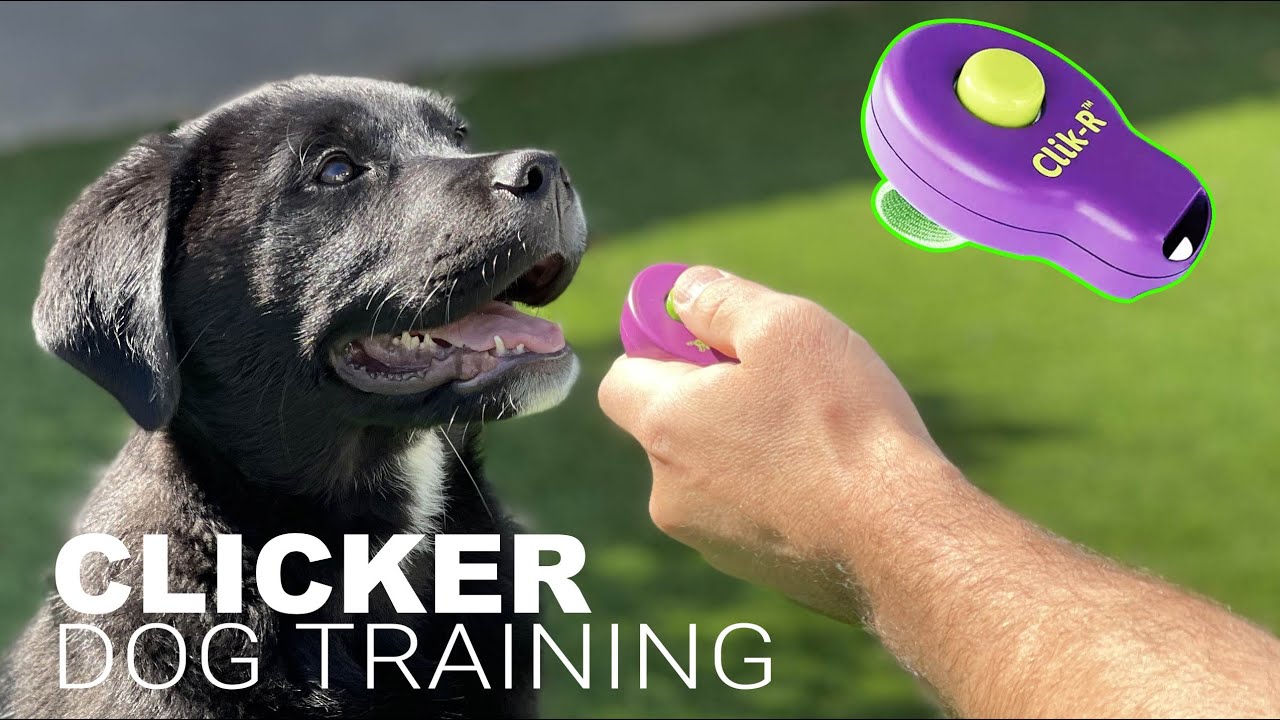
Clicker training is a form of positive reinforcement training that uses a clicker to communicate with a dog about when they will earn a reward.
A clicker, also known as a reward marker, is a small mechanical noisemaker that makes a distinct sound that’s easy for a dog to recognize. That sound indicates to a dog that they have just earned a reward, and is meant to bridge the time gap between a dog performing a desirable behavior and the delivery of a reward.
Clicker Training Supplies
Not all clickers are created equal. Some are louder or easier to use than others, so the type of clicker depends on the dog parent’s or trainer’s preference (and the dog’s preference as well).
Shop dog training clickers: https://www.chewy.com/b/clickers-2566
Clicker Training a Dog: Step-by-Step Instructions
If you’re learning how to clicker train your dog for the first time, refer to our step-by-step guide on this popular training technique.
1. Introduce the Clicker
Because some dogs are sound sensitive and may become agitated by the clicker, gently introduce the clicker to your dog in a safe way. Make sure you have plenty of high-value training treats nearby. In one hand, hold and click the clicker. With your other hand, immediately give your dog a high-value treat. These small steps will teach the dog to trust the clicker and associate it with a high-value reward—rather than something to be feared.
2. Wait for Good Behavior
It’s time to show your dog that their behavior can lead to a click (and treat). This can be any action or activity you approve of—whether it’s staying close to your side on walks; coming when called; or even just being calm and quiet.
If your dog already knows cues like “sit,” “stay” or “lie down,” you can incorporate clicker training to reinforce those skills too. Give your cue (i.e., “sit”) and then continue to the next steps.
3. Click the Clicker and Give a Treat
The click provides your dog with a sound cue to let them know they did the right thing by performing the desired behavior. If your dog performs the desired behavior, give positive reinforcement by clicking the clicker immediately. Continue the positive reinforcement by giving your dog a food reward immediately after clicking the clicker.
4. Phase Out the Treats
Slowly, over time, you’ll want to remove the food reward in favor of verbal praise. Repeat steps 2 and 3, but instead of giving a food reward, give your pup lots of verbal praise, and pet or scratch them to let them know they did a good thing.
5. Phase Out the Clicker
When your dog is reliably performing the desired behavior without food rewards, begin phasing out the clicker. The goal is for your praise and attention to be their reward. So, give your dog a cue, wait for them to follow your instructions, and when they do, shower them with love—but leave the clicker out of it.
You may be wondering: What’s the value of learning with the clicker if it is just going to be phased out? Many dog trainers believe clicker training helps dogs learn faster and improves communication with your pet.
Think of it as a type of treat for your pup: When you’re first house-training a puppy, for example, you might give them a treat every time they successfully go potty outside. However, you wouldn’t continue that reward for the rest of their life; eventually, they learn to go outside, and that reward is phased out when they prove they know what to do. It’s the same concept with a clicker.
Tips and Tricks for Clicker Training a Dog
Consistent, short bursts of training are typically the most effective for teaching your dog a new behavior. Keep training sessions short—just a few minutes at a time—with play breaks in between.
Timing is also a crucial element in clicker training for dogs. If you press the clicker too early or too late, you may confuse your dog about what the good behavior actually is. Practice and watch your dog for signs of understanding (or confusion) to help get the timing right, so your dog can clearly understand what the good behavior is.
Now that you’re ready to start clicker training, it’s time to decide what to teach your dog first! Check out all the fun new dog training skills they can learn: https://be.chewy.com/sit-stay-and-bey...
#chewy #chewtorials #clickertraining #dogtraining #dogclicker
Повторяем попытку...

Доступные форматы для скачивания:
Скачать видео
-
Информация по загрузке: