Do API Resource Endpoints Automatically Trigger Custom Controller Methods in Laravel?
Автор: vlogize
Загружено: 2025-01-20
Просмотров: 4
Описание:
Explore whether API resource endpoints in Laravel automatically call custom controller methods and learn how to handle them in your application.
---
Disclaimer/Disclosure: Some of the content was synthetically produced using various Generative AI (artificial intelligence) tools; so, there may be inaccuracies or misleading information present in the video. Please consider this before relying on the content to make any decisions or take any actions etc. If you still have any concerns, please feel free to write them in a comment. Thank you.
---
Do API Resource Endpoints Automatically Trigger Custom Controller Methods in Laravel?
When working with Laravel, defining API resource routes is common for creating, reading, updating, and deleting records in a RESTful architecture. However, a frequent question arises: Do API Resource Endpoints Automatically Trigger Custom Controller Methods in Laravel? Understanding this interaction is crucial for building effective and maintainable APIs.
Laravel's Approach to API Resources
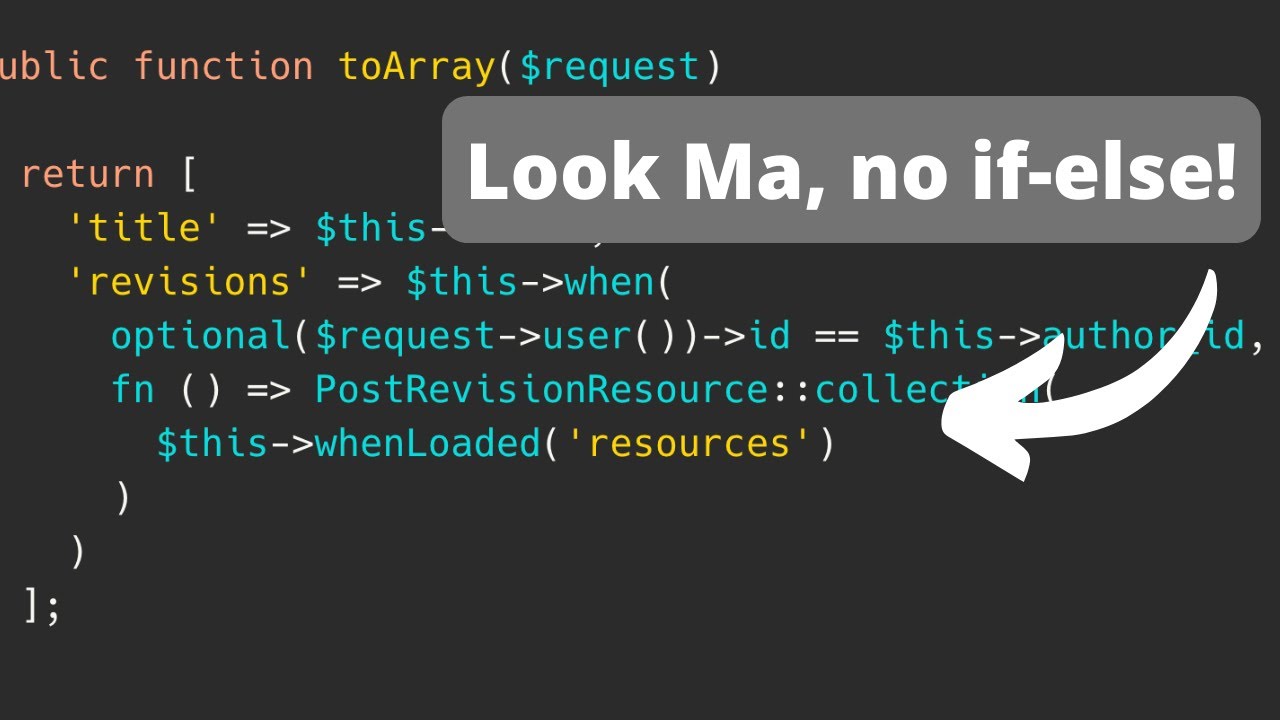
Laravel simplifies the process of routing and controller actions through its resource controllers. With a single line of routing code, you can enable a controller to handle standard HTTP requests for a resource. For example, using Route::apiResource('posts', PostController::class); in your routes/api.php file automatically maps typical CRUD routes to the corresponding controller methods.
Standard Methods and Resource Routes
By default, API resource routes in Laravel map to the following methods in the specified controller:
index: GET /posts
store: POST /posts
show: GET /posts/{id}
update: PUT/PATCH /posts/{id}
destroy: DELETE /posts/{id}
These routes handle common CRUD operations out-of-the-box, making it extremely efficient to manage basic resource actions.
Custom Controller Methods
But what if you need to define custom behavior that goes beyond the default method handling? Laravel provides flexibility to extend or override these standard actions. By defining additional methods within your resource controller, you can customize how specific requests are handled.
To make these custom endpoints operational, you will need to explicitly define these routes in your routes file. Laravel does not automatically trigger custom controller methods unless specified.
[[See Video to Reveal this Text or Code Snippet]]
In this example, a custom route /posts/popular calls the popular method on the PostController.
Best Practices
Single Responsibility Principle
Ensure that each method within your controller has a single responsibility. Avoid overcrowding your controller with too much logic by offloading complex tasks to services or jobs.
Avoid Overriding Standard Methods
Whenever possible, refrain from altering the default behavior of standard methods. It helps maintain the predictability of your API and reduces the complexity for anyone maintaining the codebase.
Document Custom Routes
Providing clear documentation on your API's endpoints, especially the custom ones, is essential. It helps other developers understand the extended functionalities without diving deep into the source code.
Conclusion
In summary, while Laravel's API resource controllers provide a powerful way to handle standard CRUD operations, they do not automatically trigger custom controller methods. Custom logic must be explicitly defined and routed to ensure proper functionality. By understanding and leveraging these capabilities, you can create robust and maintainable APIs in Laravel.
Повторяем попытку...

Доступные форматы для скачивания:
Скачать видео
-
Информация по загрузке: