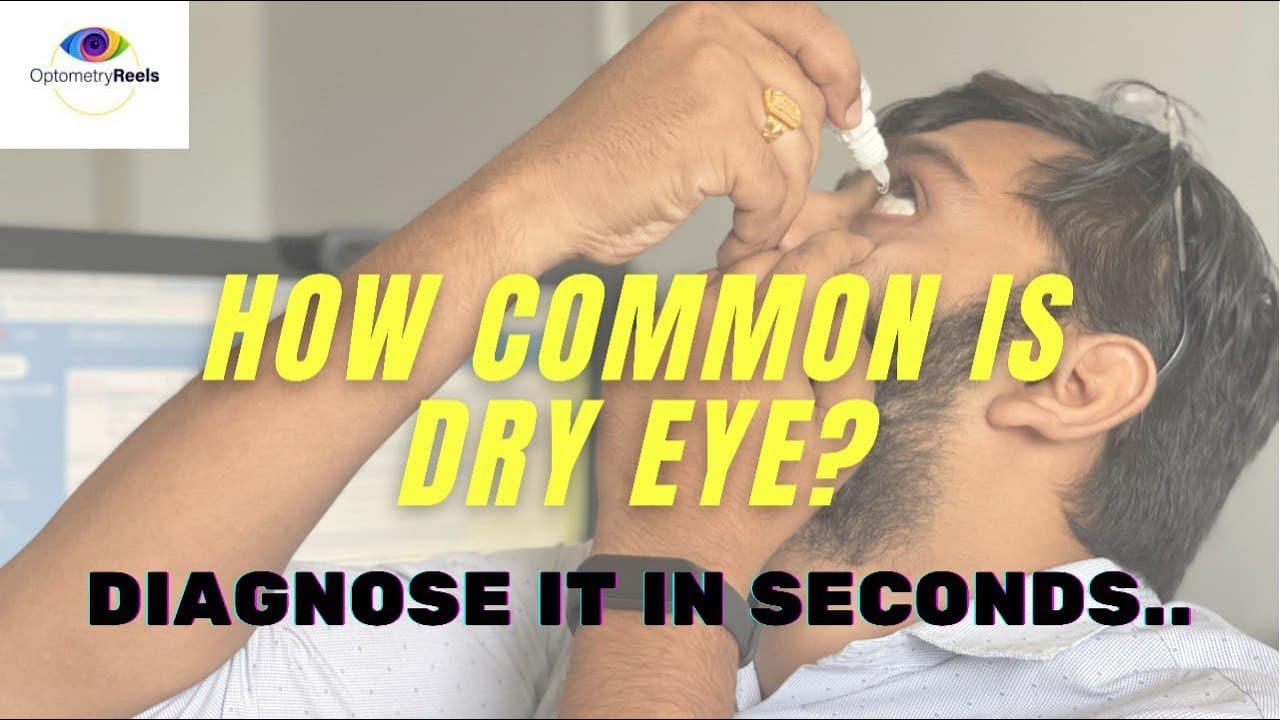
TBUT II Tear Film Breakup Time II Test for dry eyes
Автор: Optometryreels
Загружено: 2021-07-10
Просмотров: 4185
Описание:
Tear film breakup refers to the phenomenon where the protective layer of tears covering the surface of the eye becomes unstable and breaks apart. The tear film is a thin layer of fluid that covers the cornea, the front surface of the eye, and the conjunctiva, the membrane that lines the inside of the eyelids.
The tear film is composed of three layers:
Lipid (oily) layer: This layer, which is produced by the meibomian glands located along the eyelid margins, helps to prevent evaporation of tears. It forms the outermost layer of the tear film.
Aqueous (watery) layer: This layer makes up the bulk of the tear film and is produced by the lacrimal glands located above the outer corner of each eye. It contains water, electrolytes, and proteins that nourish and protect the cornea.
Mucin layer: The innermost layer of the tear film is composed of mucus produced by the goblet cells in the conjunctiva. This layer helps the tear film adhere to the surface of the eye, ensuring uniform coverage and smoothness.
Under normal circumstances, the tear film remains stable and spreads evenly across the eye with each blink. However, tear film breakup can occur due to various reasons, including:
Insufficient tear production: If the lacrimal glands do not produce enough tears or if there is a disruption in tear production, the tear film may become thin and inadequate, leading to breakup.
Poor lipid layer: Problems with the lipid layer can result in increased tear evaporation, leaving the aqueous layer exposed and prone to breakup. This can happen if the meibomian glands do not secrete enough oil or if the oil is of poor quality.
Abnormalities in the ocular surface: Conditions such as dry eye syndrome, conjunctivitis, or damage to the cornea can disrupt the tear film, making it more prone to breakup.
When tear film breakup occurs, small areas of the ocular surface become exposed, leading to discomfort, dryness, and irritation. It may also cause visual disturbances, such as blurred vision or fluctuations in vision quality. Tear film breakup is commonly assessed using techniques like tear breakup time (TBUT), where the time it takes for the tear film to break apart is measured after a blink.
Managing tear film breakup typically involves addressing the underlying cause. This may include using artificial tears or lubricating eye drops to alleviate dryness, addressing any underlying eye conditions, or managing meibomian gland dysfunction. In some cases, advanced treatment options, such as tear film stabilizers or prescription medications, may be necessary to improve tear film stability and alleviate symptoms.
*********************************************************************
Follow me on social media
*********************************************************************
/ dr.nooruz
/ dr_nooruz
*********************************************************************
#Dryeye #TBUT #tearfilmbreakuptime #testfordryeyes #diagnosedryeyes #optometry #Eyecare #online #learn #teach #practice #Optometryreels #Eyehealth #optometrystudents #Clinicalskills #learnskills #YouTube
If You liked the video please subscribe to my channel...
Keep supporting and motivating me so I can continue to provide more useful videos
__________________________________________________________________________
Thank you for watching!
___________________________________________________________________________
Повторяем попытку...
Доступные форматы для скачивания:
Скачать видео
-
Информация по загрузке: