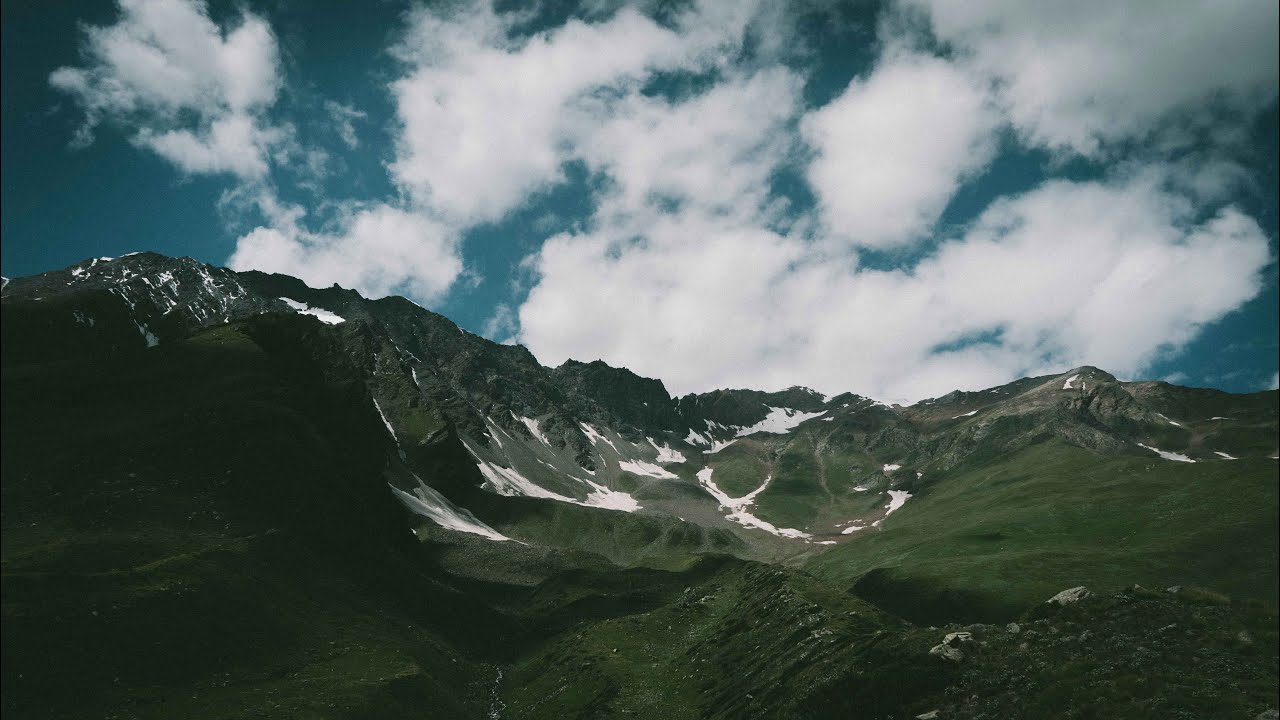
Nelong Valley an unknown । June 2018
Автор: Tilak Pal
Загружено: 2020-02-09
Просмотров: 146
Описание:
ADVENTURE
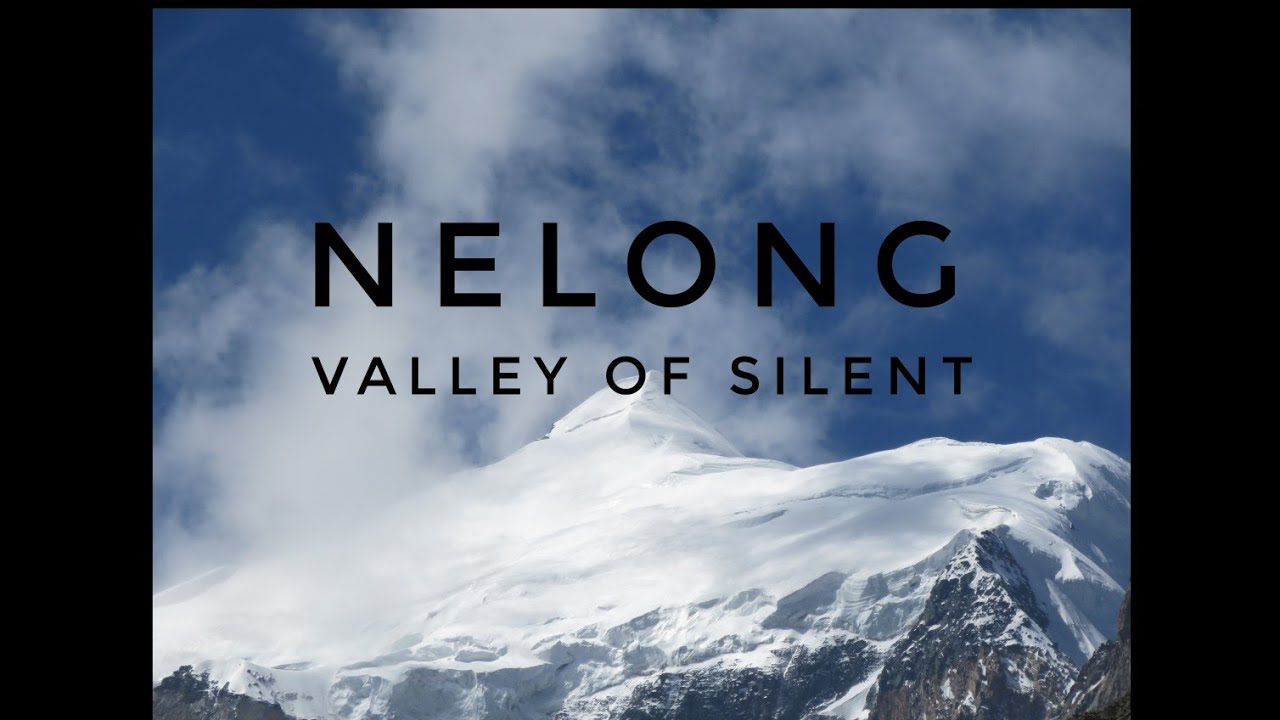
Nelong Valley: The Best Kept Secret of Uttarkashi, Uttarakhand
One of those untouched places is Nelong Valley, situated near the Indo-China border in the Uttarakhand Himalayas, which provides a view of Tibetan Plateau. It is a new addition to the bucket lists of the explorers, as it opens for tourists for the first time since the 1962 Indo-China war. It was once a popular Indo-Tibet trade route; however, as a result of the war, the valley came under restricted area where movements, even for the locals, were regulated for 53 years.
This disassociation has left valley with little to no infrastructure to support the conventional tourism. However, that is what its USP is; many professional trekkers who have skimmed other unregulated valleys are now swamping it in droves.
The valley, a cold desert like area, looks unlike anything else because of its segregation. Since there had been no external interference, the wild life has thrived- Himalayan blue sheep, snow leopards and musk deer—and nature have taken over the treacherous hand-built wooden bridge, known as Gartang Galion, which once was a route to China, an artery for trade.
Location : Under the Gangotri National Park, Uttarkashi district, Uttarakhand, the valley is located at an altitude of 11,000 feet (3352.8 meters) above the sea level, and it is around 315km away from Dehradun. You can reach the valley through Bhaironghati, which is just an 8km trek from Gangotri shrine—an easily accessible place, given its religious importance.
History and people of the region: The Bhotiya tribe was the original inhabitants of the valley, trading carpets, blankets and woolen clothes weaved by women as well as food items such as tobacco, tea, coffee, barley, and rice. There are evidences of trade of agricultural equipment and copper products, and medicines, as well. All this was traded at Bada Haat, a big market, based on the barter system; it was the mainstay of the local economy. The Bhotiya traders followed the old trade route, which involved the wooden bridge, still reported to be intact, and the Lal Devta temple, where they offered prayers before embarking on their ancient trading route to Tibet
Повторяем попытку...
Доступные форматы для скачивания:
Скачать видео
-
Информация по загрузке:





![🇮🇳Reality of 80% of India ] India's Most Populated Cities And Villages [ Real India](https://imager.clipsaver.ru/g9fPEEnpiW4/max.jpg)