Fault Gouge Gold 101 (Module 4) Fault Gouge To High-Grade Ore Shoot
Автор: Aurum Meum AI Academy
Загружено: 2025-06-12
Просмотров: 17923
Описание:
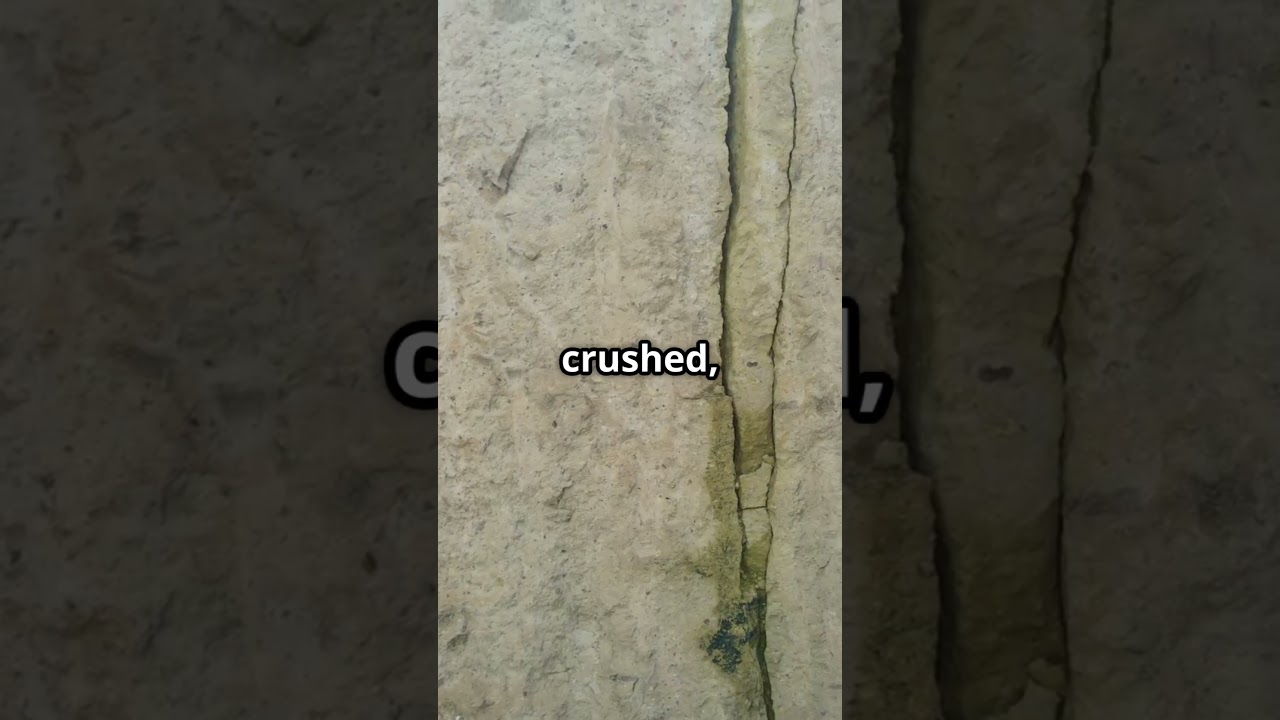
Unlock the secrets of gold mining in this captivating YouTube Short, "From Fault Gouge to Gold: The Secret Pathway!" Discover how broken rock zones, like fault gouge, lead to high-grade gold deposits. We dive into the fascinating transition from crushed gouge to mineral-rich ore shoots. See how these unique geological formations trap precious fluids and create concentrated pockets of gold.
Join us on this visual journey as we explore the pathway that transforms soft gouge into solid riches.
Fault Gouge to Ore Shoot – How Broken Rock Leads to High-Grade Gold
Description:
Most prospectors search for quartz veins and surface indicators—but few realize that the crushed rock zones we call fault gouge are often the launchpads for ore shoots. These are the rich, localized zones of gold concentration that miners dream of hitting—and they often begin in the most broken ground imaginable.
In this game-changing module, we explain how fault gouge transitions from a soft clay-filled channel into a structural trap where high-grade gold is deposited. The process begins with fault movement, which crushes rock into gouge and opens fluid pathways. Gold-bearing fluids rise through these crushed zones, but they don’t deposit their load until the right trigger is hit.
That trigger could be:
• A drop in pressure as the fault widens
• A chemical reaction with host rock like carbonates or iron-rich walls
• A physical barrier such as a vein pinch, jog, or tighter host matrix
The result? Gold drops out of the fluid and concentrates in a pay streak that follows the fault line vertically or along a dilation zone. This is the birthplace of an ore shoot.
⸻
🔍 What You’ll Learn in Module 4
• How soft gouge evolves into hard mineralized zones
• What structural settings produce dilation, jogs, or vein swelling
• How to recognize the upward or downward continuation of an ore shoot
• Field markers for where the gouge-to-ore transition likely begins
• How breccia and silica veining signal nearby enrichment
⸻
🧭 Field Application: Track the Transition Zone
In the field, these transitions show up where soft fault gouge meets denser alteration. You may see:
• A zone of increasing quartz veining, often within or just beside the gouge
• Rust-stained walls that suddenly grow harder or more brittle
• An increase in rock fragments cemented with silica, manganese, or iron
Prospectors who find these zones should test across the gouge margin and deeper into the altered vein body. Take channel samples across strike and pan the material near any dilation point. You’re not just looking at crushed ground anymore—you’re stepping into the funnel of an ore body.
⸻
🧪 Bonus Signs of a Developing Ore Shoot
• Clay turns to breccia or welded rock
• Veins start to “blow out” or widen
• Limonite halos darken and expand
• Trace visible gold or sulfide boxwork appears
• High manganese levels near narrowing faults
⸻
🛰️ Map It Before You Dig
Ore shoots often form at fault jogs, where the structure kinks, bends, or intersects another zone. These subtle structural changes are visible in high-resolution geologic maps—and we’ve built them into the Deep Dig AI Gold Map overlays.
Cross-reference gouge zones, vein direction, and host rock type. You might find a “hidden shoot” that others walked past because they didn’t know what gouge really meant.
⸻
From crushed beginnings come golden endings. Fault gouge isn’t just the route—it’s the engine behind ore shoot formation. This module will change the way you see broken ground.
#OreShoots #FaultGouge #GoldProspecting #BrokenRockGold #AurumMeum #GoldGeology #VeinGold #HardRockMining
Don’t forget to like and share this video to spread the knowledge of geology’s hidden treasures!
#GoldMining #Geology #FaultGouge #OreShoot #HighGradeGold #MiningSecrets #aigoldmap
Повторяем попытку...
Доступные форматы для скачивания:
Скачать видео
-
Информация по загрузке: