Grass Fed Beef: An Edge for Atlantic Beef Producers
Автор: Agriculture and Agri-Food Canada
Загружено: 2014-06-13
Просмотров: 3202
Описание:
In Nappan, Nova Scotia, Agriculture and Agri-Food Canada research scientist Yousef Papadopoulos is developing new grass and legume mixtures for cattle forage to improve the quality of meat and growth results. These beef trials are ongoing. Learn about the initial successes of this project.
For an accessible version, please visit:
http://www.agr.gc.ca/eng?id=140240999...
Follow us on our other platforms for the latest Agriculture and Agri-Food Canada updates!
-Website: http://www.agr.gc.ca/eng/home/?id=139...
-Facebook: @CanadianAgriculture
/ canadianagriculture
-Twitter: @AAFC_Canada
https://twitter.com/AAFC_Canada?ref_s...
------------------------------------
Full Video Transcript:
Narrator: Eastern Canada has vast tracts of farmland ideal for livestock grazing. And to make the most of it Agriculture and Agri-Food Canada research scientist Yousef Papadopoulos is developing new grass and legume mixtures that can turn ordinary pastures into grassland that beef cattle can’t wait to get at.
Papadopoulos: Over 50 per cent of acreage in Canada is ..can grow grass but can’t grow anything else, so it is a tremendous power for productivity and what we would like to do is we want to utilize these resources that can’t be used for any other agriculture product and make the best out of it. We can grow forages, good productive forages while sustaining the quality, not only quality, but quantity.
Narrator: The beef trials at the Nappan, Nova Scotia farm will run through 2016 with performance and quality evaluated for best growth results.
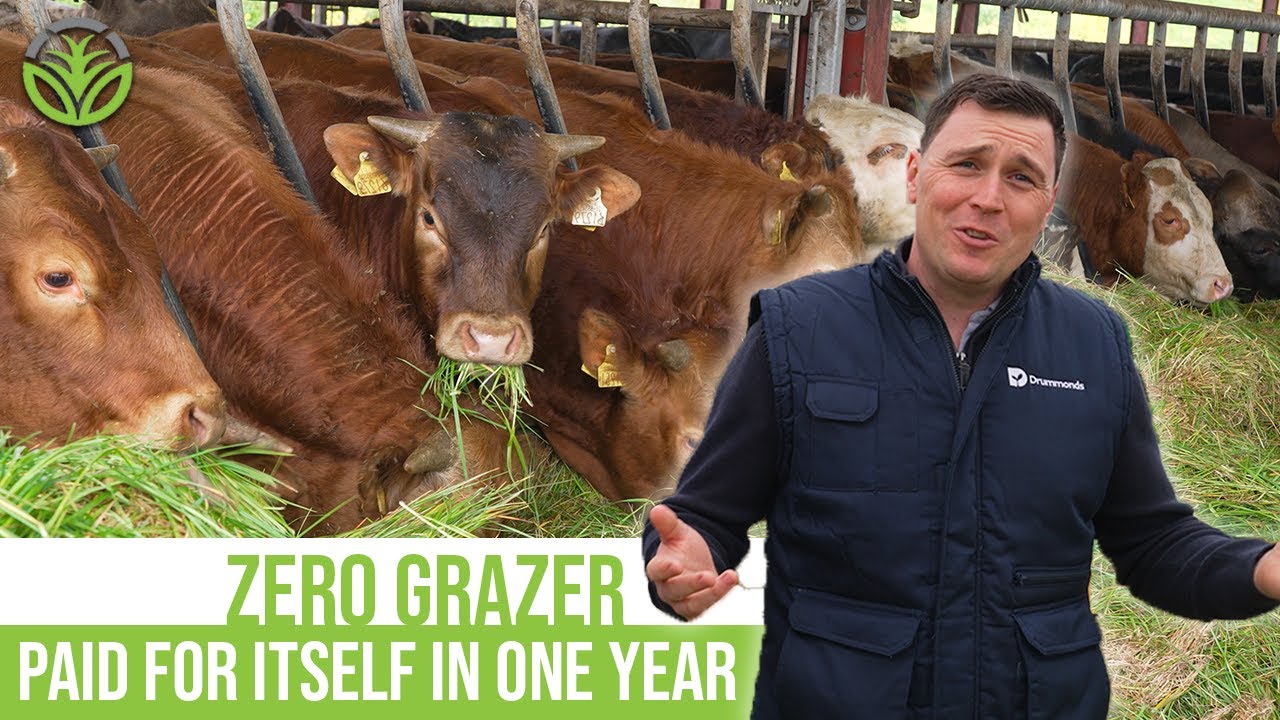
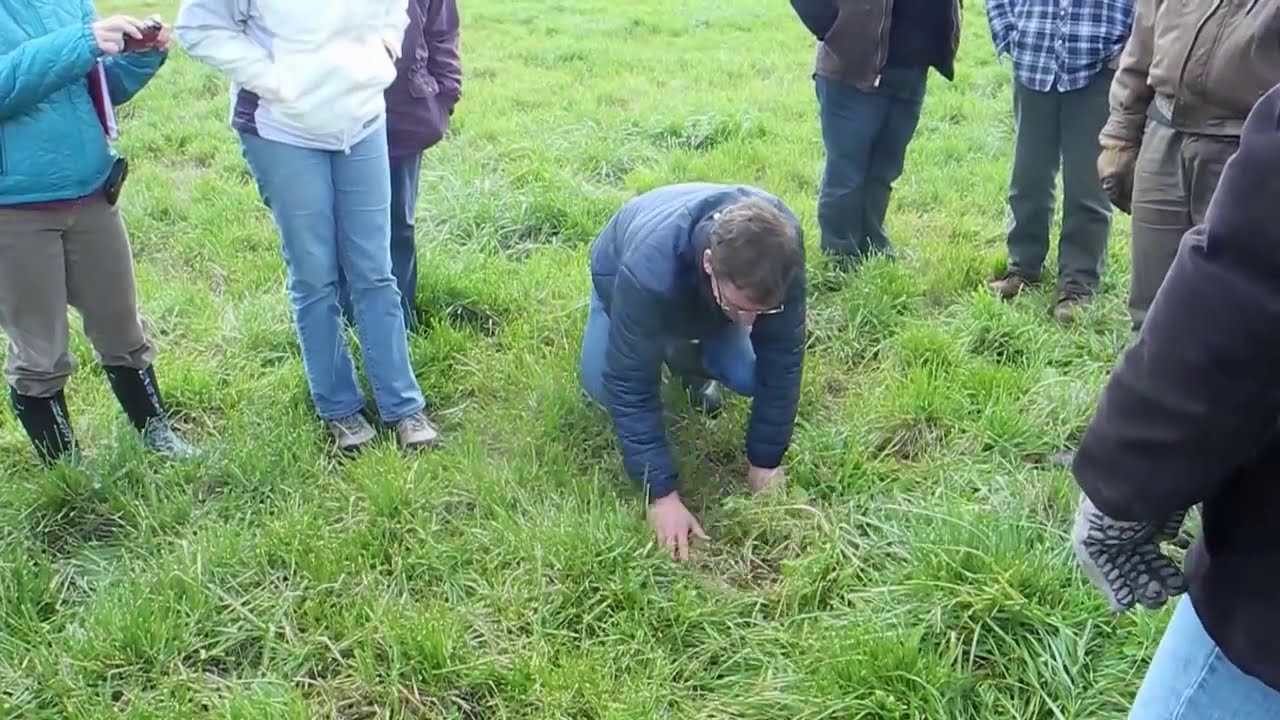
Papadopoulos: We identified the top four mixtures and put them in combination with two different legumes and we divided this pasture behind me into those different mixtures, we have eight mixtures. This forage has the balance of the fibre as well as the good quality the protein, the sugar that has high energy content.
Narrator: Agriculture and Agri-Food Canada research biologist John Duynisveld, a specialist in animal nutrition and grazing is seeing good fat and marbling quality in his results.
Duynisveld: Getting the degree of back fat and marbling is one of the bigger challenges to achieve and we are finding some of the mixtures seem to have definite advantages in that regard. Well, every one of them actually would have sufficient back fat to make “A” quality grade and their marbling is single “A” and double and triple “A” degree of marbling.
Narrator: The goal is to provide beef producers with improved profit margins. Papadopoulos knows the research can be a source of better sales. With pasture as a feed source for finishing cattle, beef producers are not as dependant on expensive grain as a feed supplement.
Papadopoulos: Now these grain… it is very expensive to purchase so for beef farmers especially in eastern Canada but many other regions.. they are cutting away from their profit . They are looking at every outcome of research we have and we have a quite popular animal field day because our farmers really want to know.. they look at our pastures they say this one looks a lot better than what I have….what you have there, how can I duplicate it?
Narrator: Grass fed beef is getting a reputation for quality says Duynisfeld.
Duynisveld: …and there is a very growing demand from the consumer market standpoint for grass fed beef there is a lot of interest and it is something it appears we can do quite well in Nova Scotia and the Maritimes.
Narrator: Duynisveld says the pasture grass approach is not for everyone but there are advantages in lower costs and new sales opportunities.
Duynisveld: In many ways it is a lot easier to feed animals in the barn because of a lot of your conditions are less variable from day to day, but the costs are also a lot higher, but with a pasture finishing scenario you have a lot less infrastructure costs and you can potentially get these market premiums that are out there as well so the opportunity is there for producers who are willing to take on the management to make this happen.
Narrator: Beef producers in the region are aware of the research and are showing interest in the project results.
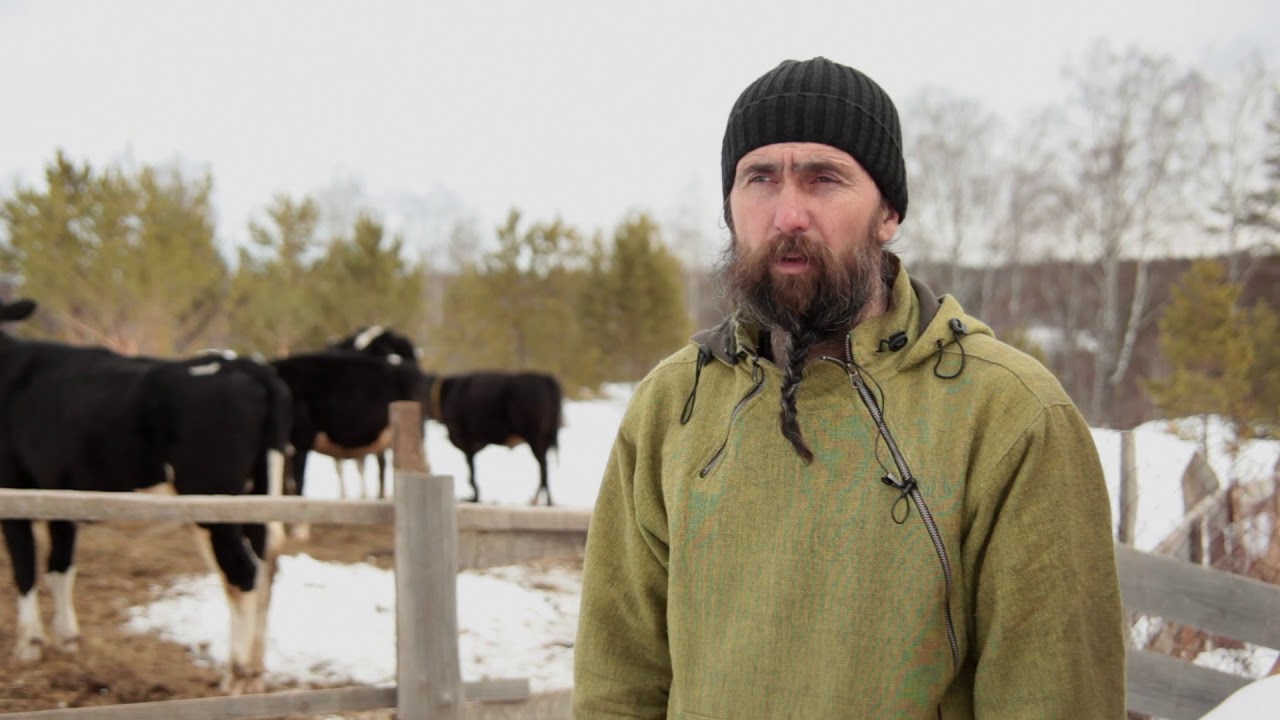
Tilley: They are ahead of the curve, they’ve got types of grasses that maybe we will all start using in a couple of years. I mean that’s what I am looking at, we’re looking at well OK if we are going to renovate pastures that we’ve got at home, what should we put in it? It’s no good for us to put in what we have always put in because they are not working right. So, you know a place like Nappan provides us with the information that we are going to need to make those choices. So, it is very, very important for us in the Maritimes. We need to find a way to use forage, to use grass and clovers and so on, because that’s what we’ve got here. That’s what we can grow. So that is going to be the future. Anything that pushes that future forward is what we need to have.
Повторяем попытку...
Доступные форматы для скачивания:
Скачать видео
-
Информация по загрузке: