Fertility Ovarian Reserve Test - IVF Matters
Автор: IVF Matters
Загружено: 2016-10-17
Просмотров: 204
Описание:
If you're considering fertility treatment, you may have heard of the ovarian reserve test. This test measures the number of egg sacs s a woman has in her ovaries, and can be a helpful predictor of fertility. In this video, we'll explain the ovarian reserve test, how it's performed, and what the results mean. We'll also discuss how the ovarian reserve test can help you decide on your fertility treatment.
What causes infertility?
Infertility is when a couple cannot conceive despite having regular unprotected sex for at least a year. 1 in 6 couples has difficulty getting pregnant. The cause varies from person to person and couple to couple. It can be related to male or female factors or both.
Conditions affecting a woman’s fertility include:
damage to the fallopian tubes
ovulatory problems
endometriosis
conditions affecting the uterus
age – female fertility declines after the age of 35
Polycystic Ovary Syndrome (PCOS)
medical conditions such as diabetes, epilepsy and thyroid diseases
lifestyle factors such as stress, being overweight or underweight, and smoking
What tests can be done to investigate the cause of infertility?
The only way to really understand what is happening with your fertility is to have comprehensive fertility tests. For men, a semen analysis can assess sperm quality. For women, blood tests and ultrasound scans are performed to assess the hormone levels, the egg sac count and the uterus.
Female partner tests
ORT
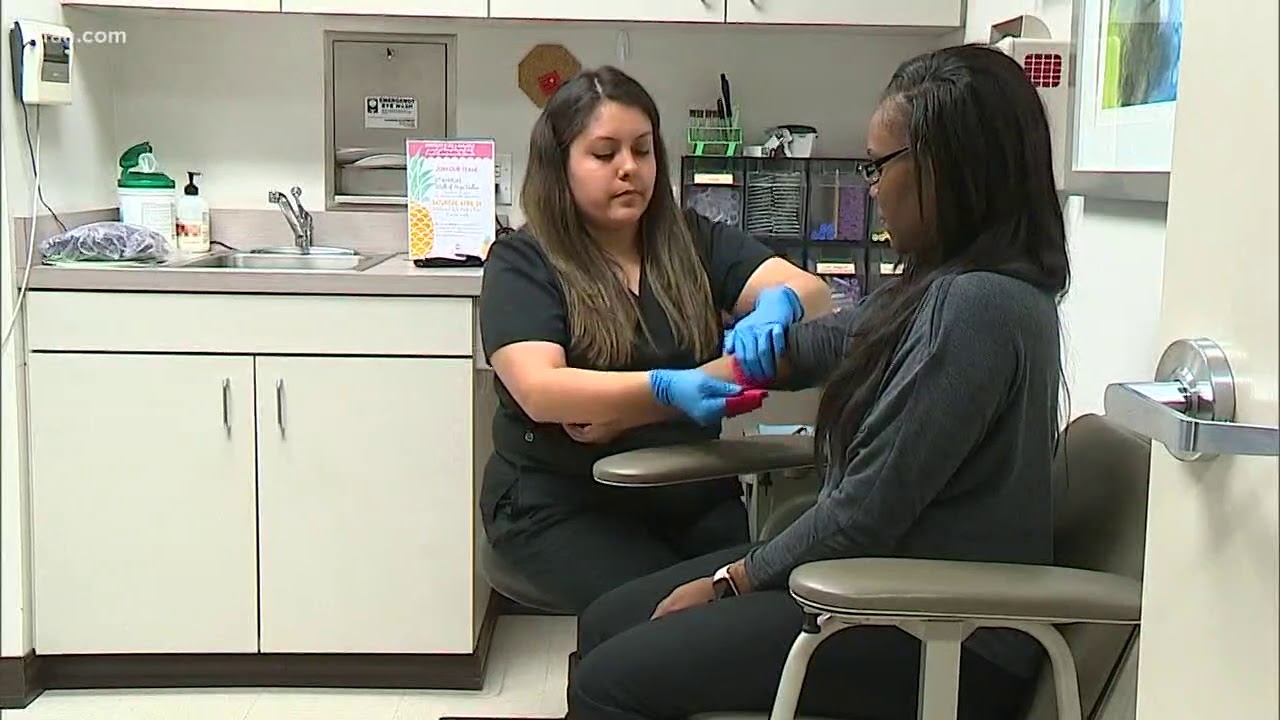
The ORT (ovarian reserve test) is performed between days 1 and 5 of the period. It involves a transvaginal scan and baseline blood hormone profile (E2, FSH and AMH).
Aqua Scan – Uterine cavity assessment
An Aqua scan is performed to look for uterine pathologies such as polyps and fibroids. It involves passing a catheter through the neck of the womb, followed by distension of the uterine cavity. 3-dimensional images of the uterine cavity are taken and assessed.
HyCoSy – Tubal patency assessment
The HyCoSy is a procedure to test the patency of the fallopian tubes. A catheter is introduced into the cervix, and an ultrasound probe is placed in the vagina. A dye is injected into the uterine cavity, and its flow into the tubes is observed.
Hysteroscopy
Hysteroscopy is a procedure whereby a telescope is passed into the vagina and through the cervix (entrance to the womb) to view the womb's lining and the opening of the fallopian tubes. Polyps, fibroids and any adhesions can be removed simultaneously using a Resectoscope.
Laparoscopy
Laparoscopy is a surgical procedure that involves the insertion of a narrow telescope-like instrument through a small incision in the belly button. This allows visualization of the abdominal and pelvic organs, including the uterus, fallopian tubes and ovaries. This procedure allows us to determine whether there are any defects, such as scar tissue, endometriosis, fibroid tumours and other abnormalities of the uterus, fallopian tubes and ovaries.
Immune Tests
An overactive immune system may cause recurrent miscarriages or implantation failures. A blood test can be done to look for the presence of immune markers. Your consultant will discuss this with you if you need this additional test.
Subscribe: / @ivfmatters
Website: https://www.ivfmatters.co.uk/collecti..., https://www.ivfmatters.co.uk/collecti...
#IVF #Fertility #OvarianReserve
Повторяем попытку...

Доступные форматы для скачивания:
Скачать видео
-
Информация по загрузке: