Recreating the Old School Twister Tail Grub that Helped Hank Cherry Win Big!!!
Автор: Wapsie River Rat Fishing
Загружено: 2026-02-21
Просмотров: 324
Описание:
Follow Us On:
Facebook
https://www.facebook.com/profile.php?...
Instagram
/ wapsie.river.rat.fishing
Contact:
[email protected]
-------------------------------------------------------------------------------------------------------------------------
Companies I Trust and Order From:
Kill Shot Coffee Co. - earn 5% off from your order
https://killshotcoffeeco.com/?ref=Wap...
8bit Baits
https://8bitbaits.com/
Do-It Molds:
https://store.do-itmolds.com/
Barlow's Tackle:
https://barlowstackle.com/
Tackle Warehouse
https://www.tacklewarehouse.com/
Dead On Plastix:
https://deadonplastixllc.com/
Lure Works:
https://shoplureworks.com/
Dakota Angler:
https://dakotaangler.com/
In this video, I take you step by step through the exact soft plastic color and bait styles that played a key role in helping *Hank Cherry* dominate on the biggest stage in professional bass fishing — the **Bassmaster Elite Series**. If you’ve ever wanted to replicate a proven, tournament-winning profile in your own garage, this is the build you’ve been waiting for.
We’re focusing on a bright, high-visibility color pattern built around chartreuse and lime tones — a combination that excels in stained water, springtime conditions, and around aggressive fish that are feeding shallow. This is the kind of color that gets noticed. Whether you’re targeting bass in dirty water, around cover, or during pre-spawn and spawn transitions, this blend flat out produces.
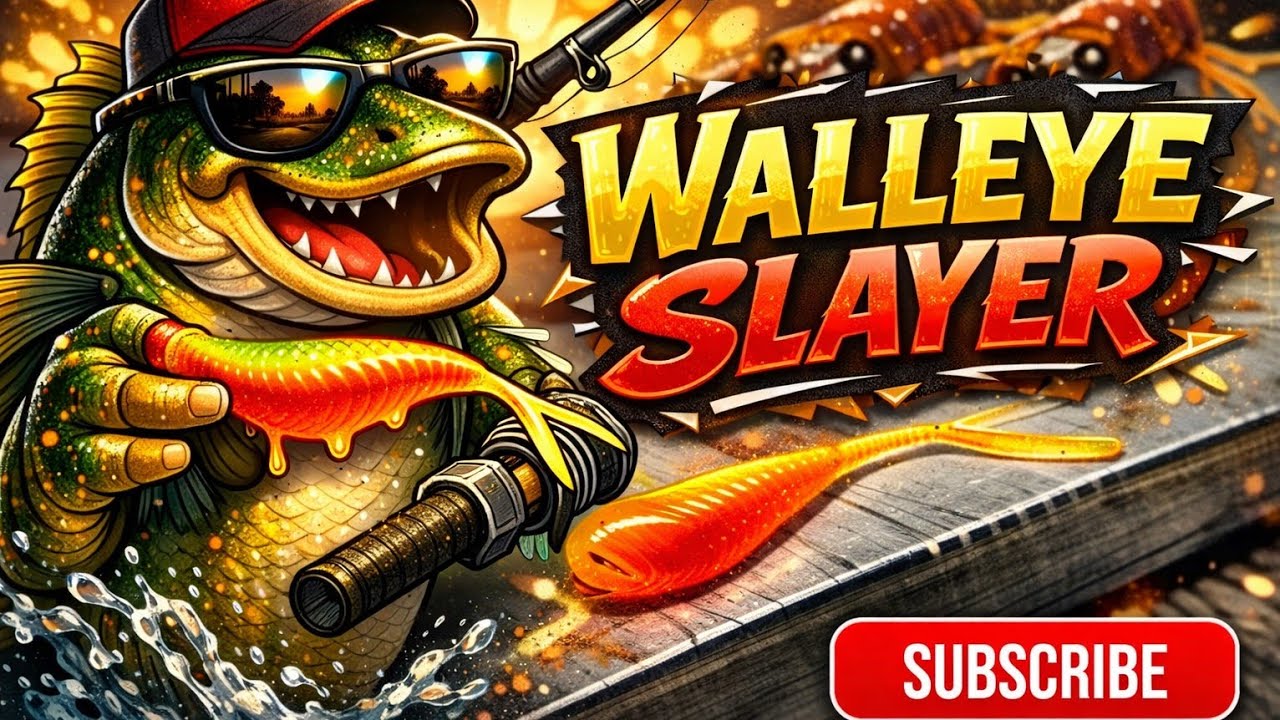
To create these baits, I used precision aluminum molds from **Do-it Molds**. Specifically, I poured the Twister Tail Grub, the Triple Tail, and the Walleye Slayer profiles. Each of these molds brings something different to the table.
The Twister Tail Grub is a timeless classic. Its thin, responsive tail activates at extremely slow retrieve speeds, making it deadly on a jighead, swim jig, or even as a trailer. The Triple Tail design adds extra vibration and water displacement with multiple kicking appendages, giving fish more movement to key in on. And the Walleye Slayer profile offers a versatile baitfish shape that works equally well for bass when rigged on a jig, underspin, or even as a finesse presentation. By pouring all three styles in the same proven color scheme, you get multiple tools that match the hatch while offering different actions.
For the color foundation, I used NeoLime from *Dead On Plastix* as the primary base. NeoLime provides an intense, vibrant green that absolutely glows in the water. I layered in Chartreuse, also from Dead On Plastix, to create depth and brightness that stands out in off-color conditions. The combination of these two colors creates a bold profile that bass can track from a distance.
But color alone isn’t enough — detail matters.
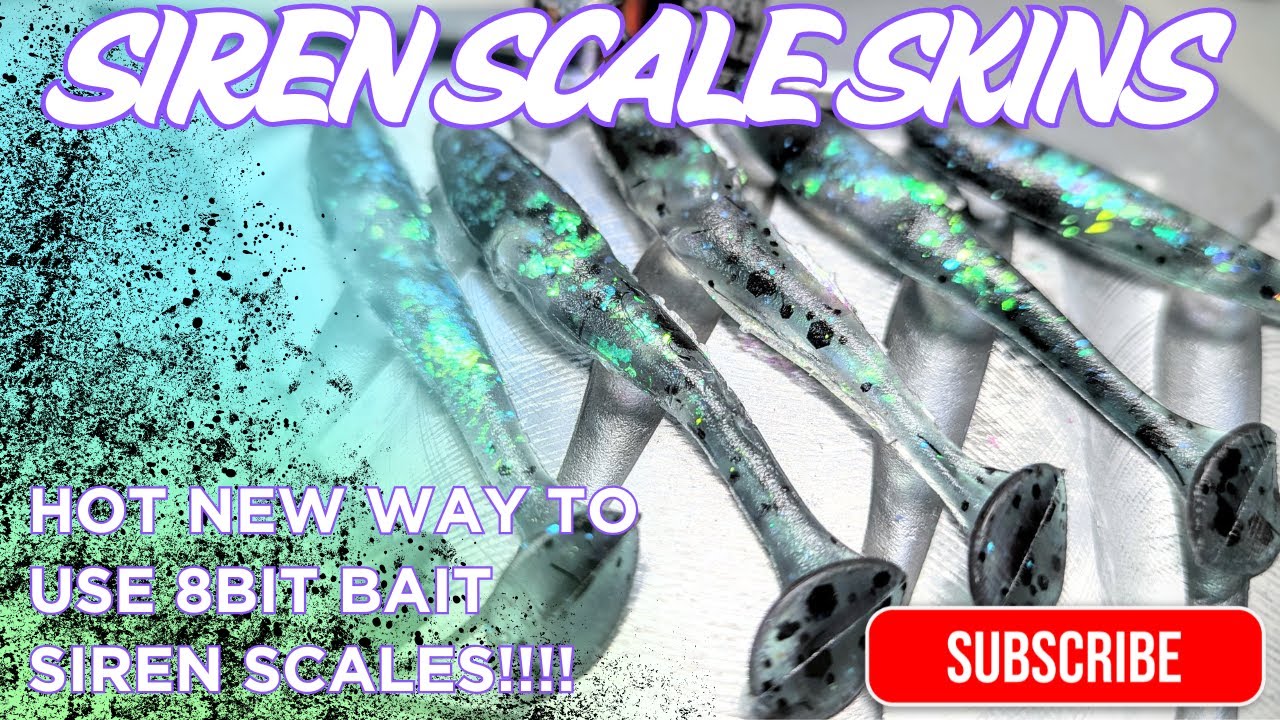
To bring the bait to life, I added .008 black flake for subtle contrast. This fine flake breaks up the brightness just enough to create a more natural, speckled appearance while still keeping the bait highly visible. Then I incorporated Barlow’s Whisker Glitter for a “peppering” effect. This adds micro-texture and visual dimension, giving the bait that realistic, scaled look when light hits it underwater.
For added flash and attraction, I mixed in .040 Sensi Flake from Dead On Plastix. The larger flake pieces create intermittent flash — not overpowering, but enough to mimic the glint of baitfish scales. When these baits move through the water, the combination of fine peppering and larger flake produces a dynamic shimmer that can trigger reaction strikes.
Throughout the video, I walk you through the entire pouring process — from heating plastisol to proper temperature control, mixing colorants evenly, incorporating flake without clumping, and achieving consistent pours in aluminum molds. I also share tips for avoiding common mistakes like overcooking plastisol, burning flake, or creating air pockets in thin tail sections.
One of the biggest keys to getting perfect tails on twister-style baits is managing temperature and pour speed. Too hot, and you risk excessive flashing or deformation. Too cool, and tails may not fully fill out. I demonstrate how to dial in that sweet spot so your baits come out clean, detailed, and ready to fish.
These aren’t just random colors thrown together — they’re inspired by patterns that have proven themselves at the highest levels of competitive bass fishing. Bright chartreuse-based baits have long been staples in stained water fisheries, and when paired with active tail designs, they create vibration and visibility that bass struggle to ignore.
Watch the full video, follow along, and start pouring your own fish-catching machines.
Повторяем попытку...

Доступные форматы для скачивания:
Скачать видео
-
Информация по загрузке: