12TH STREET RAG (BOWMAN, 1914)
Автор: Vincent M. Johnson
Загружено: 2024-10-26
Просмотров: 1868
Описание:
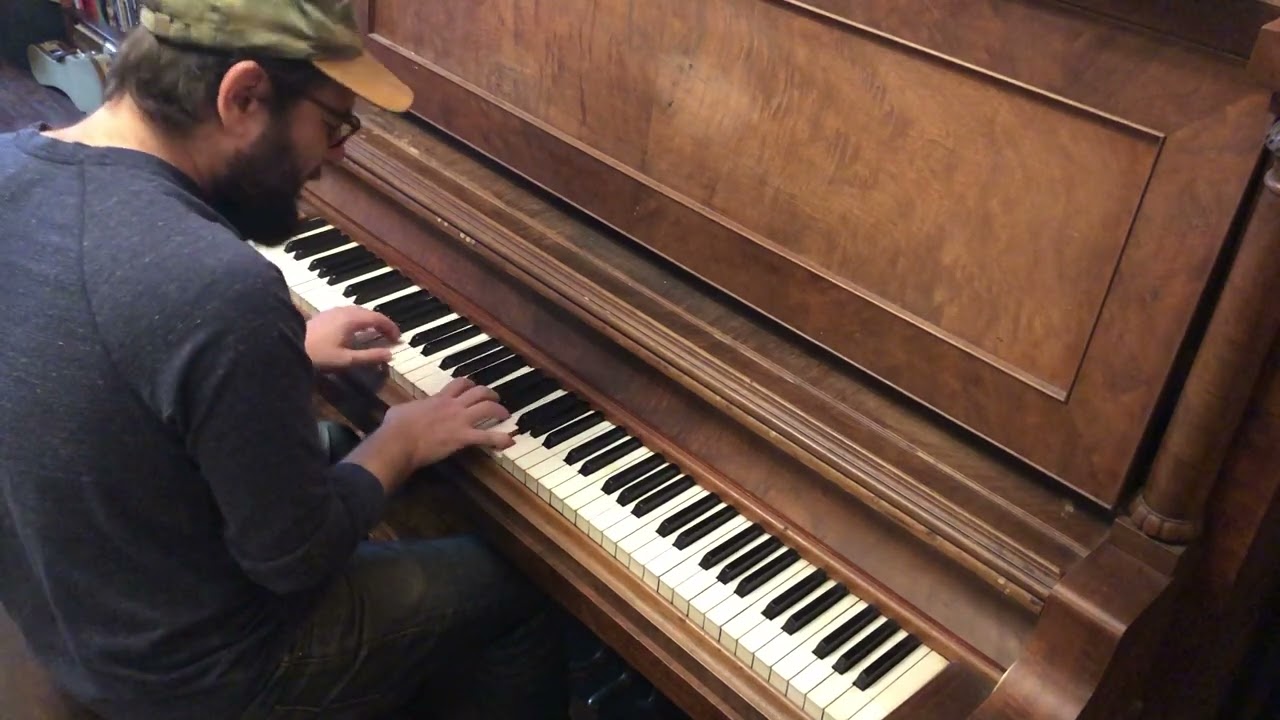
Hard to believe, but despite playing ragtime piano for nearly twenty years, I have never played Euday Bowman’s “12th Street Rag” before now – one of the most famous rags of all time!
Now, if a patron were to flash a Jackson or Grant and request it, this old monkey could manage something resembling those infamous three notes and three chords to syncopated satisfaction on life’s street organ. However, the days of the public knowing the name of this tune are largely behind us. Still, I’d bet that, one way or another, as many people have heard this tune as ever.
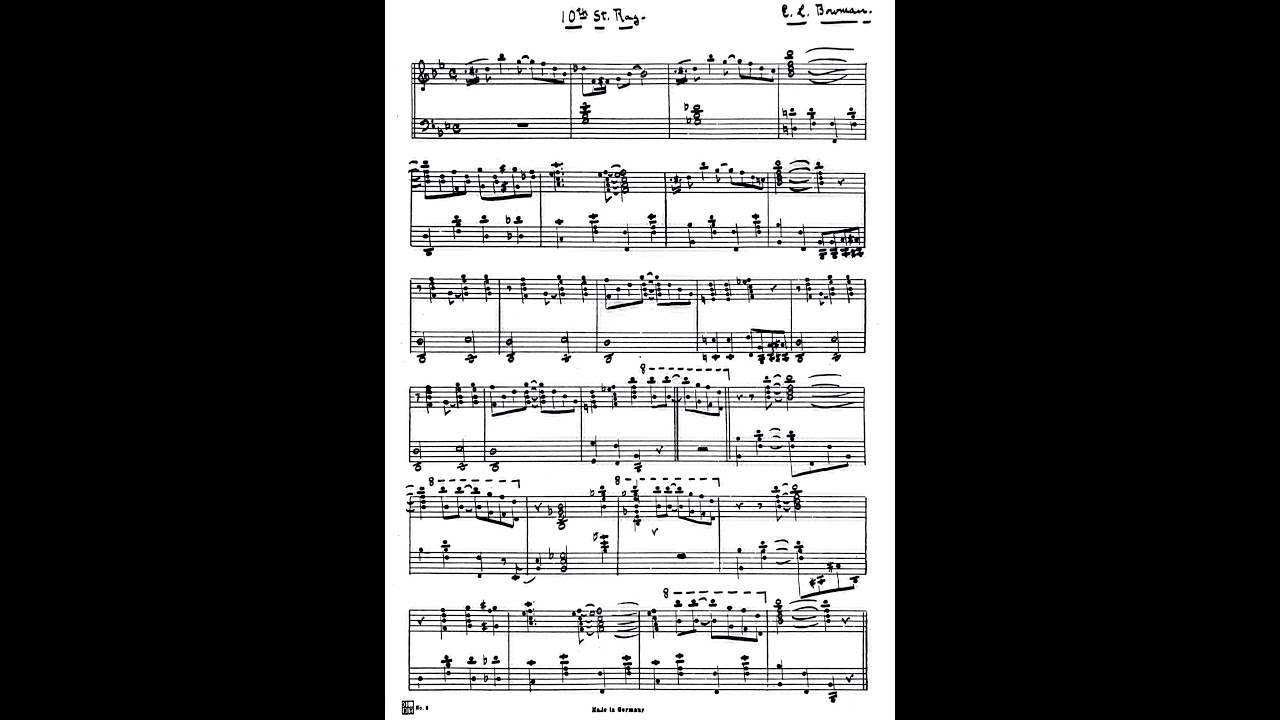
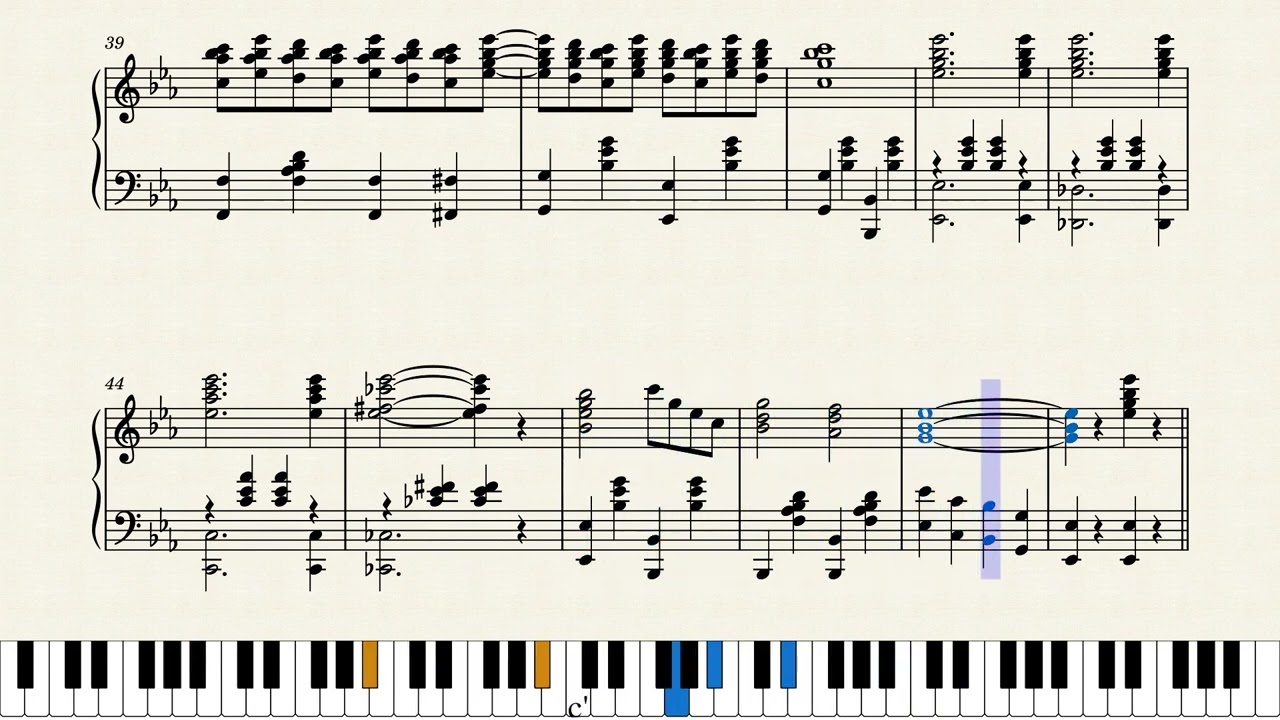
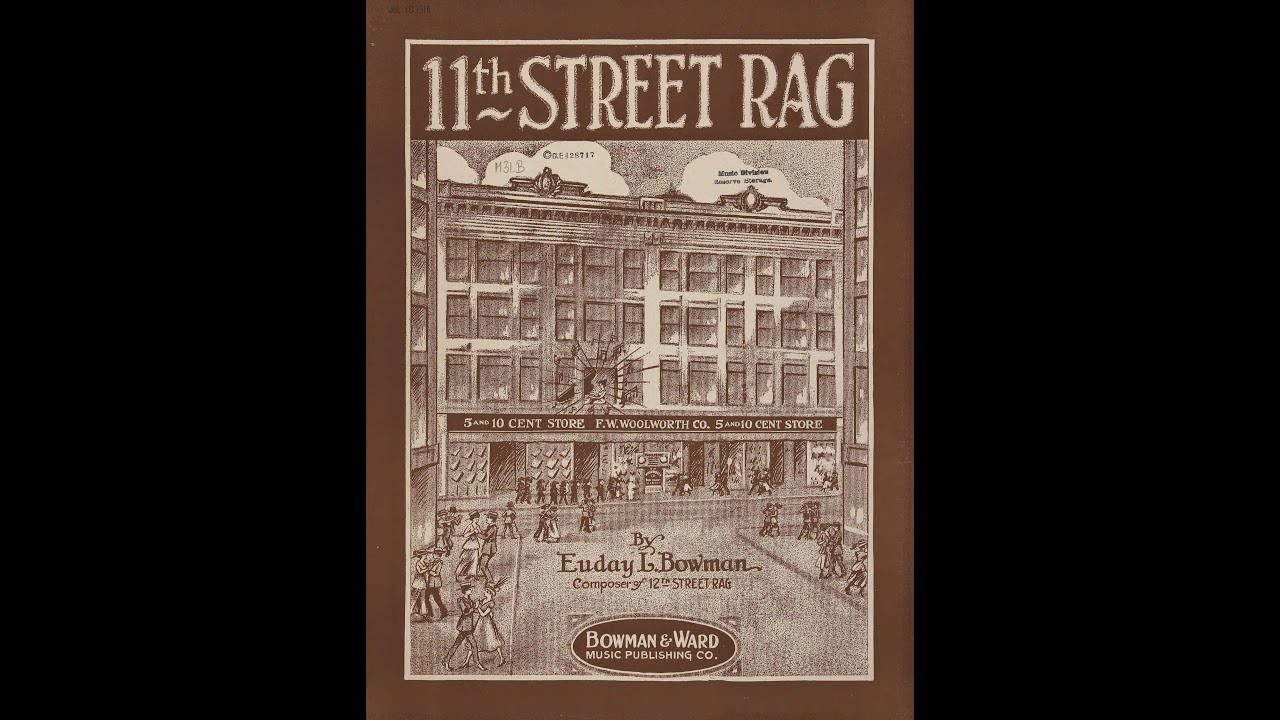
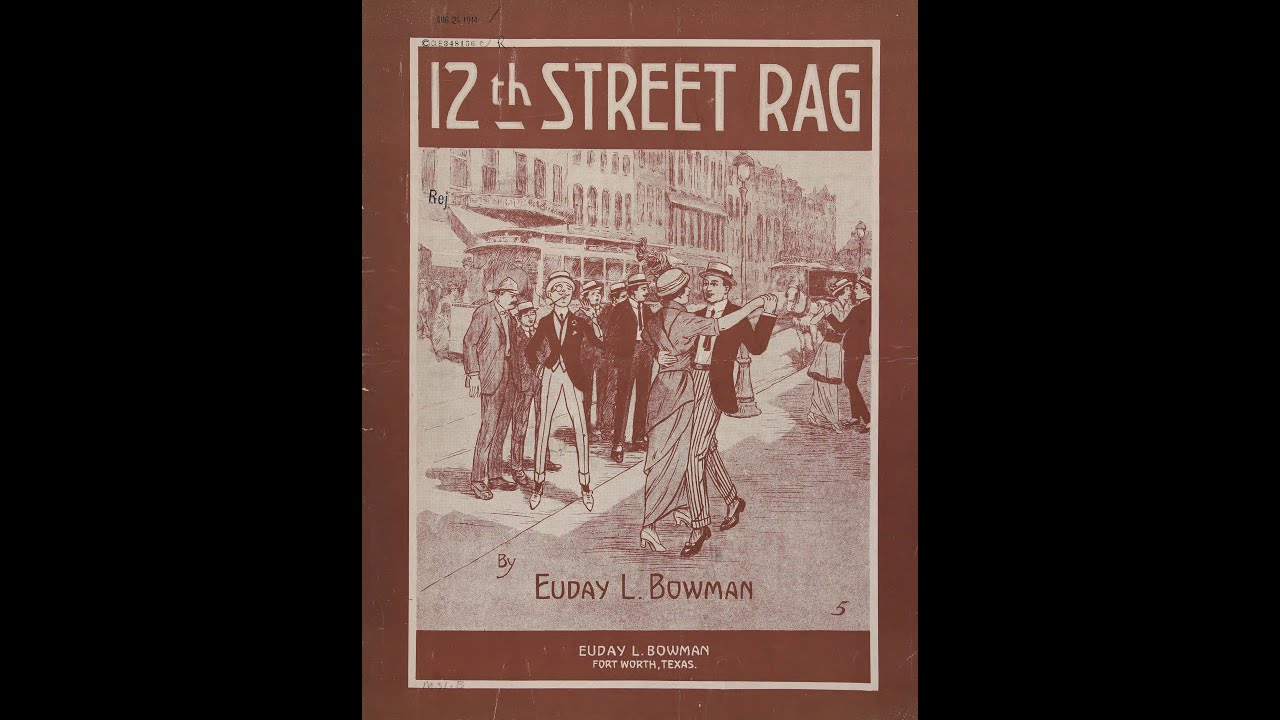
One of the things that becomes apparent upon trying to learn the “12th Street Rag” is the large gap between the original 1910s scoring and the public perception of how the piece is supposed to go. There also notable gaps between the at least three different arrangements published during the 1910s – and none of these much resemble Bowman’s own 1940s playing of the tune. The first edition of this rag was so poorly notated that the last theme was impossible to play as written. All of these different notations and perceptions make it difficult to settle on a good approach to this piece. My performance here stitches together much of the different source material and sew it together into something cohesive and close to the spirit of the scores. Frankly, it might have been easier to just forget the score altogether and work the different patterns into something in my own style. This seems to be the traditional way I’ve heard most pianists play the 12th Street Rag – as a malleable vehicle for their own pianistics rather than a formally notated composition.
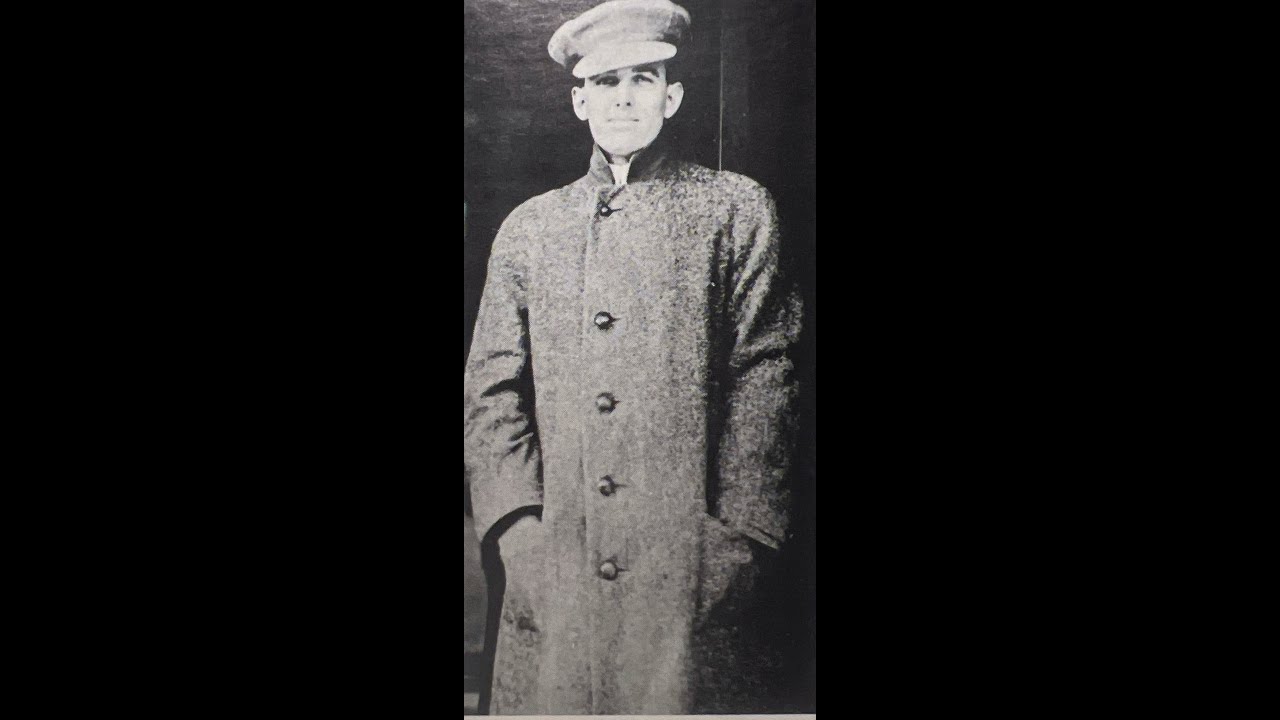
In “Gems of Texas Ragtime”, Dick Zimmerman gives us the legend of the 12th Street rag –
‘When eleven or twelve he [Bowman] was trying to make a living in Kansas City as a fledgling ragtime pianist. There on 12th Street, in the heart of the restaurant and theater district he heard a friend say that he was going to open a pawn shop. Bowman replied that if his friend could make money with three balls (which hung over the entrance), he could make money out of three notes on the piano.’
Our friend, the late ragtimer Frank Himpsl, had a different theory of the piece altogether – that it was stolen wholesale from Robert Bircher’s “The Candy Rag.” When one sees the score to that 1909 piece – it makes a rather compelling case for Frank’s theory. Bear in mind that “12th Street Rag” was first copyrighted and published in 1914…
Regardless of its origin, it has had an enduring popularity since the late 1910s. It was popular with jazz bands in the 1920s, and in the 1948s, a recording by Pee Wee Hunt made a sensation. It’s arguable that the energy generated from this recording fed the success of “They All Played Ragtime” by Rudi Blesh and Harriet Janis, and the cultural repercussions of this book fed the 1970s ragtime revival and here we are today. The butterfly effect…
Today, younger audiences throughout the world are often familiar with this piece through its use in the animated show “SpongeBob Squarepants” – which features a Hawaiian guitar arrangement of the famous three note theme. That show celebrates its 25th anniversary this year!
Повторяем попытку...
Доступные форматы для скачивания:
Скачать видео
-
Информация по загрузке: