Skulls, Angels & Ancient Graves | St Cuthbert's Kirkyard in Edinburgh
Автор: Peter McCabe's Memorable Memorials
Загружено: 2026-02-11
Просмотров: 54
Описание:
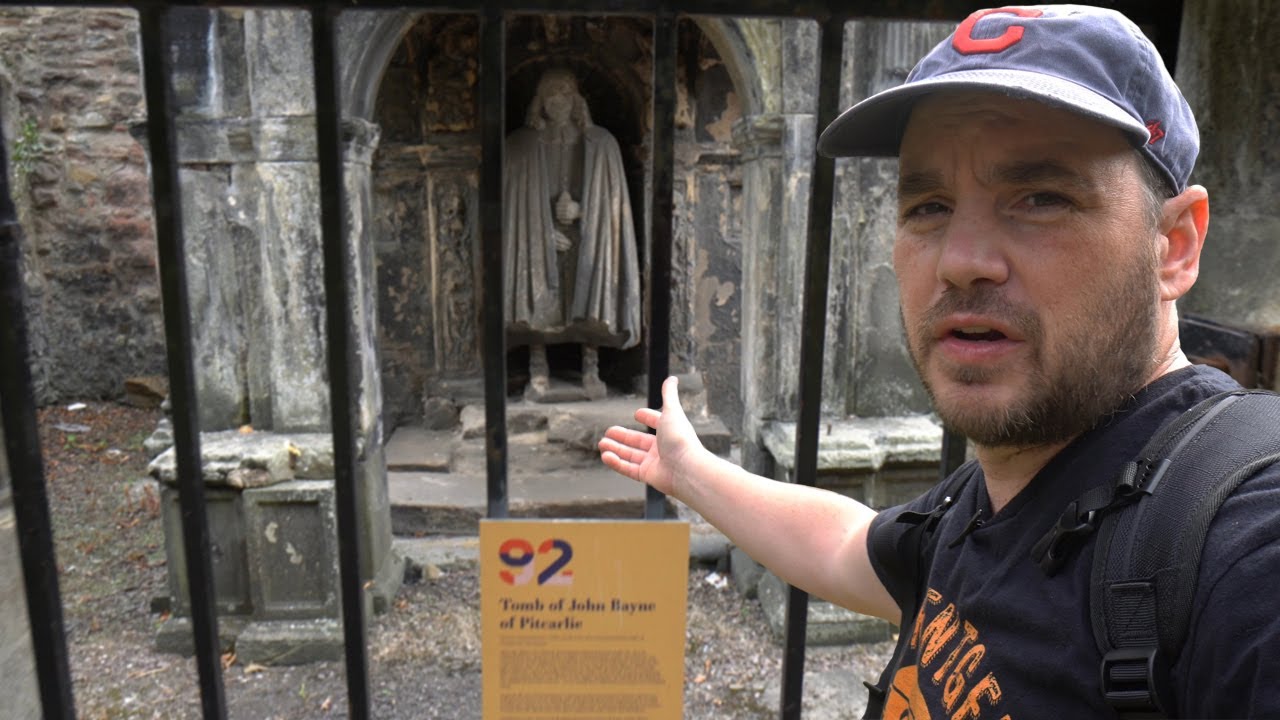
St Cuthbert’s Kirkyard is one of Edinburgh’s oldest and most atmospheric burial grounds, lying at the western end of Princes Street Gardens in the looming shadow of Edinburgh Castle. While often overshadowed by Greyfriars, St Cuthbert’s is arguably richer in historical depth, funerary symbolism, and connections to the early development of the city.
The site has been associated with burial since at least the early medieval period. Tradition holds that a church dedicated to St Cuthbert stood here as early as the 7th century, possibly linked to followers of the Northumbrian saint who carried his relics through the region. Although the present St Cuthbert’s Church dates largely from the late 18th century, the kirkyard preserves layers of Edinburgh’s past stretching back hundreds of years.
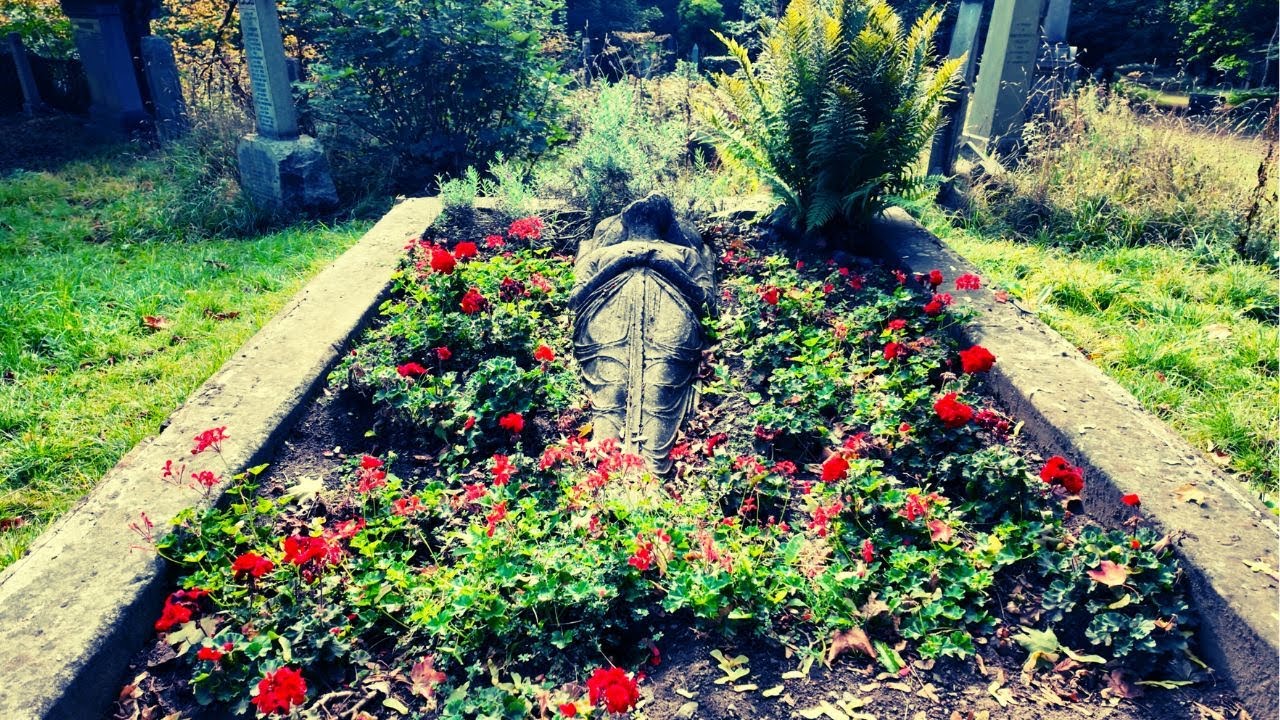
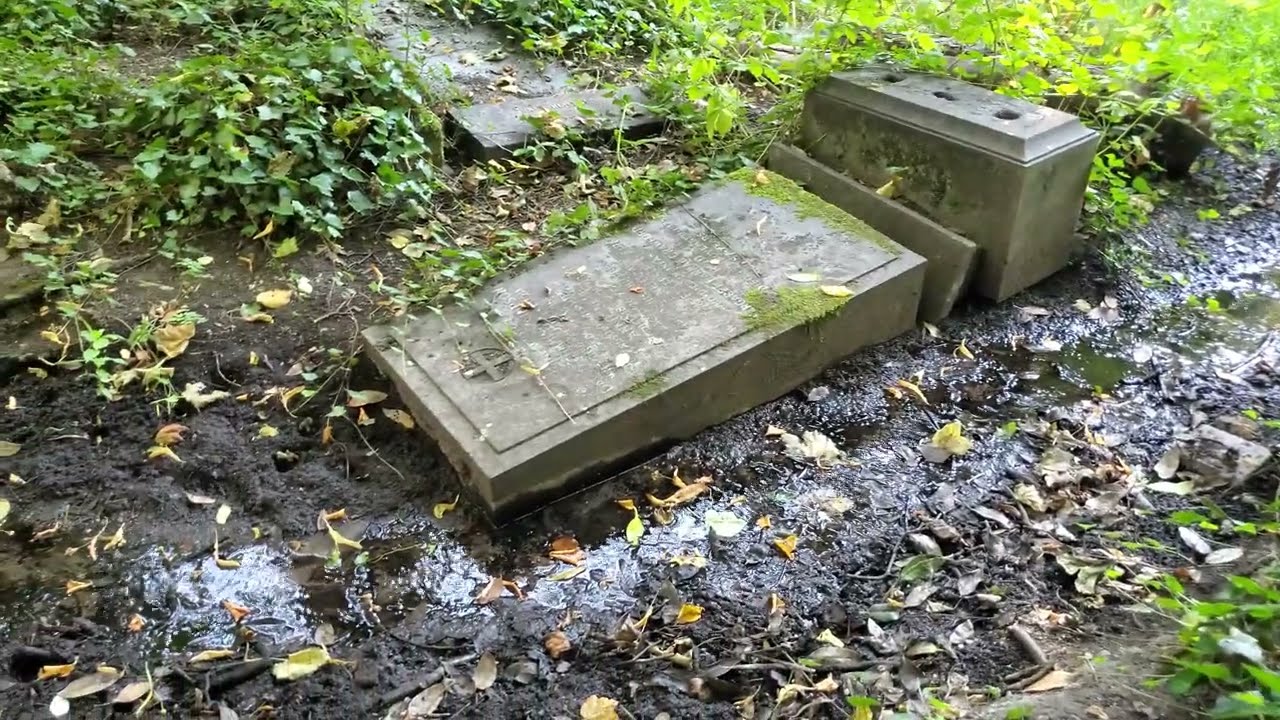
One of the most striking features of St Cuthbert’s Kirkyard is its exceptional collection of 17th- and 18th-century gravestones carved with memento mori imagery. Skulls, crossbones, hourglasses, coffins, and crowns dominate the older stones, serving as stark reminders of mortality. These symbols, often referred to as “death’s heads,” reflect a period when death was an ever-present reality and religious belief emphasised the shortness of earthly life. The concentration and quality of these carvings make the kirkyard one of the most important sites in Scotland for the study of early modern funerary art.
Although local legend sometimes associates the skull motifs with sailors, merchants, or even privateers, particularly given Edinburgh’s trading links, the imagery was not usually occupational. Instead, it conveyed a universal message: all lives end, regardless of wealth or status. Crowns often appear alongside skulls, symbolising victory over death through salvation, while hourglasses remind the viewer that time is constantly slipping away.
Among those buried at St Cuthbert’s are figures who played significant roles in Edinburgh’s civic, intellectual, and architectural life. One of the most notable is John Napier of Merchiston, the mathematician best known as the inventor of logarithms. Napier’s work revolutionised mathematics and navigation, and although the exact location of his grave is uncertain, he is traditionally believed to be buried within the kirkyard.
Another important name associated with St Cuthbert’s is James Skene of Rubislaw, a lawyer and antiquarian, and a close friend of Sir Walter Scott. Skene was a key figure in preserving Scotland’s historical traditions during the early 19th century, and his interests reflected the growing Romantic fascination with the nation’s past.
The kirkyard also contains the graves of several architects responsible for shaping Edinburgh’s urban landscape. Notably, James Gillespie Graham, a prolific architect of the 19th century, is buried here. Graham worked extensively on churches and country houses across Scotland and was involved in remodelling parts of St Cuthbert’s Church itself. His burial within the kirkyard highlights the close connection between the site and the architectural history of the city.
Beyond famous individuals, St Cuthbert’s tells the story of ordinary Edinburgh residents: tradesmen, merchants, soldiers, and families whose lives were shaped by plague, religious upheaval, and political change. During the 17th century, the kirkyard expanded rapidly as Edinburgh’s population grew and as conflicts such as the Wars of the Three Kingdoms and later Jacobite unrest left their mark on the city.
The setting of St Cuthbert’s Kirkyard is as significant as those interred within it. Nestled in a natural hollow beneath Castle Rock, the burial ground was once separated from the medieval Old Town, reinforcing its role as a liminal space between the living city and the dead. Today, surrounded by gardens and modern Edinburgh, it offers a rare sense of calm and continuity.
St Cuthbert’s Kirkyard is not merely a graveyard but a visual record of how Edinburgh’s people understood life, death, faith, and memory. Through its richly carved stones and the individuals buried there, it provides an intimate connection to the city’s past and remains one of Edinburgh’s most rewarding yet often overlooked historic sites.
Повторяем попытку...

Доступные форматы для скачивания:
Скачать видео
-
Информация по загрузке: