A Brief History of Sumer | Human Voiced, No Ads
Автор: ASMR Historian
Загружено: 2025-05-29
Просмотров: 41485
Описание:
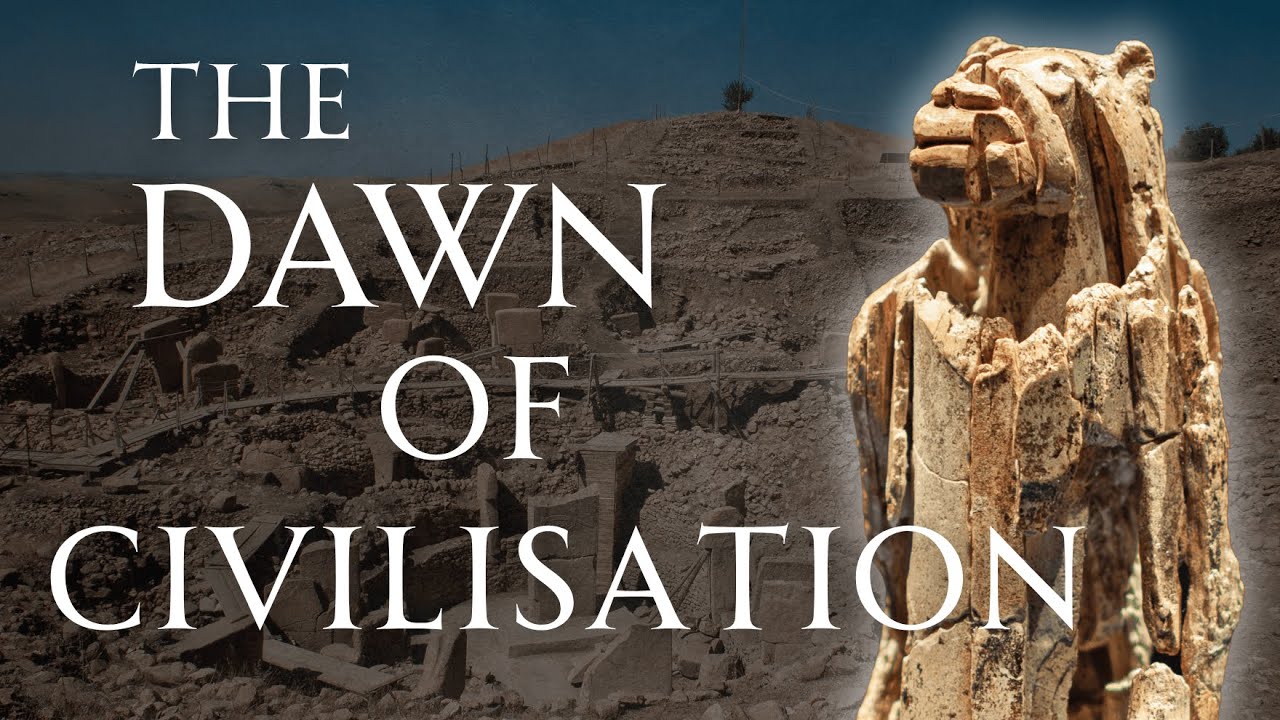
00:00:00 Introduction and Welcome
00:02:42 Pre-Bronze Age Foundations
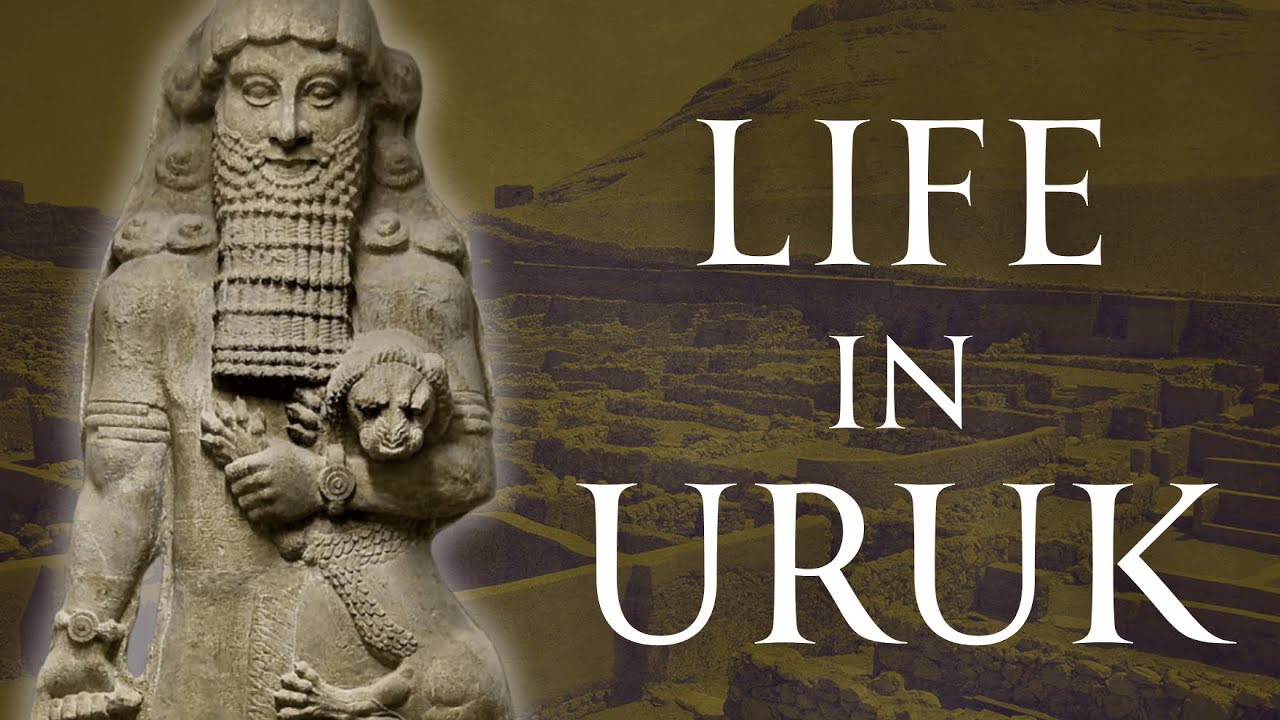
00:09:36 Dawn of Urban Civilization (c. 4000–3000 BCE)
00:21:44 Kings, and Conflict (c. 2900–2330 BCE)
00:46:28 Sumer Subjugated by Empire (c. 2334–2154 BCE)
00:57:16 Gutian Interregnum and Sumerian Revival (c. 2150–2100 BCE)
01:03:09 Neo-Sumerian Renaissance (c. 2112–2004 BCE)
01:17:46 Legacy of Sumer
Join this channel to get access to perks:
/ @asmr_historian
Support the channel on Patreon:
/ asmrhistorian
Merch:
https://histmerch.shop/
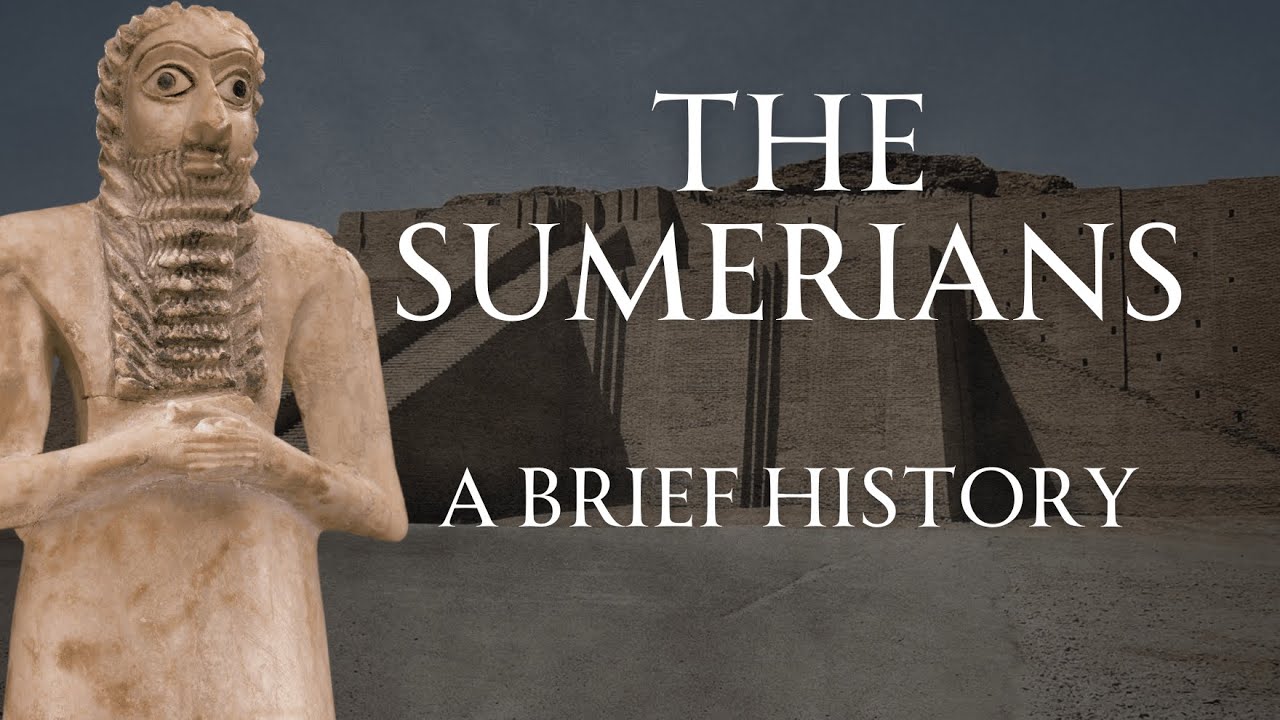
Emerging on the alluvial plains of southern Mesopotamia after 4000 BCE, Sumer grew from small Ubaid farming villages into the world’s first constellation of true city-states. By the mid-4th millennium (the Uruk period), vast temple complexes at Uruk, Eridu, and Nippur anchored society, directing irrigation works and long-distance trade in copper, timber, and lapis lazuli. Temple accountants, faced with tracking surpluses, pressed pictographic marks into clay—an administrative shortcut that evolved into cuneiform writing and opened an era of recorded history.
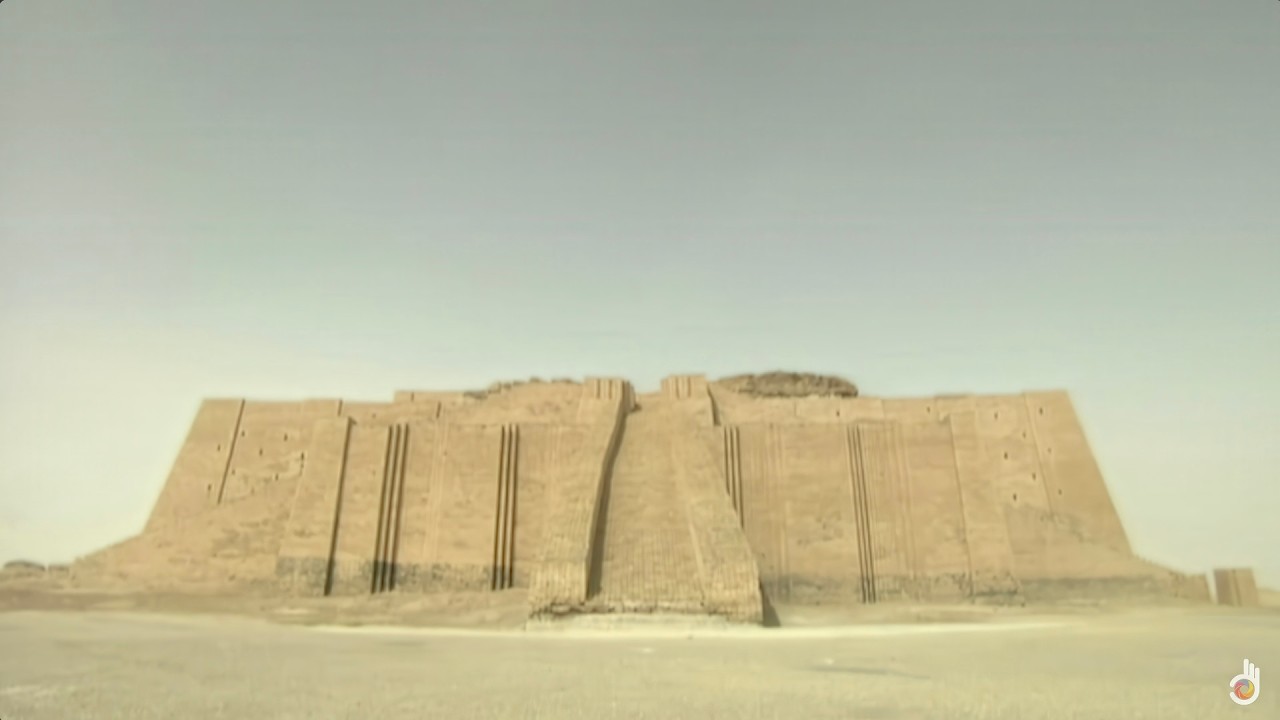
During the Early Dynastic period (c. 2900–2350 BCE), rival kingdoms led by warrior-priests (ensi) and later secular kings (lugal) contested the canals and trade routes that sustained the plain. Royal inscriptions, the Sumerian King List, and poems such as the Epic of Gilgamesh reveal a culture that measured legitimacy by service to the gods, monumental ziggurats, and feats of canal engineering. Sumerian scribes codified mathematics (sexagesimal place-value), standardized weights, and left the oldest known law collection (the reforms of Urukagina). Their pantheon—An, Enlil, Enki, and Inanna foremost—shaped ritual life and influenced later Near-Eastern religions.
Imperial unification proved fleeting. Around 2334 BCE Sargon of Akkad absorbed Sumer into the first Semitic empire, but native traditions resurfaced with the Sumerian “renaissance” under the Third Dynasty of Ur (c. 2112–2004 BCE). Economic strain, Amorite incursions, and shifting river courses eventually fragmented the south; by the early 2nd millennium, Sumerian ceased as a spoken language, surviving only in scribal schools much as Latin later endured in medieval Europe. Even in decline, Sumer bequeathed cuneiform literacy, urban planning, and legal and mythic templates to Babylonia, Assyria, and, through them, to the broader ancient world.
Information sourced from Wiki, Gutenburg, JSTOR, primary and secondary sources. All information is congruent with archaeological and history evidence at the time of recording.
Повторяем попытку...
Доступные форматы для скачивания:
Скачать видео
-
Информация по загрузке: