Lactation
Автор: USMLE pass
Загружено: 2018-08-20
Просмотров: 76617
Описание:
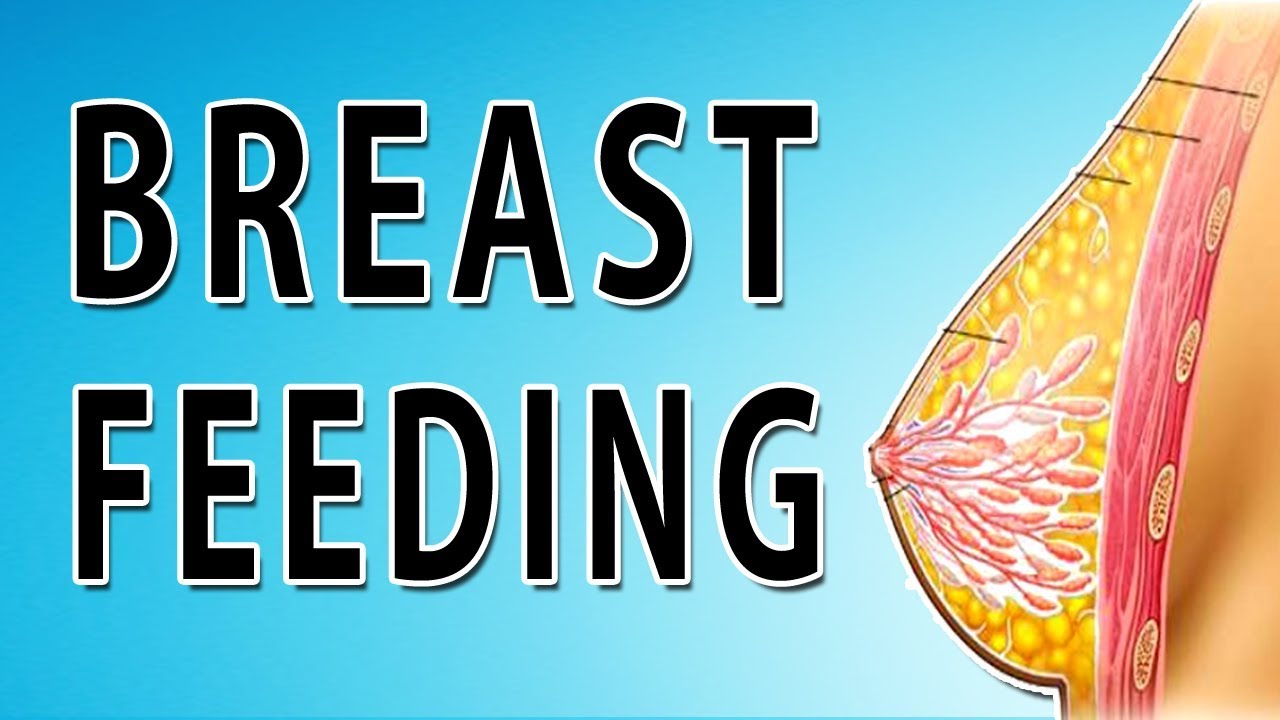
Lactation is the process of producing and secreting milk from the mammary glands, typically in the breasts of female mammals, to nourish their offspring. It is a vital physiological function that plays a crucial role in the early development and nutrition of newborns. Here are some key aspects of lactation:
1. Hormonal Control: Lactation is primarily regulated by hormones, including prolactin and oxytocin. Prolactin, produced by the pituitary gland, stimulates milk production in the mammary glands. Oxytocin, also released by the pituitary gland, causes the contraction of the muscle cells around the mammary glands, pushing milk into the milk ducts.
2. Stages of Lactation:
Lactogenesis I: This is the initial stage of milk production, beginning during pregnancy. Small amounts of milk are produced, but it is mostly colostrum, a highly nutritious fluid that provides essential antibodies to the newborn.
Lactogenesis II: This stage occurs a few days after childbirth when milk production increases significantly. It is characterized by a transition from colostrum to mature milk.
Lactogenesis III: This stage refers to the maintenance of milk production, which continues as long as there is demand (e.g., the baby's suckling).
3. Composition of Breast Milk: Breast milk is a dynamic fluid that changes in composition to meet the nutritional needs of the growing infant. It contains a balanced mix of nutrients, including proteins, fats, carbohydrates, vitamins, minerals, and antibodies, which provide optimal nutrition and protection against infections.
4. Benefits of Breastfeeding:
Nutritional Superiority: Breast milk is considered the gold standard for infant nutrition. It is perfectly tailored to the baby's needs and is easily digested.
Immunological Protection: Breast milk contains antibodies that help protect the infant from infections and diseases.
Bonding: Breastfeeding fosters a strong emotional bond between the mother and baby.
Convenience: It is readily available and at the right temperature, requiring no preparation.
5. Breastfeeding Challenges: While breastfeeding is natural, it can sometimes be challenging for both mothers and infants. Common issues include latching difficulties, nipple soreness, low milk supply, and engorgement. These issues can often be addressed with proper education, support, and sometimes medical intervention.
6. Duration of Lactation: The duration of breastfeeding varies among cultures and individuals. The World Health Organization recommends exclusive breastfeeding for the first six months of a baby's life, followed by continued breastfeeding alongside appropriate complementary foods for up to two years or more.
7. Weaning: Weaning is the process of gradually transitioning a baby from breast milk to other forms of nourishment. This process can vary widely and is influenced by cultural norms and individual choices.
8. Breast Pumping: In cases where direct breastfeeding is not possible or to facilitate milk production, breast pumps are used to express and collect breast milk. This expressed milk can be stored and fed to the baby later.
In summary, lactation is a complex physiological process that allows female mammals to nourish their offspring with the highly nutritious and protective fluid known as breast milk. It is a vital part of early infant development and provides numerous benefits to both mother and baby. Support and education are essential for successful breastfeeding, and the duration of breastfeeding can vary but is generally encouraged for as long as possible to promote the health and well-being of the infant.
Повторяем попытку...
Доступные форматы для скачивания:
Скачать видео
-
Информация по загрузке: